
The Amgen Scholars Program is an international program that gives undergraduate students hands-on lab experience, working for 2 months.
You’ll get the chance to research full-time on a project, meet like-minded students, and experience the wealth of scientific opportunity Melbourne offers. All costs are covered, including travel and accommodation, and Scholars receive a stipend to support them during their experience.
You will also get the opportunity to travel to Asia and join scholars from the University of Tokyo, Kyoto University, National University of Singapore, Tsinghua University and International Institute of Information Technology - Hyderabad for the Amgen Scholars Program Asia Symposium in August.
The University of Melbourne is proud to be the only university in Oceania to host the program.


Why Amgen Scholars?
The Amgen Scholars Program is a unique program, combining research experience with travel and an international community. Through the generous support of the Amgen Foundation, we’ve designed a program that provides a platform where you can explore your research interests and expand your skills, preparing you for a career in scientific research.
About the Program
Receive mentoring and support
Throughout the program, we provide personalised support in your lab, at college, and beyond. You’ll work closely with a mentor in your lab on a day-to-day basis. There’s also seminars, where you’ll hear from industry and academic leaders and alumni of the program, as well as tours and excursions.
Present at the Symposium
The Program concludes with the Symposium event, where Scholars present their research to the cohort and wider University of Melbourne community, and the research they have conducted. This includes a poster and a short presentation, preparing students for research conferences in their future careers.
Live at University College
You will be staying at the historic University College, on campus, free of charge. This includes all meals. Living at University College with your fellow Scholars means that you’ll be able to form a strong community both socially and intellectually.
Meet leading industry professionals
In addition to your research experience, you will have the opportunity to meet with leading industry professionals, attend seminars delivered by world-class researchers, and explore the wonderful city of Melbourne.

Meet Program Coordinator, Kapisha Patel
Kapisha has worked in the education sector for over 15 years, across Australia and New Zealand. She has been coordinating the Amgen Scholars Program since 2023 and provides a passionate, supportive and personalised approach to her work.
News
Got questions?
Please get in touch if you have questions about the Amgen Scholars Program.

Applications have now closed for the Amgen Scholars Program - Australia 2027.
To stay informed about our program, please sign up to our mailing list.
2027 Program Dates:
- ASP Australia - 3 January to 19 February 2027 (inclusive)
- ASP Asia Symposium - Early August (dates are TBC)
2028 Program Dates:
Program dates are being finalised and will be released at a later date.
Check your eligibility
To be eligible for the Amgen Scholars Program in Australia, you must:
- Be an undergraduate student enrolled in an accredited college or university from across Oceania – Australia, New Zealand or the Pacific.
- Have completed two years of an equivalent Australian Bachelor degree in a scientific field before the summer program begins, and at the end of the program have at least two semesters left of your undergraduate degree (i.e. to be eligible for the ASP 2028, you will have finished your second year at the end of 2027 and expect to graduate at the end of 2028).
You must also have:
- A weighted average mark (WAM) equivalent to 75% (GPA 3.2) or above in relevant 1st and 2nd year subjects; and
- Demonstrate academic excellence and leadership; and
- Have interest and enthusiasm for a research higher degree in a scientific field;
- OR, you are Indigenous and have a weighted average mark (WAM) equivalent to 55% or above in relevant 1st and 2nd year subjects.
Applicants experiencing financial or personal hardship are encouraged to apply. Students from linguistically diverse, rural, international or Indigenous backgrounds are also encouraged to apply. Such factors are taken into account when evaluating applications.
To apply, you will need the following information
- Current weighted average mark (WAM) or GPA.
- ID
- Passport (if an international student).
- Driver's licence (if a domestic student).
- Official academic transcript or statement of results.
- Referee recommendation.
- Application statement (limited to 500 words).
- Challenges you have encountered during your university education that may have impacted your ability to achieve high results/complete extracurricular experiences (optional statement).
- Your preferred top three research lab placements.
Frequently asked questions
-
Applications closed at 5:00PM (AEST) on Monday 31 August 2026. Late applications will not be considered.
To stay informed about our program, please sign up to our mailing list.
-
-
Please see here for research projects available for our 2027 program.
Please note, projects are subject to change. Research projects are available in a variety of fields, and change on a yearly basis depending on what is available.
-
No. Amgen Scholars must have at least one year (two semesters) remaining of their degree. If you have any questions about your eligibility, please contact amgen-scholars@unimelb.edu.au
-
No, you don’t need to be from the University of Melbourne, but to be eligible, you must be enrolled as a student at an accredited college or university from across Oceania – Australia, New Zealand or the Pacific. Foreign nationals need to have work and study rights in Australia to participate in this program.
-
Financial support is available to all students accepted to the Amgen Scholars Program. Financial support will cover travel, accommodation and associated costs and will be confirmed once successfully admitted to the program.
Amgen Scholars receive the following benefits:
- Stipend paid in two sums, up to $3600;
- All accommodation and meals provided at University College;
- Travel Costs including flights and public transport to and from campus;
- Additional Benefits include access to some athletic and recreational facilities, on campus activities, excursions to other scientific facilities, and a seminar/workshop series.
-
Yes. Students in any major may apply, although it is expected that most of the Amgen Scholars will have science, life science or engineering majors. Students are expected to have experience in a discipline appropriate to the research project they participate in, with approval from their research lab.
-
No. The Amgen Scholars Program encourages applications from both students experienced in research and newcomers to the field. We encourage applications from students attending universities where research opportunities are not available.
-
-
No. Students are invited to participate as an Amgen Scholar for one summer only. This ensures that the largest possible number of students get to experience the program.
Accommodation, pastoral care, dining and extracurricular activities are provided for the duration of the program at University College, located on College Crescent next to the University of Melbourne.
University College is one of Melbourne University’s more modern colleges, with large, bright and airy rooms, looking out to lush courtyards and gardens. There are also music rooms, a well-equipped library, tutorial rooms, and a grand dining hall. Scholars are provided with a private room for the duration of the program*.
The College is perfectly located, a quick tram ride away from the centre of Melbourne and a few minutes’ walk from the popular restaurants and shops of Lygon Street, Carlton.
Learn more about University College
Throughout the program, Amgen Scholars Program participants can use the wonderful facilities* University College has to offer while being close to their research laboratory. Fortnightly seminars are run throughout the program, facilitated at University College.
*Accommodation specifics are subject to availability and may change depending on suitability - updated 24/08/26.



Got questions about accommodation?
Please email your questions about accommodation and the facilities provided through University College to:
Explore 2027 research opportunities below to see the types of projects you could be working on.
In your online application, you will need to indicate your top three preferred projects you are applying for and why.
For general queries about the program, please email amgen-scholars@unimelb.edu.au
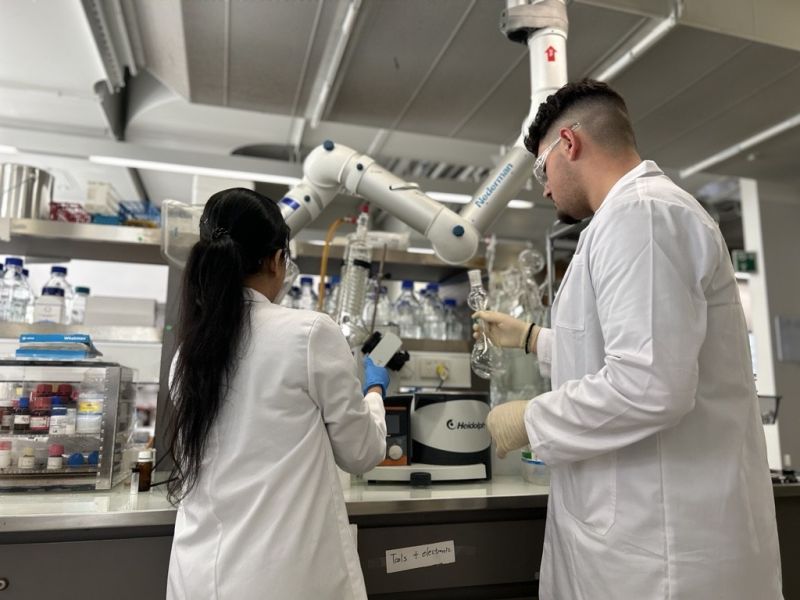
Research Project 1: Fungal Genetics
Research Area
Fungi are a large and diverse kingdom of life that play critical roles in ecosystems, are important for biotechnology and industry and serve as excellent models for studying how life works at the cellular and molecular level. Despite this, some fungi also have negative impacts. Fungal infections are a major health concern worldwide with increasing impacts on both immune-compromised and -competent individuals. Fungal infections are a major global health concern, affecting about 25% of the world’s population with mortality rates often higher than 50% and death rates over 1.5 million people a year. These organisms, and the mechanisms that regulate their ability to infect, are poorly understood. This continues to hamper our ability to control or cure fungal infections.
Research Project
The assigned Amgen Scholar will have a project within one of the areas currently investigated in the lab. These areas include:
- Genomic approaches to identifying and characterising genes important for infection.
- Dissecting the molecular and cellular aspects of host-pathogen interactions.
- Molecular genetic characterisation of transcriptional factors, and their circuits, controlling development.
- Epigenetic control of gene expression
Specific projects in these broad areas will be discussed to develop the final project. The work will involve molecular genetics, cell biology and molecular biology.
Lab Head
Prof. Alex Andrianopoulos
Andrianopoulos Laboratory – Fungal Genetics
Old Microbiology Building (Building 184), Level 3, Parkville Campus
alex.a@unimelb.edu.au
Research Project 2: The Impacts of Environmental Factors on Viability of the Pathogen that causes the Disease Chytridiomycosis
Research Area
Our research group explores the impacts of disease on declining amphibian populations - we specifically focus on the devastating fungal disease chytridiomycosis that is impacting amphibians worldwide. Here in Australia this disease is the primary cause of extinction to seven species, and the reason why at least nine species are considered endangered. One key research area is understanding how we can reduce disease effects in the wild to help protect our frogs.
Research Project
The Amgen Scholar will take on an independent research project that explores how environmental factors can reduce disease dynamics of the disease chytridiomycosis. This project will be lab based, focusing on how water quality parameters like heavy metals, pH and salt and even small micro predators like daphnia and seed shrimp can reduce viability of the fungal pathogen. Once we understand how the pathogen responds to the environment, we can use that information to help manage habitats and protect our frogs.
The scholar will learn skills in cell culture, viability assays and molecular techniques. This scholar will conduct an independent research project that will be part of a much larger research project involving several post graduate students. While the work is primarily lab-based, the scholar will have an opportunity to help with field work and animal husbandry and handling of vulnerable frogs if they are keen to get involved.
Lab Head
Dr. Laura Brannelly
Brannelly Laboratory – Amphibian Disease & Conservation Research
Veterinary School, Building 416, Werribee Campus
laura.brannelly@unimelb.edu.au
Research Project 3: Tracking Parasite Transmission Between Companion Animals and Humans
Research Area
Our research sits at the interface of veterinary science, human health, molecular diagnostics, genomics, and global health, with a strong focus on neglected and zoonotic parasitic diseases affecting communities in the Asia-Pacific region.
The Translational Research in Parasitology & NTDs lab aims to advance the control of zoonotic parasitic and vector-borne diseases affecting animals and humans within a One Health framework. Much of the group’s work focuses on diseases that disproportionately affect vulnerable populations, including Indigenous communities in the Asia-Pacific region. A key focus of this research is supporting neglected tropical disease control programmes in achieving their elimination goals, particularly for infections involving animal reservoirs that may compromise elimination efforts.
Research Project
The prospective Amgen Scholar would contribute to research aimed to identify the role of companion animals as reservoir for infection to humans in the Asia Pacific using novel metabarcoding sequencing techniques. The scholar would learn how to perform DNA extraction from faecal material, quantitative PCR analyses and estimation of infection burden. Parasite isolates would be subjected to metabarcoding through nanopore sequencing to infer transmission dynamics of parasites that cause neglected tropical diseases in the Asia Pacific.
Lab Head
Dr. Vito Colella
Translational Research in Neglected Tropical Diseases
Veterinary Preclinical Sciences (Building 400), Parkville Campus
vito.colella@unimelb.edu.au
Research Project 4: Restarting Hearts after Traumatic Blood Loss
Research Area
Our Translational Cardiology Centre leads research programs focused on different aspects of resuscitation after cardiac arrest, including clinical scenarios of cardiac arrest with or without associated trauma. Our key research questions involve better understanding the best approaches to resuscitating arrested hearts in different clinical scenarios.
Research Project
Approximately 1 in 20 cardiac arrests occurs as a result of traumatic blood loss. Restarting these hearts despite low circulating blood volume presents a significant clinical challenge. This project proposes to involve a scholar to participate in a preclinical study of haemorrhage-associated cardiac arrest, learn about the emergency management of traumatic cardiac arrest and resuscitation, and advance our understanding of how blood transfusion compares to normal saline infusion under controlled experimental conditions. The outcomes of this project will inform new approaches to testing and advancing new alternatives to blood and/or fluids in haemorrhage and resuscitation.
Lab Head
A/Prof. Daniel Donner
Translational Cardiology Centre
Baker Heart and Diabetes Institute - 75 Commercial Road, Melbourne VIC 3004
daniel.donner@baker.edu.au
Research Project 5: Gene-Environment Interactions Modulating Brain Function and Dysfunction
Research Area
We have discovered altered brain-body interactions, including the first evidence of gut dysbiosis (dysregulated microbiota) in Huntington’s disease, and a preclinical model of schizophrenia. Ongoing studies are exploring the gut microbiome as a therapeutic target and the possibility that specific environmental factors may modulate brain function via microbiota-gut-brain interactions.
In a parallel program of research, we have been exploring epigenetic inheritance via the paternal lineage. We have discovered the transgenerational effects of various paternal environmental exposures. We are investigating the relevance of these discoveries in mice to human transgenerational epigenetics and associated ‘epigenopathy’.
We use a variety of behavioural tools, including automated touchscreen tests of cognition, that are translatable to clinical tests. Cellular level of understanding is linked, in turn, to molecular mechanisms, including epigenetics, transcriptomics and proteomics.
Research Project
The Amgen Scholar will have the opportunity to become involved in one of our preclinical research projects. As the largest brain research centre in the Southern Hemisphere, the Florey offers unique access to cutting-edge technologies and world-class expertise at the forefront of international neuroscience. The Scholar will be embedded in a team of talented neuroscientists and will experience the excitement of being involved in novel neuroscience research that is innovative and impactful.
Lab Head
Prof. Anthony Hannan
Hannan Laboratory – Epigenetics and Neural Plasticity
The Florey, Kenneth Myer Building, Parkville Campus
anthony.hannan@florey.edu.au
Research Project 6: Metal-Organic Frameworks as Chiral Fluorescent Sensors
Research Area
Research in the Hua Group focuses on the design and synthesis of novel materials using Metal-Organic Frameworks for the next generation of technological devices and chemical sensors for detection of disease biomarkers.
Research Project
Chirality is intrinsic in biological systems and abnormal ratios of chiral metabolic molecules (e.g. amino acids and sugars) are promising biomarkers for disease diagnosis and prognosis. Currently, quantitative detection of these chiral molecules remains elusive. In our lab, we aim to apply our expertise in the synthesis of MOFs to create functional chemical sensors for facile detection of disease.
The Amgen Scholar will be directly involved in the chemical synthesis of new metal-organic frameworks and receive comprehensive training in characterisation techniques including NMR, fluorescence spectroscopy, thermal gravimetric analysis, powder X-ray diffraction and single-crystal X-ray diffraction.
This project will commence with a synthetic laboratory component, before characterising their MOFs and investigating their enantioselectivity. The Amgen Scholar will have the opportunity to perform single-crystal X-ray diffraction experiments at the Australian Synchrotron.
Lab Head
Dr. Carol Hua
Hua Laboratory
Chemistry Building - East Wing (Building 154), Laboratory 309, Parkville Campus
carol.hua@unimelb.edu.au
Research Project 7: Mechanism of Repeated Low-Level Red Light Treatment for Inherited Myopia
Research Area
We perform visual disease and treatment modelling in zebrafish, including for example our genetic myopic (short-sighted) mutants. A key question is how repeated low-level red light treatment used in human children actually affects eye growth and visual function, and whether specific changes (biomarkers) can act as early warning signs to predict adverse effects (such as temporarily blindness experienced by some human children), before they cause harm.
Research Project
Myopia (short-sightedness) is the most common visual impairment worldwide (predicted to affect >five billion people by 2050). There is no cure, and existing treatments can only slow, not reverse, progression. A promising new therapy, repeated low-level red light (RLRL), appears to slow myopia in children, yet its mechanisms and safety limits remain unclear, and a minority of treated children have experienced temporary vision loss.
Our laboratory, a leader in zebrafish models of genetic myopia, will use wild-type and myopic mutant fish to define how RLRL exposure patterns influence eye growth, visual function, retinal cell health and key molecular pathways, and to model overexposure to identify early biomarkers of harm.
The Amgen Scholar will receive hands-on training in zebrafish handling, experimental design, eye imaging, behavioural assays and basic molecular methods, working within a collaborative vision research team to generate clinically relevant data that guide safer myopia treatments.
Lab Head
Dr. Patricia Jusuf
Neural Development and Regeneration Laboratory
The Florey, Kenneth Myer Building, Parkville Campus
patricia.jusuf@unimelb.edu.au
Research Project 8: How do Enzymes Control Bacterial Metabolism?
Research Area
Our lab studies how enzymes regulate bacterial metabolism. We combine biochemistry, biophysical chemistry, structural biology and molecular biology to understand the molecular mechanisms that enable bacterial adaptation.
Research Project
The scholar will investigate how enzymes regulate metabolism in Mycobacterium tuberculosis (Mtb), the bacterium that causes tuberculosis (TB). TB is the world's deadliest infectious disease that affects a quarter of the world's population. One of the most remarkable features of Mtb is its ability to remodel its metabolism to persist within the host for extended periods (sometimes decades) and evade host immune response.
The project will investigate how key Mtb metabolic enzymes function, how they are regulated, and how these regulatory mechanisms allow Mtb to adapt to the challenging environments encountered during infection. The scholar will gain experience in recombinant protein expression and purification, enzyme kinetics, protein biochemistry and structural biology, and may also be exposed to metabolomics and computational analyses. Throughout the project, they will develop skills in experimental design, data analysis and scientific communication. The findings will advance our understanding of bacterial metabolism and may inform the development of new therapeutic strategies against TB.
Lab Head
Dr. Ivanhoe Leung
Amazing Enzyme Laboratory
Bio21 Institute, David Penington Building, Parkville Campus
ivanhoe.leung@unimelb.edu.au
Research Project 9: The Neuroscience of Brain Cancer
Research Area
The Palmer Laboratory studies the neural mechanisms underlying learning and memory, and how brain cancer disrupts these processes. To investigate this, we use advanced experimental approaches including two-photon calcium imaging, in vivo and in vitro patch-clamp electrophysiology, widefield calcium imaging, optogenetics, and behavioural paradigms.
Research Project
Brain cancer is one of the most devastating diseases. In Australia, almost 2,000 people are diagnosed with primary brain cancer (glioma) each year, yet survival has improved little over the past two decades. A major recent discovery revealed that glioma cells form functional synaptic connections with neurons, allowing neural activity to directly promote tumour growth. This neuron-glioma synapse has transformed our understanding of brain cancer and highlights the need for a neuroscience-based approach to developing new treatments.
The Palmer Laboratory at the Florey Institute investigates how neural activity influences glioma progression using patch-clamp electrophysiology, calcium imaging, and human brain tissue from patients with different grades of glioma. By uncovering how brain circuits interact with tumours, our research aims to identify new therapeutic targets. As an AMGEN Scholar, you will contribute to ongoing research while gaining hands-on experience in analysing electrophysiological and imaging data within a collaborative neuroscience research environment.
Lab Head
Prof. Lucy Palmer
Neural Networks Laboratory
The Florey, Kenneth Myer Building, Parkville Campus
lucy.palmer@florey.edu.au
Research Project 10: Engineering More Effective mRNA Delivery Systems Using Polymer-Lipid Hybrids
Research Area
The Functional Materials Group develops polymer-based nanoparticles that respond to changes in their biological environment, enabling the targeted delivery of therapeutic molecules such as nucleic acids and proteins while protecting them from degradation. By precisely controlling when and where these nanoparticles release their cargo, our research aims to improve the effectiveness, precision, and safety of next-generation medicines for the treatment of a wide range of diseases.
Research Project
Nucleic acid therapies, such as mRNA, have enormous potential to treat disease by changing how cells function. However, these molecules are fragile and rapidly break down in the body, making it difficult to deliver them to their target. Stimuli-responsive nanoparticles provide a promising solution because they can protect therapeutic cargo, avoid detection by the immune system, target specific cells, and release their cargo in response to biological signals. Lipid nanoparticles (LNPs) have successfully been used to deliver mRNA in COVID-19 vaccines, but developing new lipid building blocks can be challenging. In contrast, polymers are highly versatile and can be readily tailored to achieve specific functions.
In this project, you will develop new hybrid nanoparticle delivery systems by incorporating stimuli-responsive polymers into LNP formulations. You will investigate how these polymers influence nanoparticle self-assembly, cargo loading, and delivery to cells using a range of materials science and biological characterisation techniques. Through this project, you will gain hands-on experience in polymer synthesis, nanoparticle fabrication, and advanced characterisation methods while working in collaboration with researchers studying the biological performance of these delivery systems.
Lab Head
Prof. Georgina Such
Functional Materials Laboratory
Chemistry Building, Level 3, Parkville Campus
gsuch@unimelb.edu.au
Research Project 11: Biofunctional Plant Protein Fibrils for Biomedical Applications
Research Area
Our research group develops sustainable protein-based biomaterials for a wide array of applications. A major area of research is the self-assembly of plant proteins into nanostructured materials, aiming to create novel biomaterials with applications in drug delivery, tissue engineering, wound healing, and next-generation biomimetic foods.
Research Project
The research project investigates the formation and characterisation of plant protein nanofibrils with versatile physicochemical properties.
The rising global population is driving up the demand for sustainable, high-quality proteins. The industry is also seeking for innovation to transform proteins into value-added products. This project investigates the self-assembly of a model plant protein into nanofibrils to develop sustainable biomaterials with tunable properties. The project explores how different processing conditions influence protein fibril formation, morphology, and functional properties.
The project involves various techniques, including fluorescence spectroscopy, dynamic light scattering, circular dichroism spectroscopy, electron microscopy, rheology, and simulated biological stability assessments. The Amgen Scholar will be directly involved in experimental planning, data collection and analysis, and presentation of research findings.
The project outcomes will contribute to ongoing efforts to engineer plant proteins into functional nanomaterials with potential biomedical applications.
Lab Head
Prof. Chibuike Udenigwe
Protein Research Group
Old Microbiology - Building 184, Ground Level, Parkville Campus
chibuike.udenigwe@unimelb.edu.au
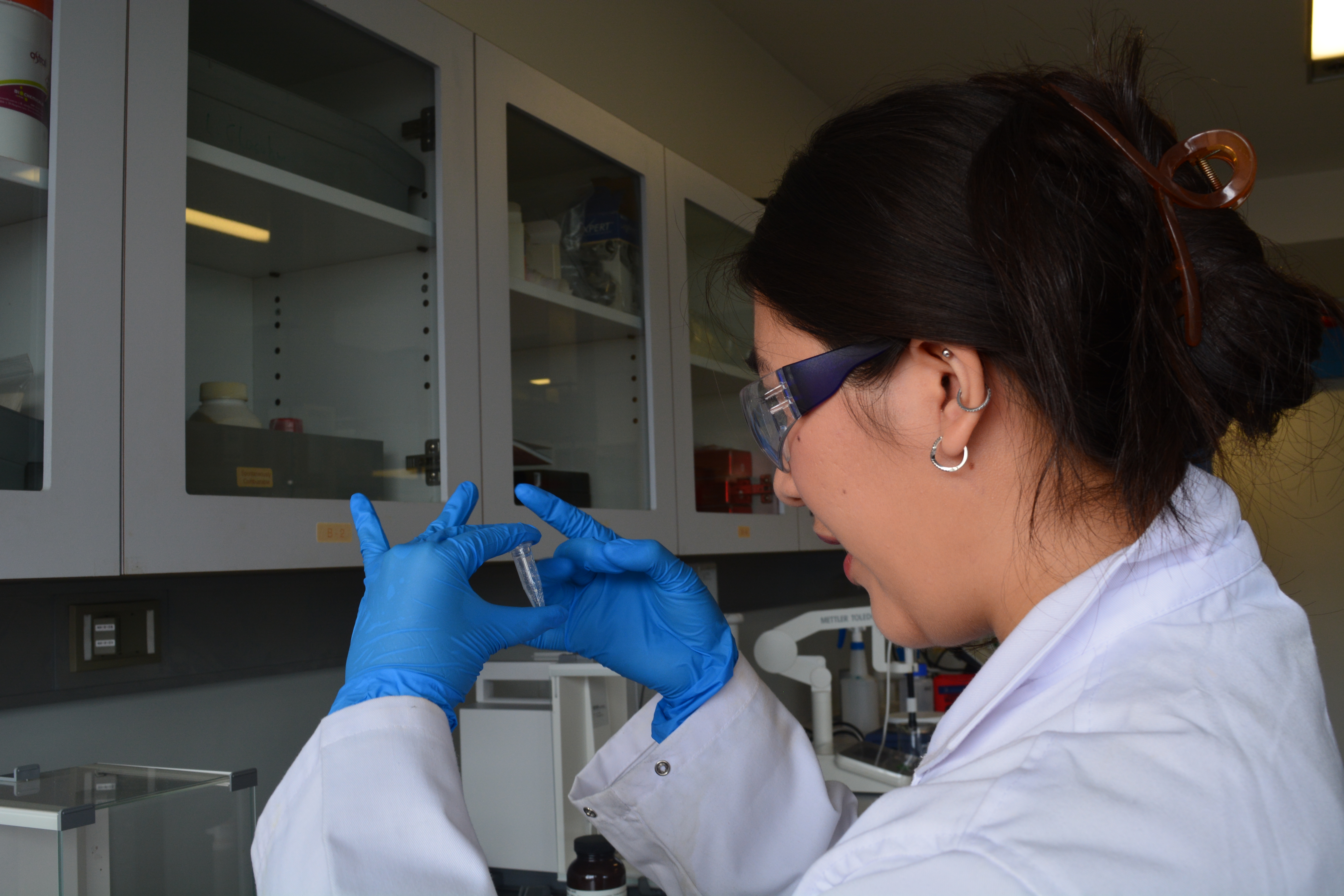
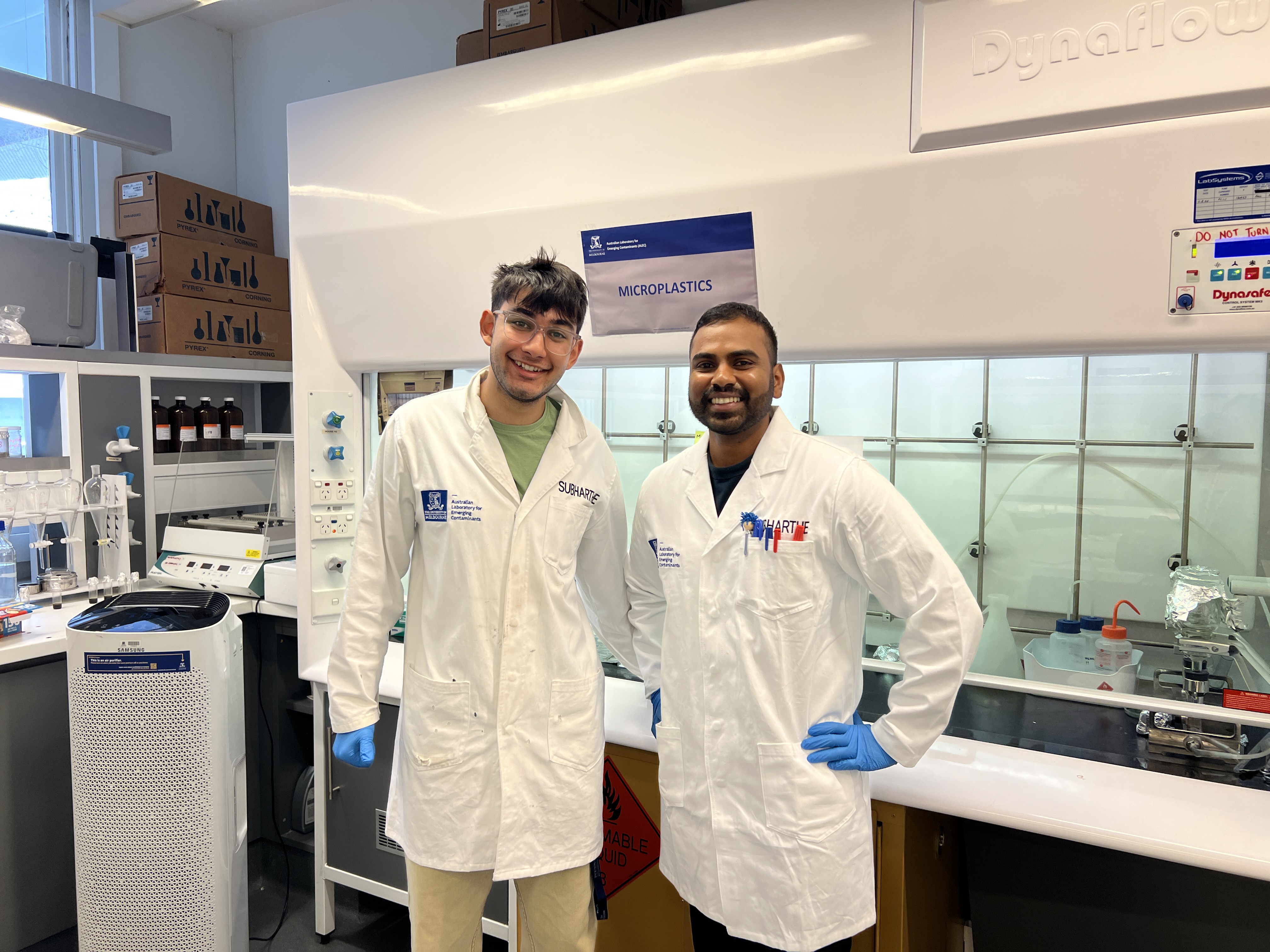
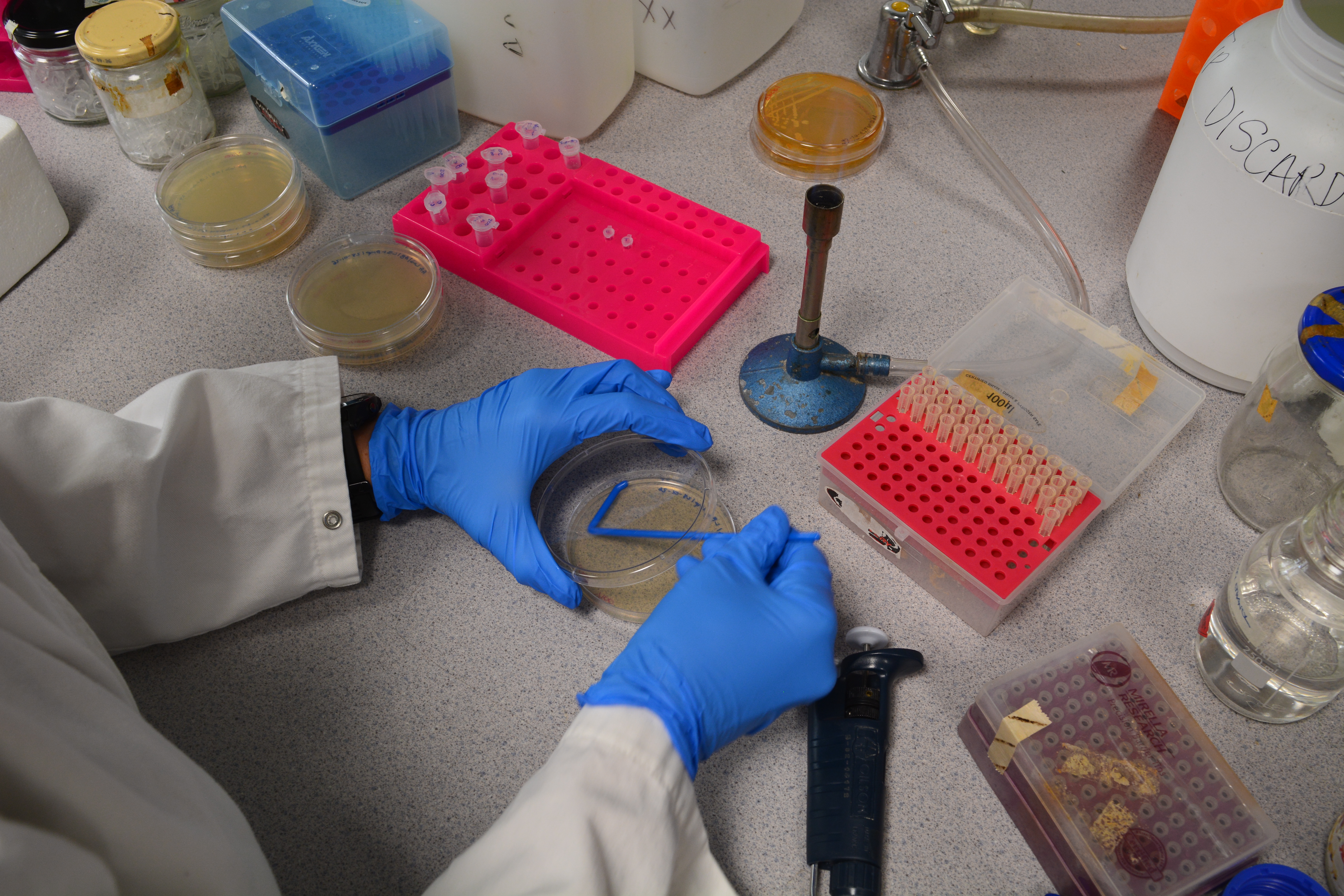
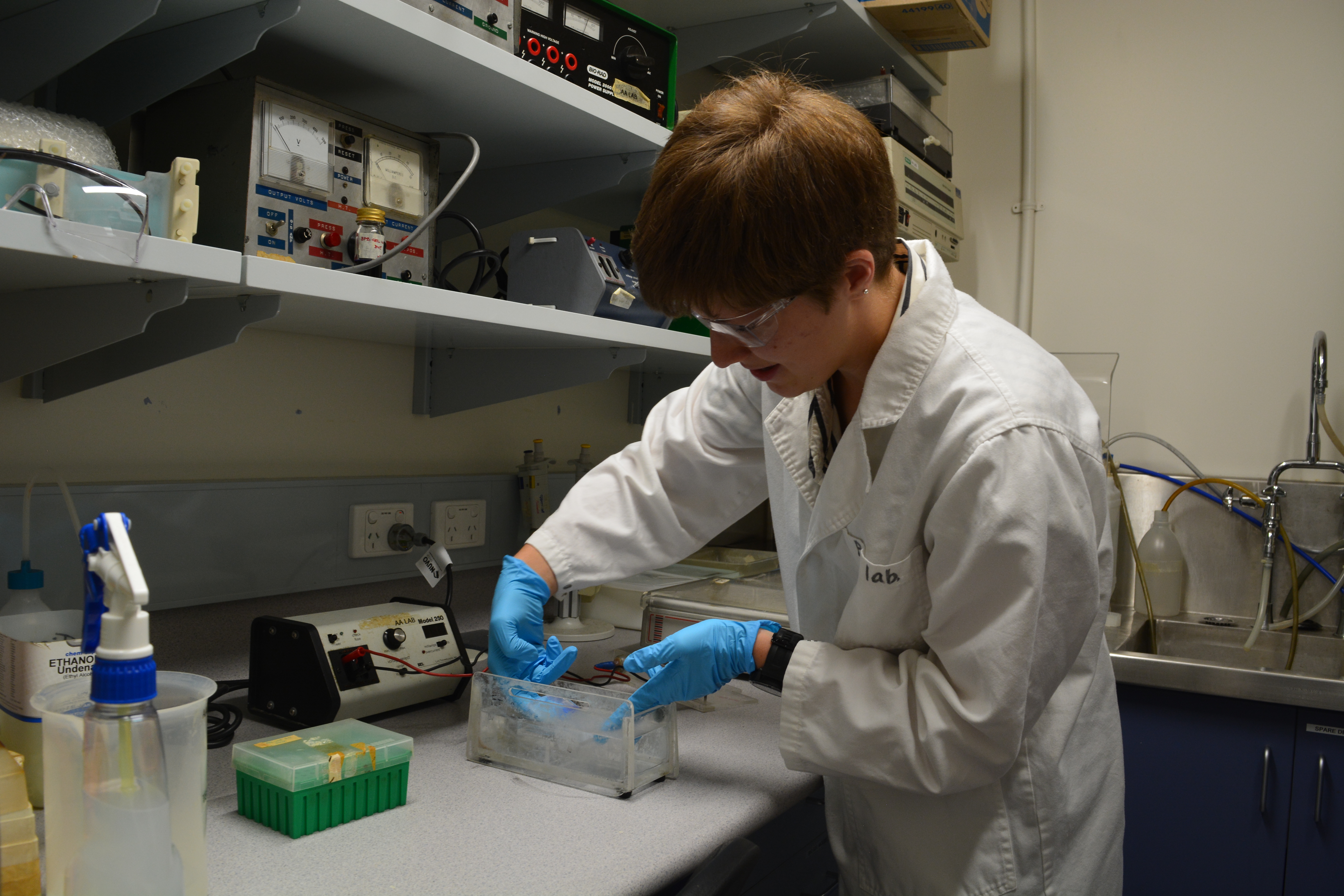
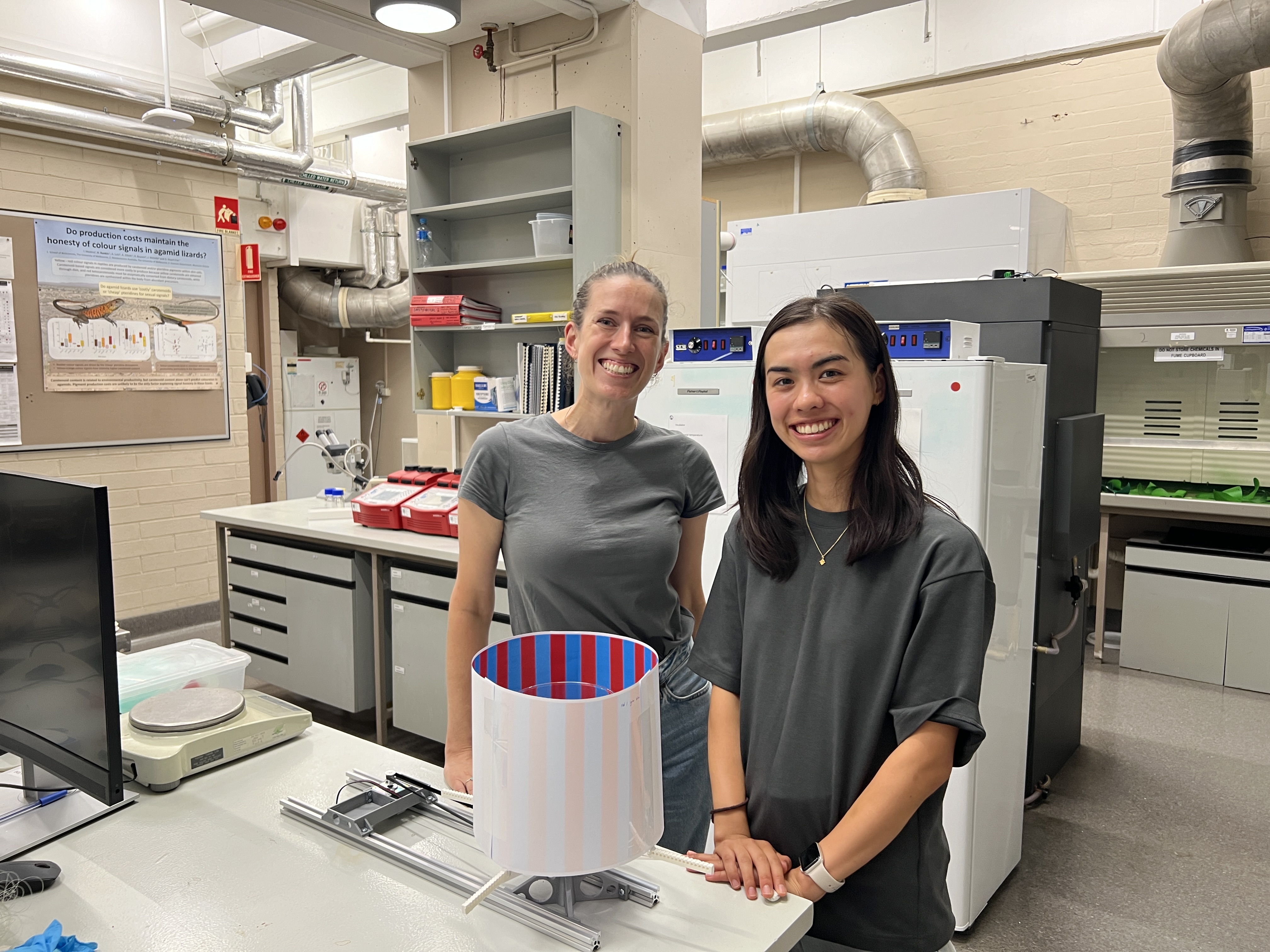
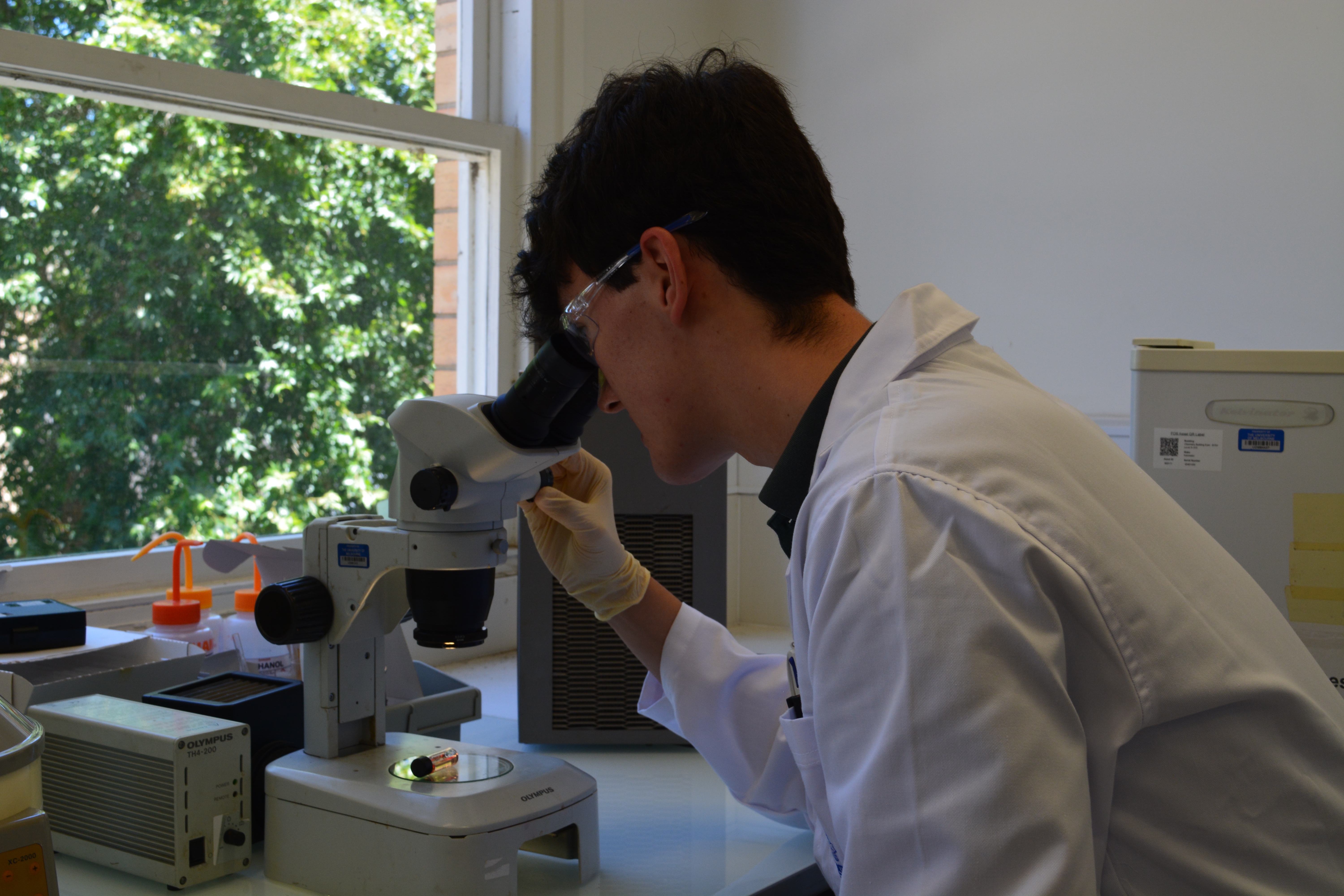
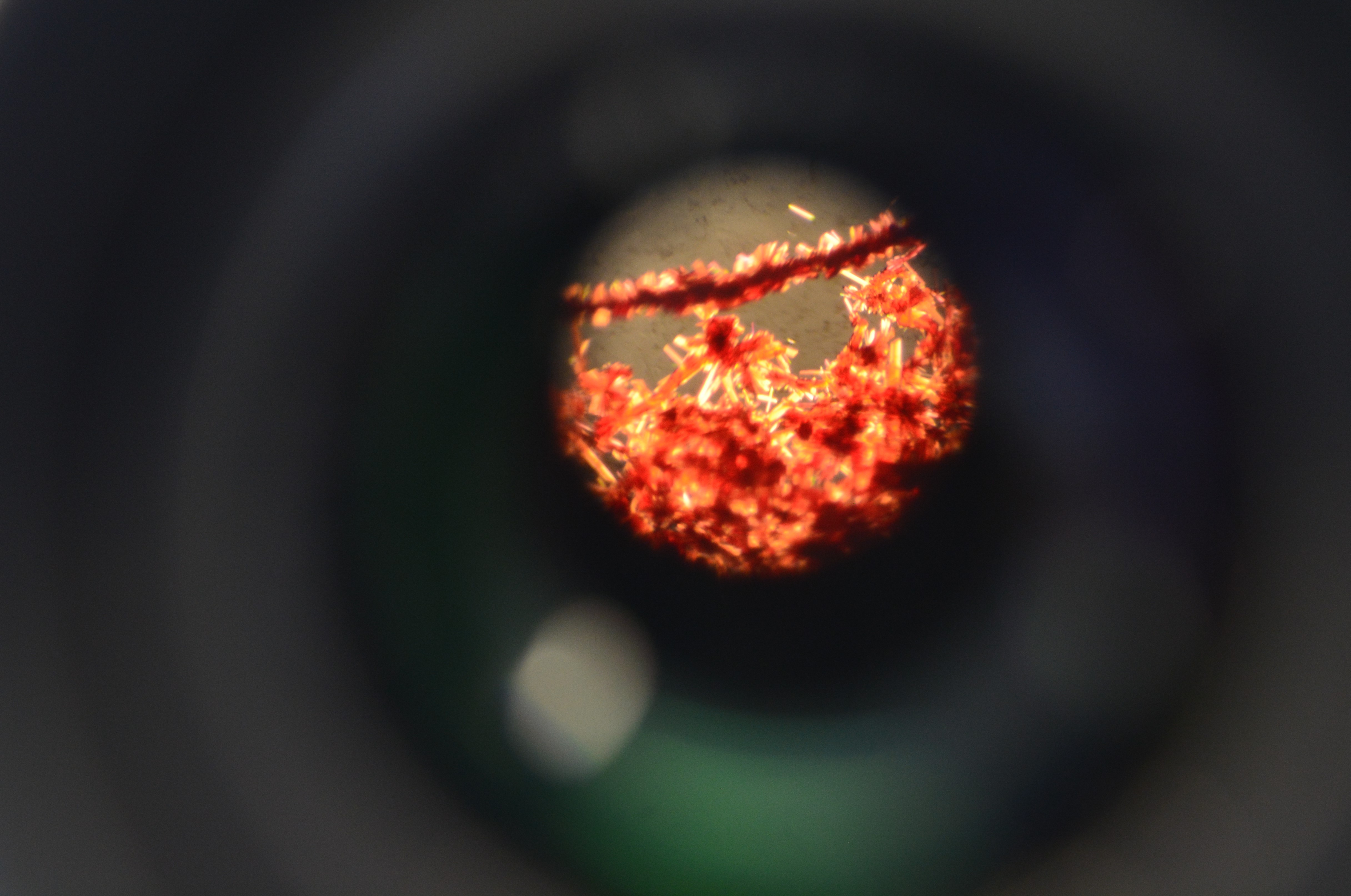
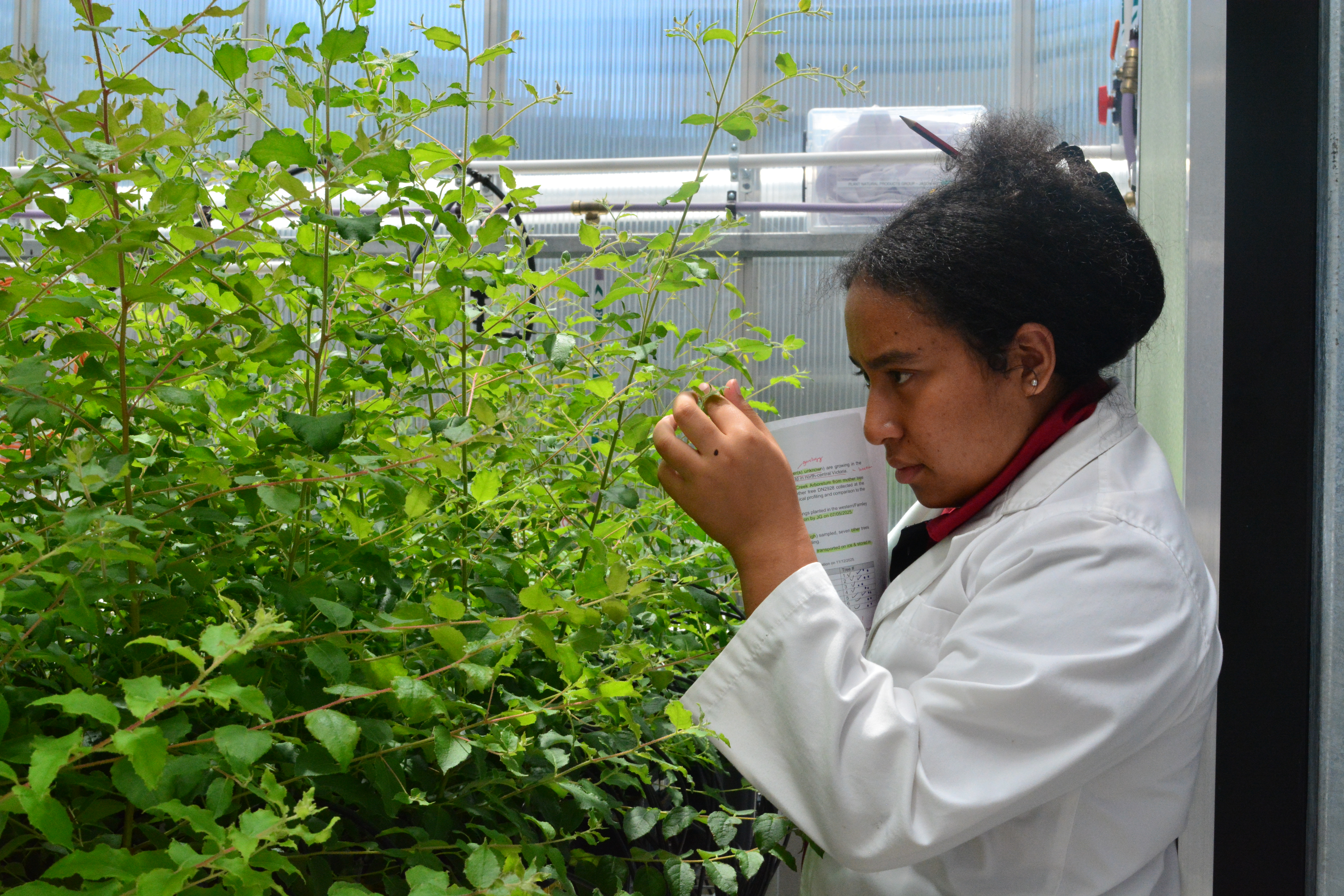
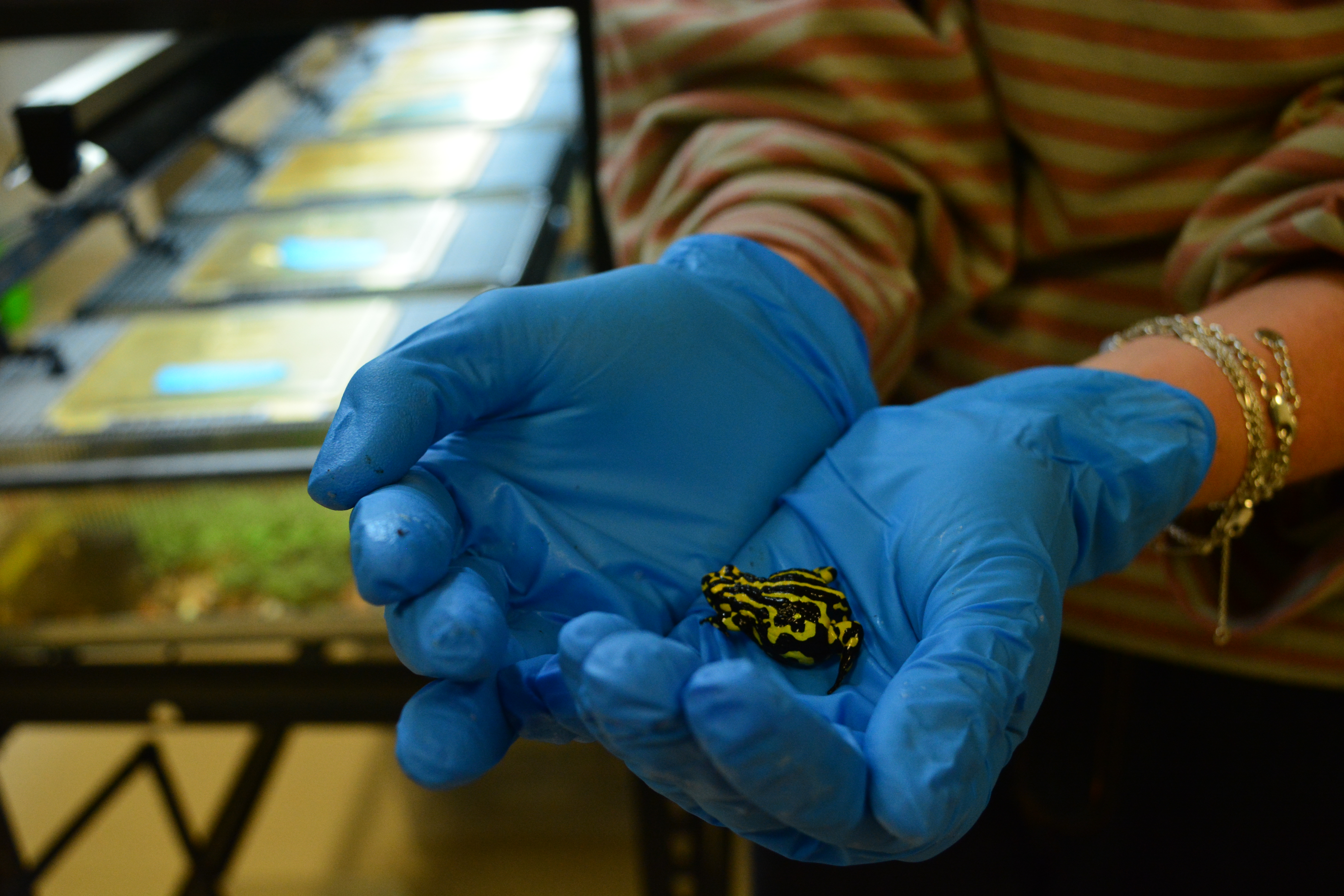
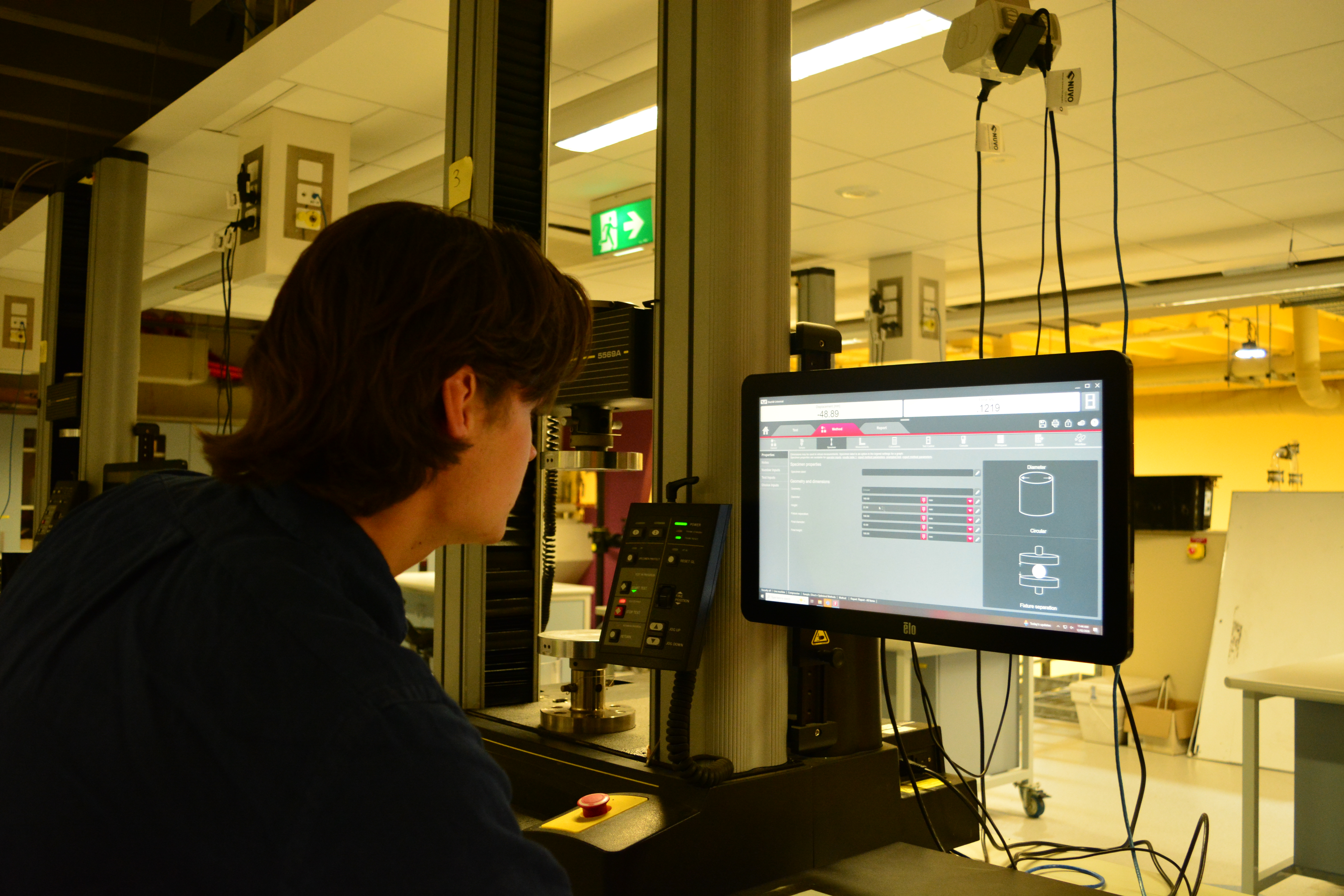
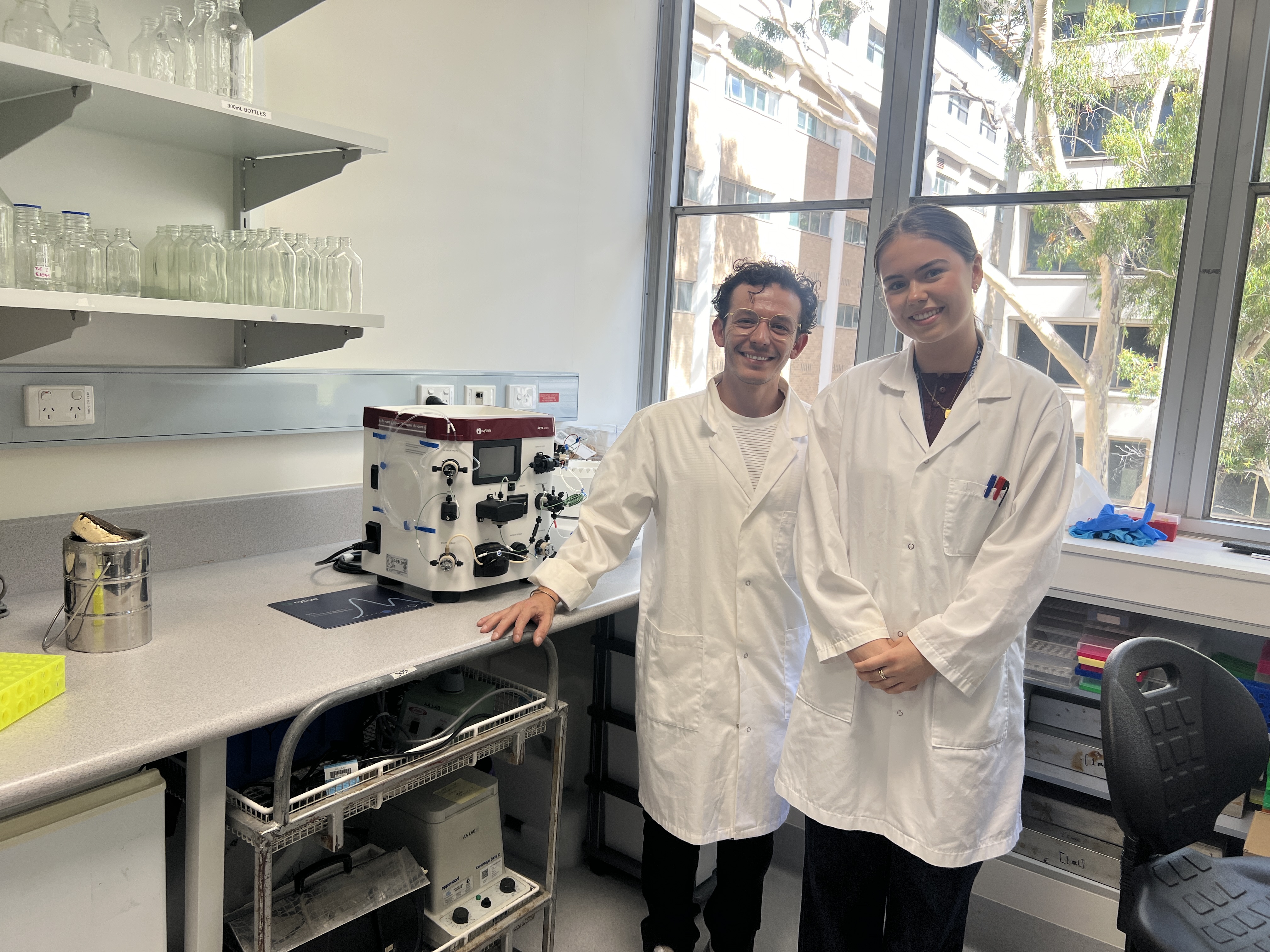
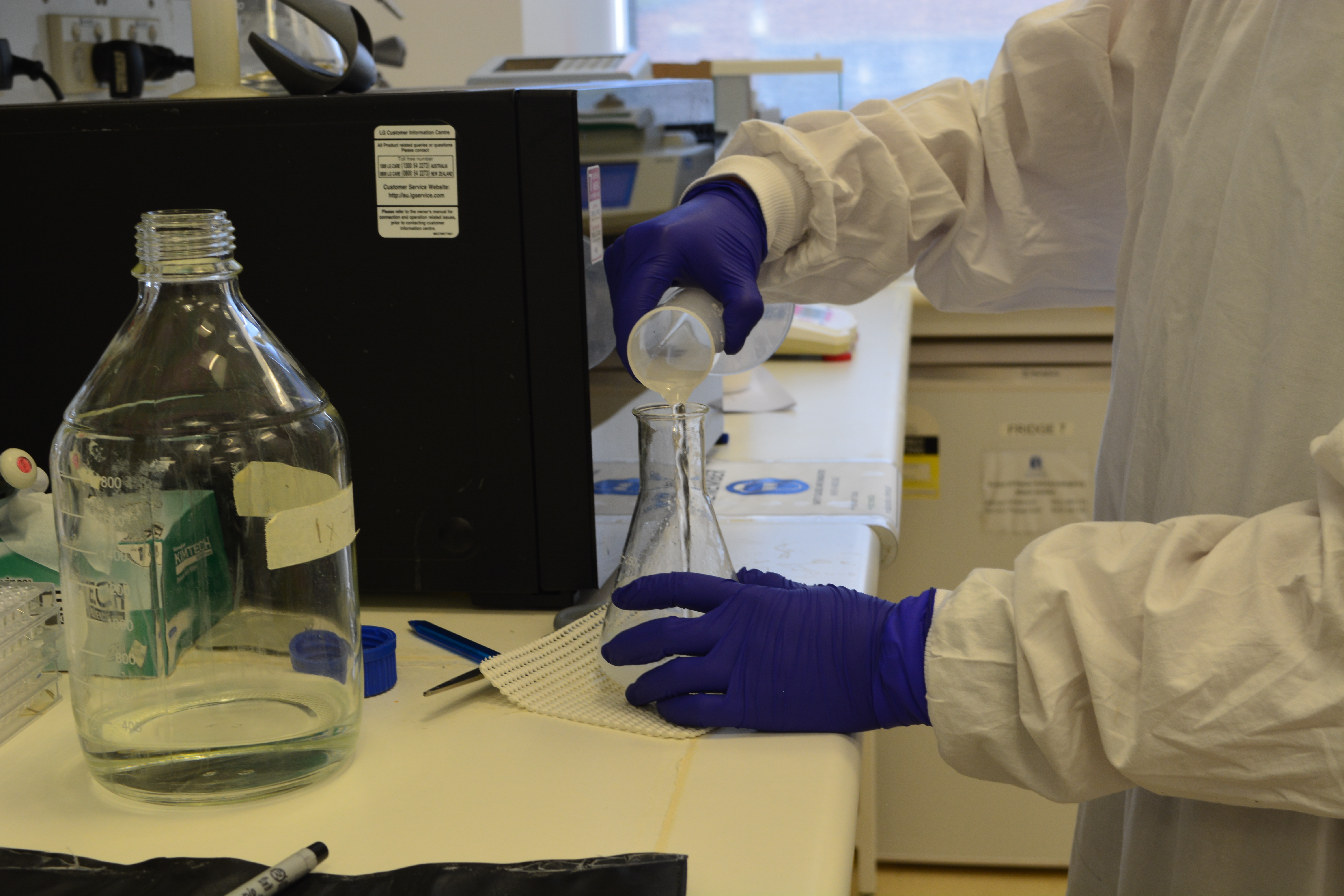
Check out our scholars in action!
Our alumni
-
The Huong (Kevin) Chau
Macquarie University
-
Yohaann Ghosh
Sydney University
-
Thomas (Phu Minh Triet) Nguyen
The University of Adelaide
-
Inoli Wadumesthrige Don
University of Canterbury
-
Lavi Singh
University of the South Pacific