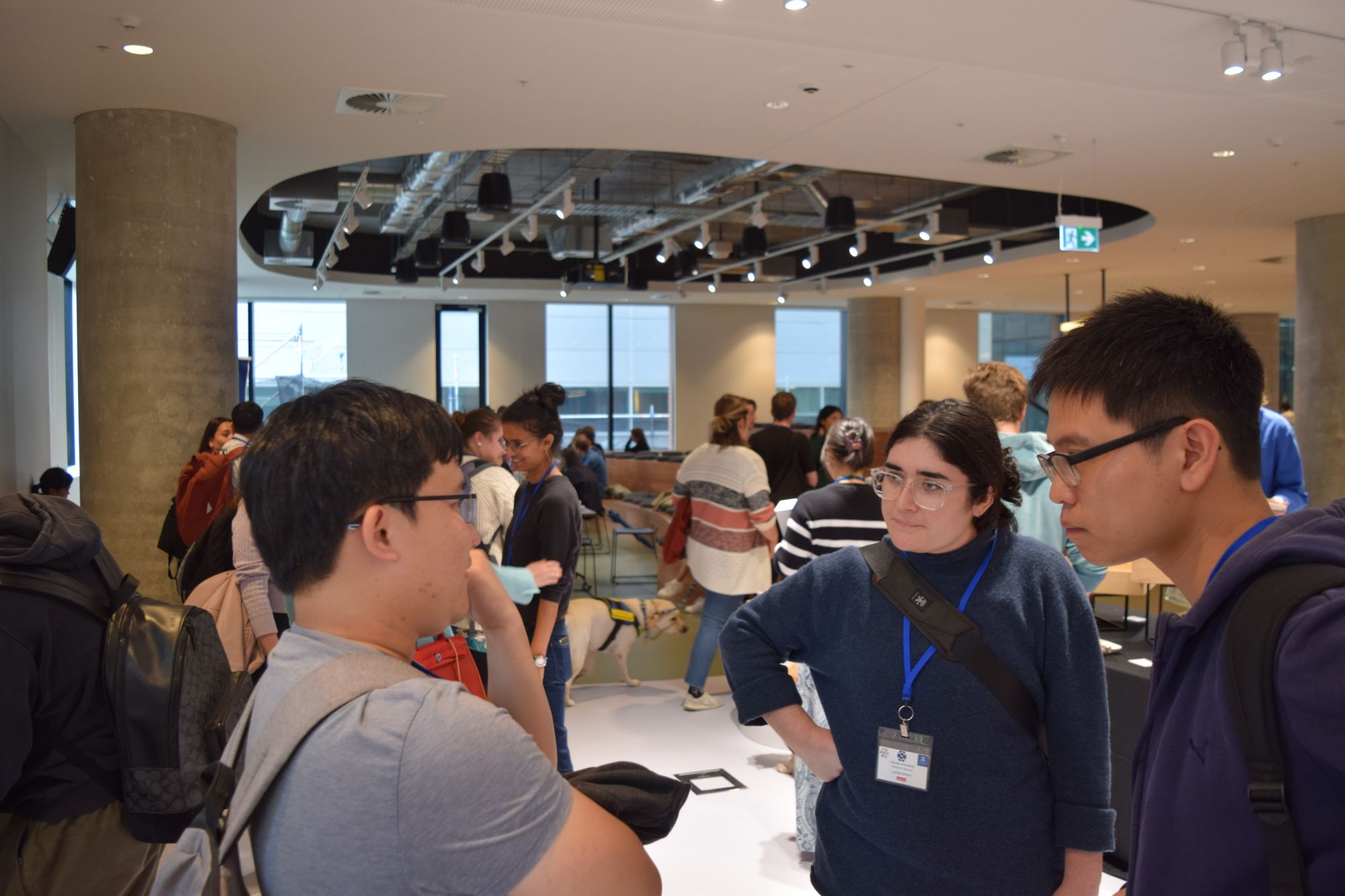
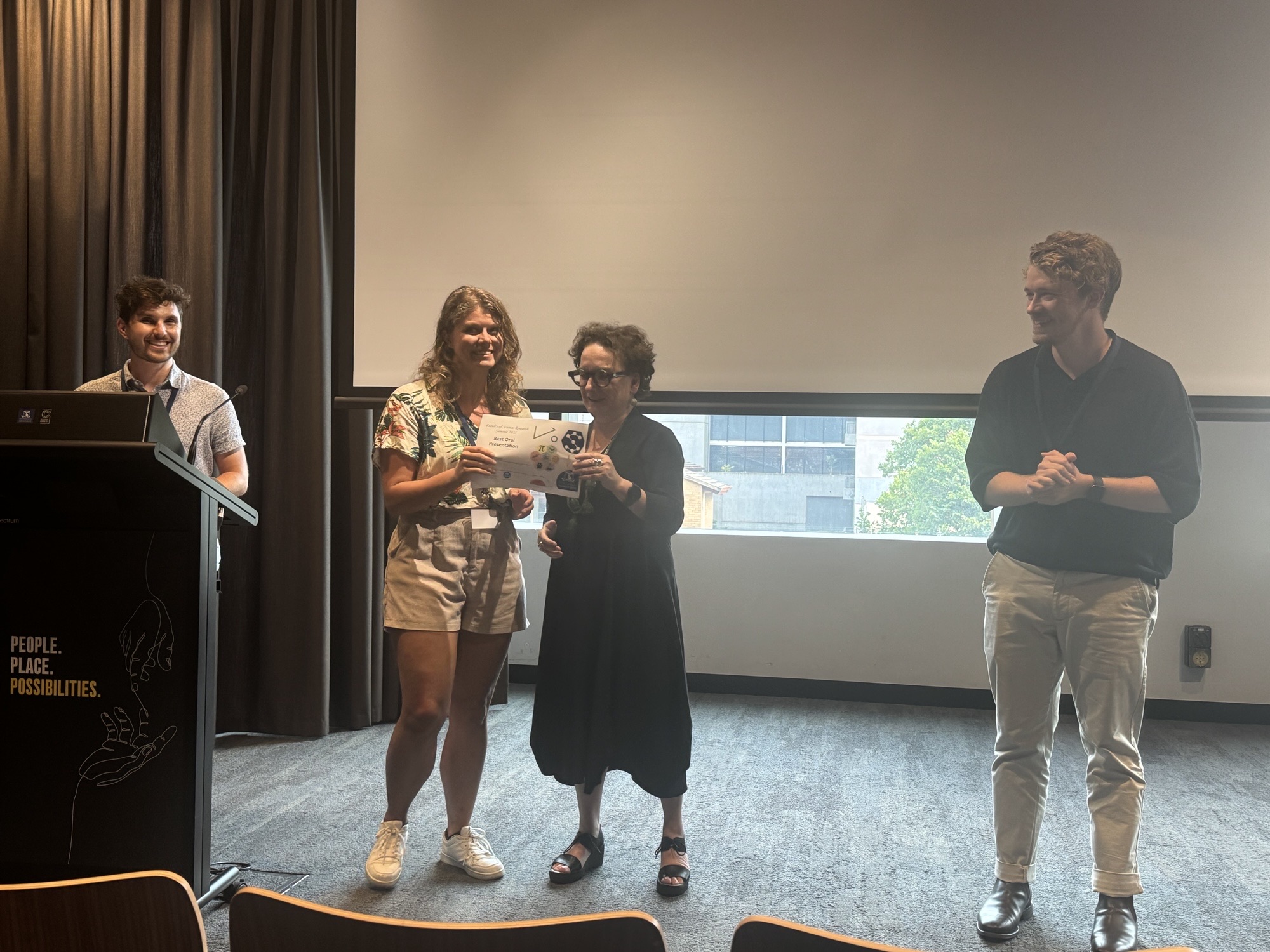
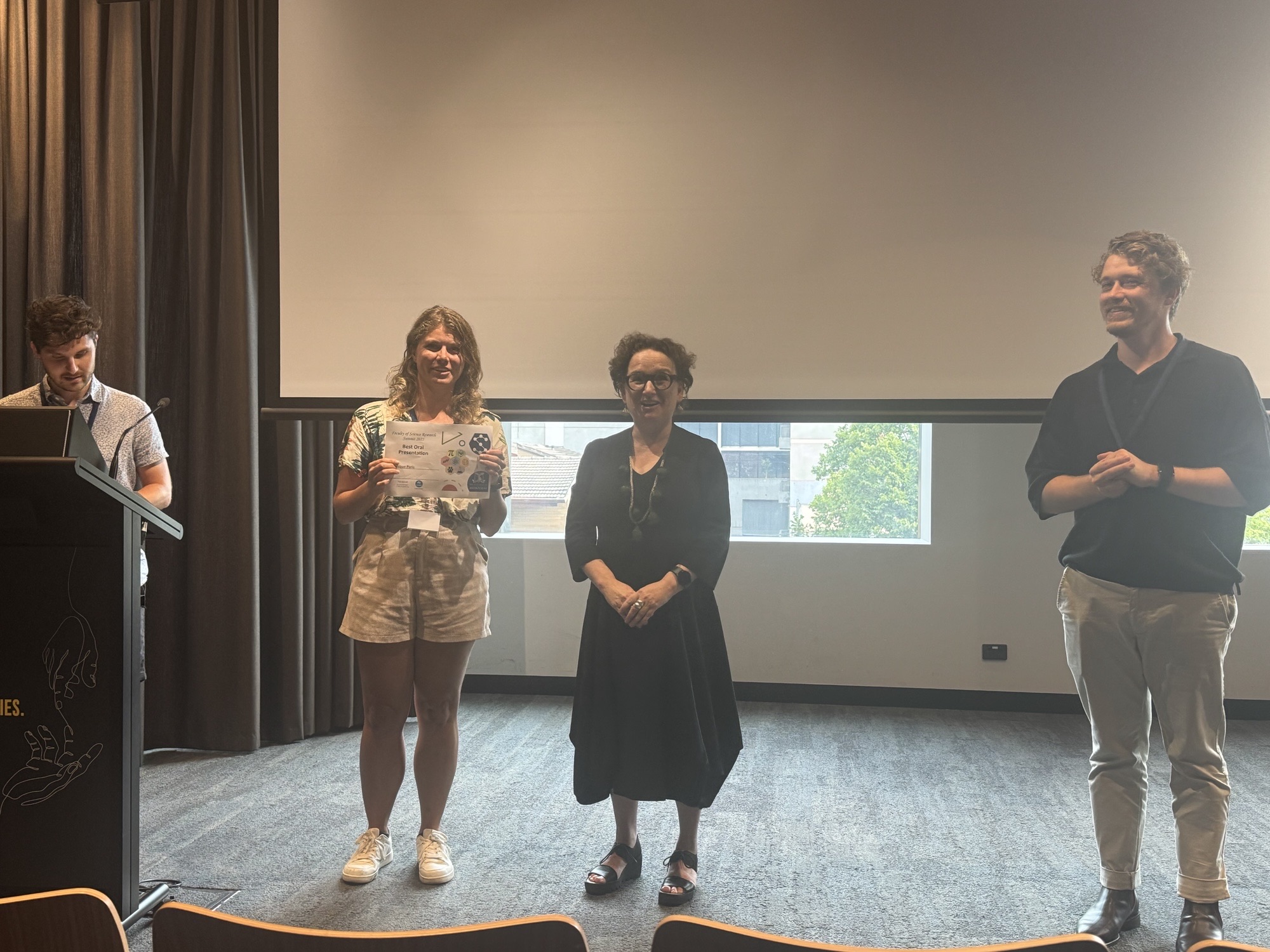
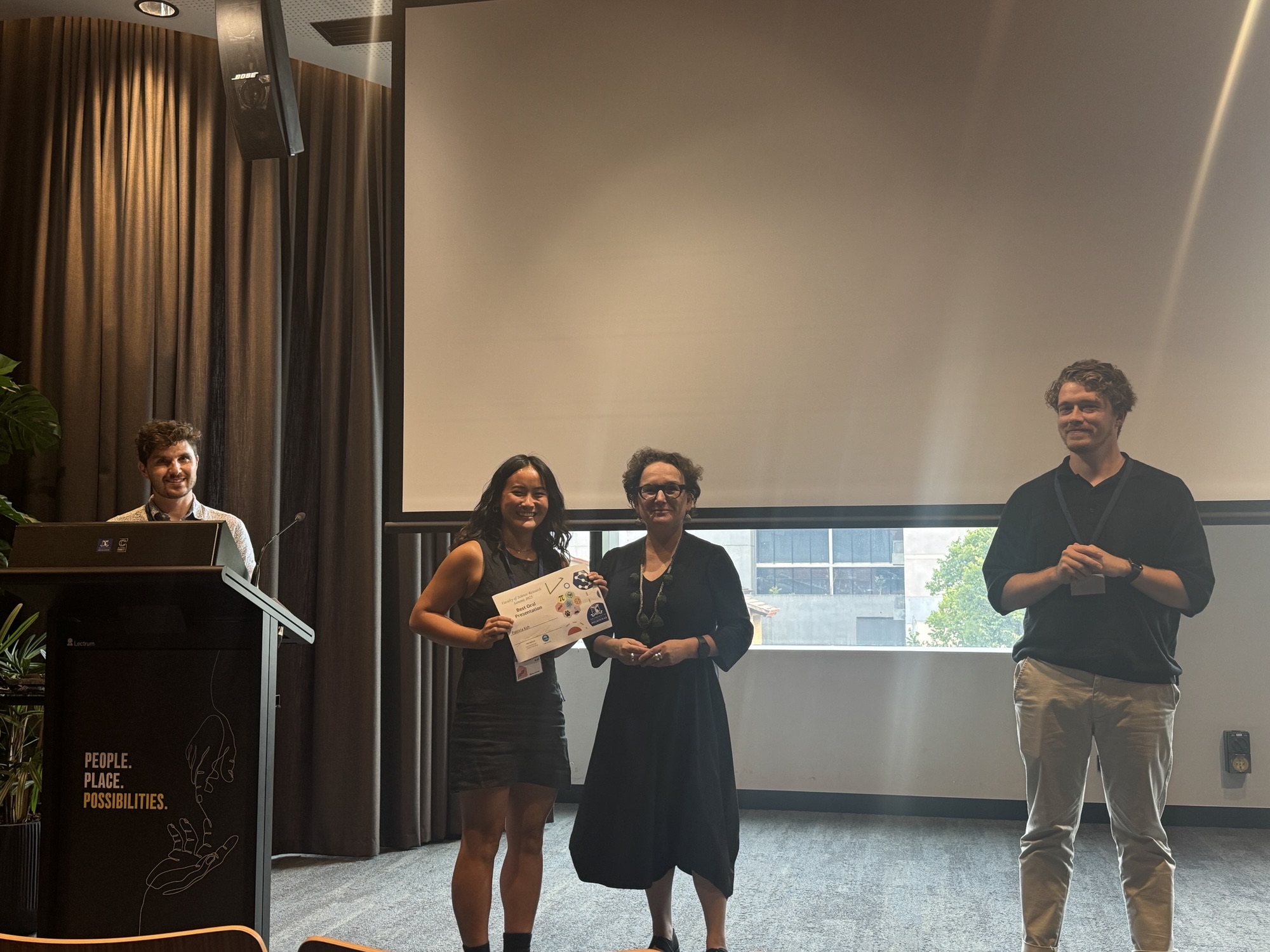
Photo gallery
Schedule and abstract book
Invited Speakers

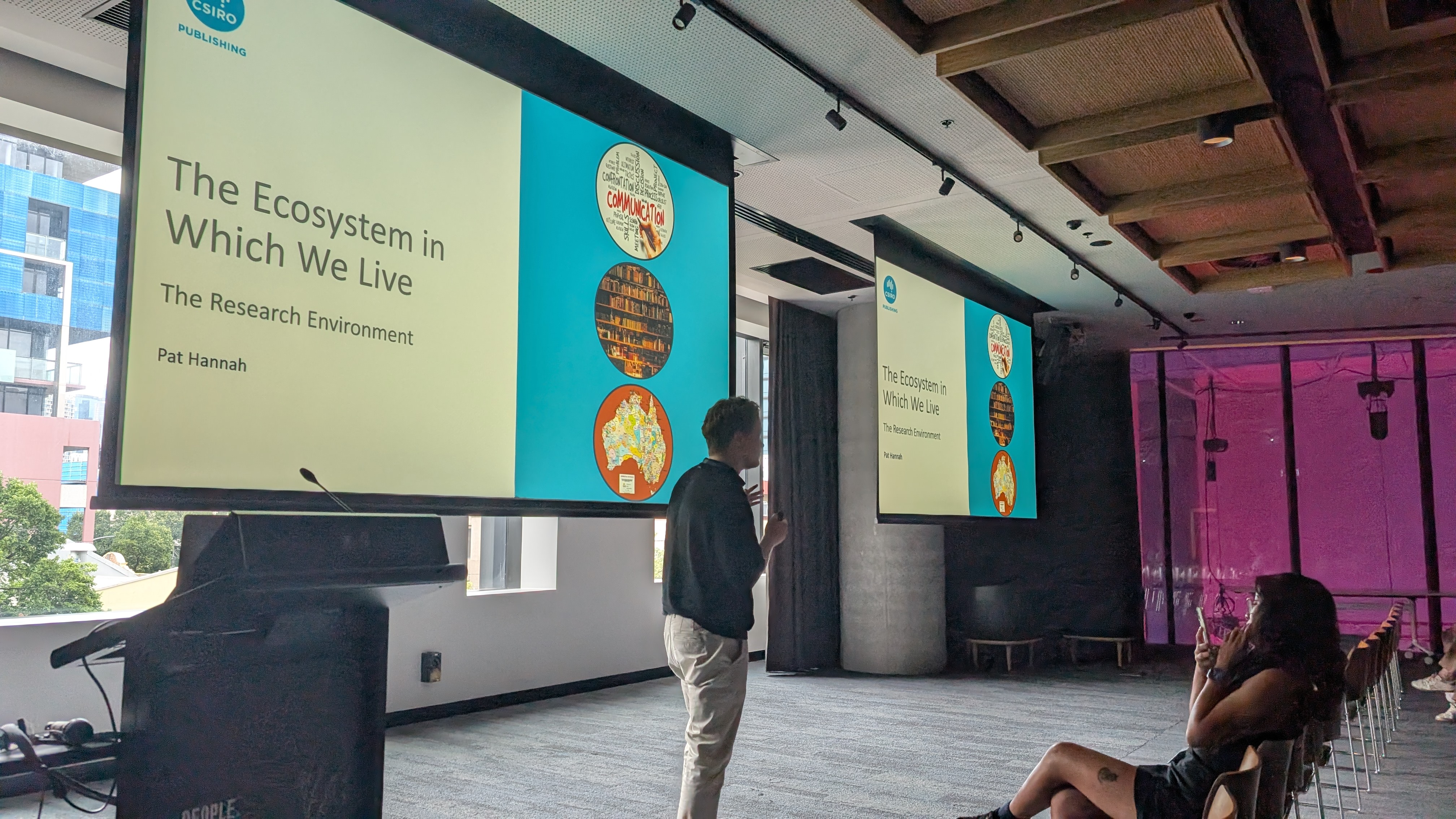
Pat Hannah
Plenary Speaker
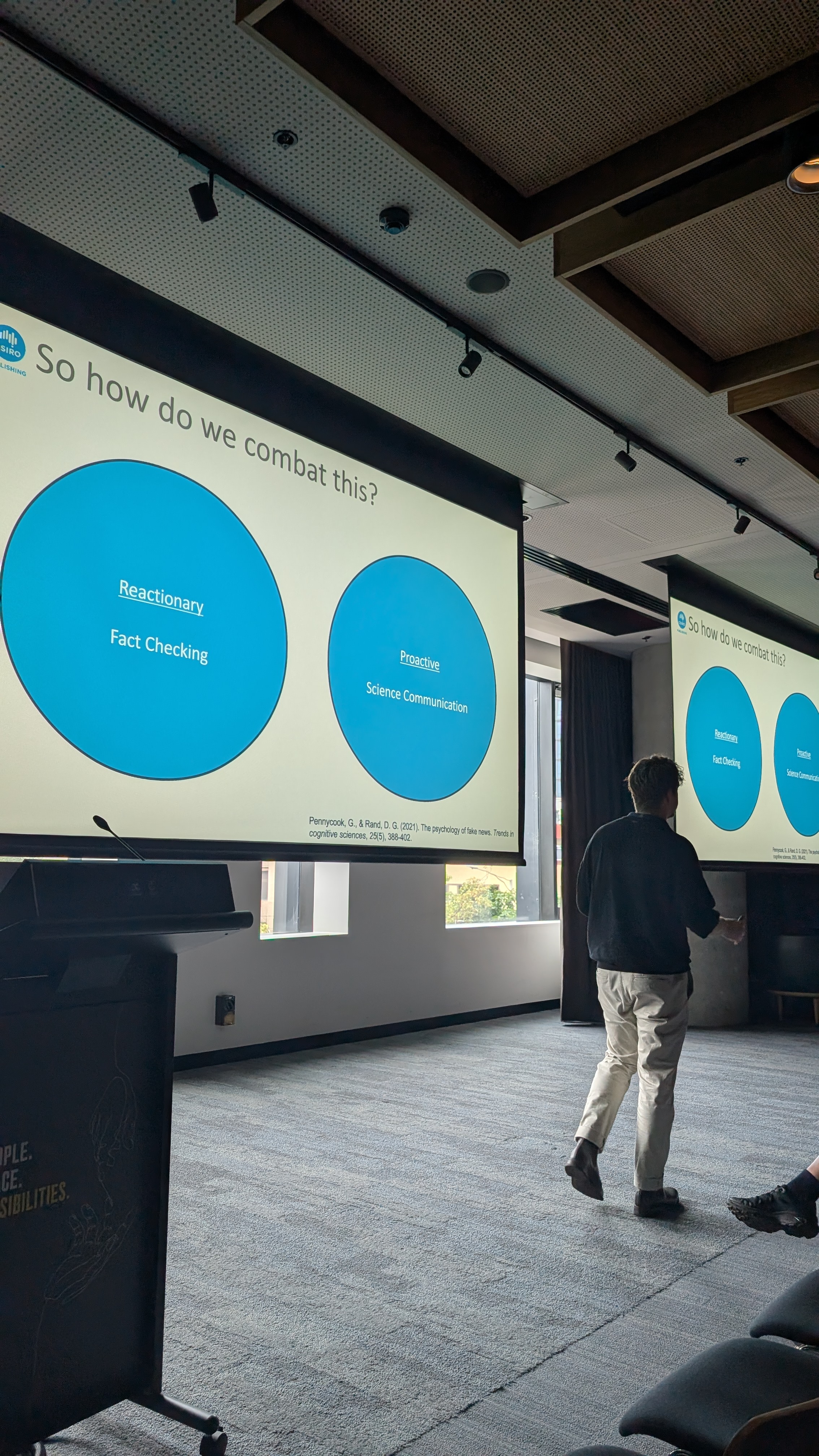
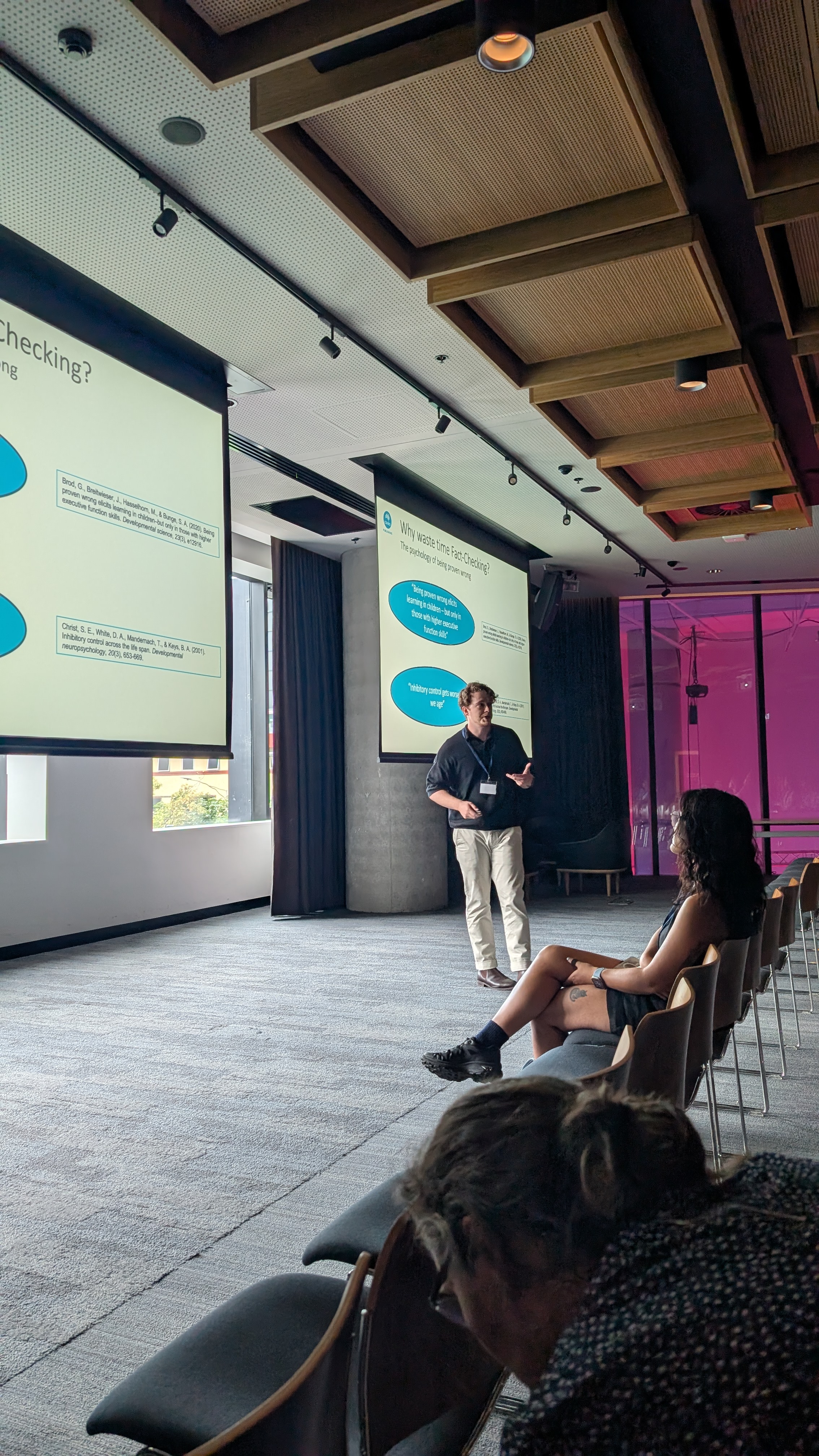
Pat is a Journal Manager at CSIRO Publishing, where he oversees strategy development and workflow management for 13 journals in the publishing portfolio. He holds a PhD in Plant Biochemistry from the University of Melbourne, where he also served as a Lab Manager for the Plant Cell Lab, a Technical Assistant at Melbourne Pollen, and held various teaching roles.
At CSIRO Publishing, Pat joined the Indigenous Engagement Working Group (IEWG), which aims to create greater pathways to STEM careers for Indigenous Australians. Across all his roles, Pat has remained deeply committed to his passion for science communication, bridging the gap between research and broader audiences.
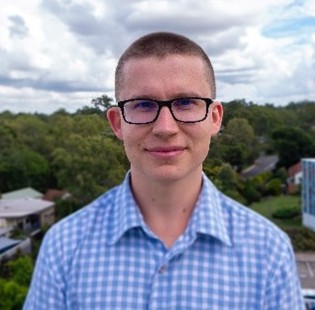
Andrew Urquhart
Andrew will commence a DECRA fellowship in February 2025. His research focuses on discovering and understanding a novel class of giant transposable elements in fungi called “Starships.” These elements are significant because they can transfer genes associated with important traits, such as antimicrobial resistance and plant pathogenicity, between different fungal species, impacting human activities. Andrew's current work aims to elucidate the mechanisms by which Starships facilitate gene movement between fungi.
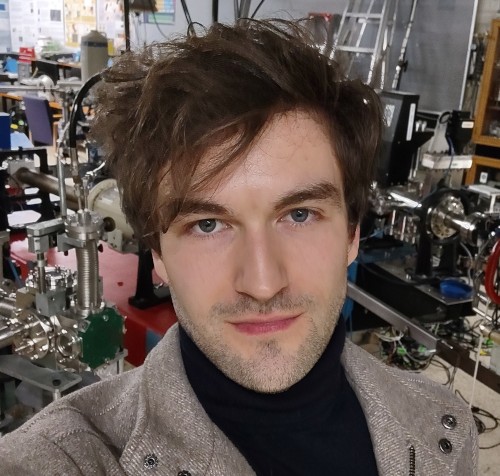
Daniel McClosky
Daniel is an experimental physicist interested in the application of colour centres in wide-bandgap semiconductors to sensing and imaging in the life sciences. Previously, he developed a voltage imaging methodology using nitrogen-vacancy defects in diamond. His present research uses this same method to image electrical dynamics in small networks of mammalian neurons in vitro with the aim of constructing functional connectomics map abstractions to better understand mechanisms of learning and excitatory/inhibitory homeostasis in neuronal circuits.
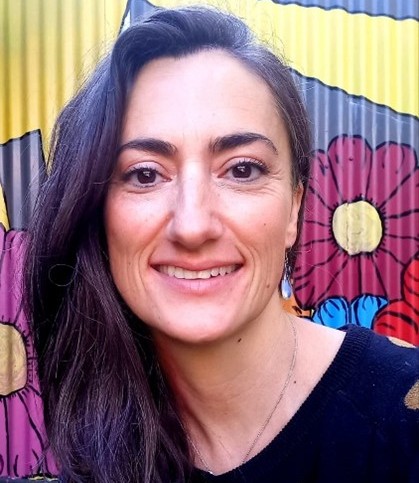
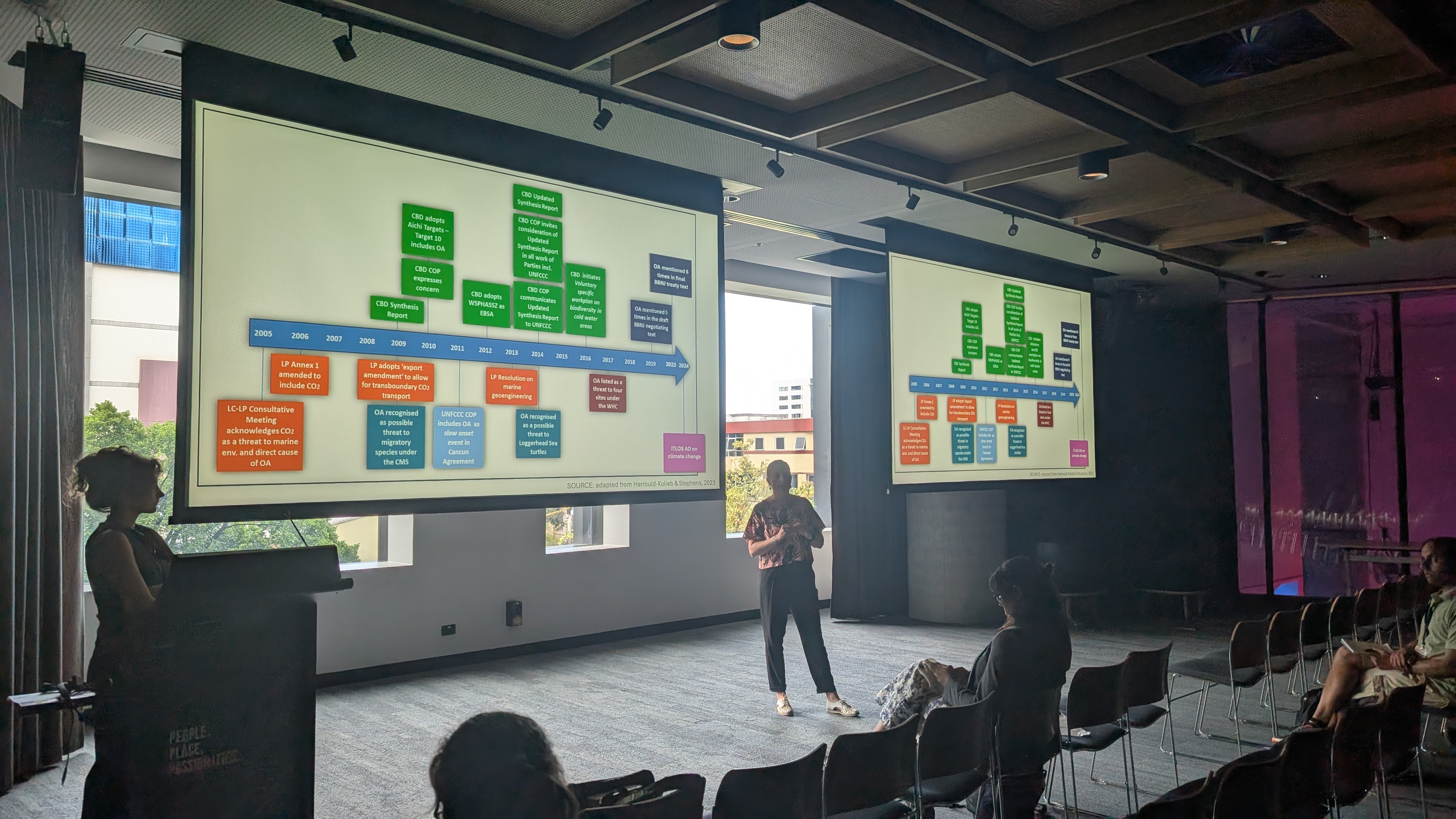
Ellycia Harrould-Kolieb
Ellycia is a marine social-ecologist. Her research is focused primarily on the governance of the global ocean and centres broadly on the governance of ocean acidification, deep sea mining, the ocean commons, and the ocean-climate nexus. Ellycia's research explores architectures of governance, including treaty regimes and international organisations, and their interactions, along with the roles that scientific knowledge and problem framing play in decision-making and the uptake of environmental issues on governance agendas. This research is situated at the intersection of international environmental law, conservation biology and environmental sociology.
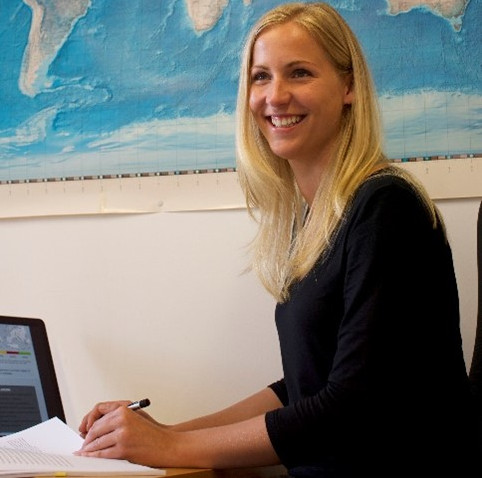
Mandy Freund
Mandy Freund is a Lecturer in Climate Science at the University of Melbourne and the ARC Centre of Excellence for the Weather of the 21st Century. Her research focuses on climate variability across seasonal to decadal timescales, with particular expertise in the El Niño Southern Oscillation (ENSO) and its teleconnections influencing droughts and precipitation patterns.
Mandy has over a decade of research experience across institutions in Australia, Germany (the German Research Centre for Geoscience), the UK (University of Cambridge) and the United States (Columbia University). Prior to joining the University of Melbourne as a Lecturer, Mandy held a Research Fellowship in the Agriculture and Environment Research Units at CSIRO investigating tropical climate variability and seasonal forecasting. She completed her PhD at the University of Melbourne in 2019, examining Australian rainfall variability in relation to the different types of El Niño events.
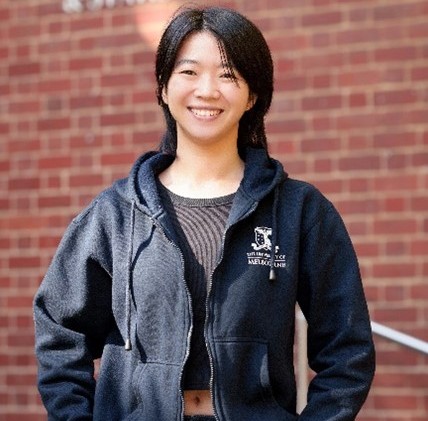
Wei Huang
During her PhD, Wei developed innovative and theoretically sound statistical methods to analyse complex modern data. Her current research focuses on creating robust statistical techniques for identifying causal relationships, supported by rigorous mathematics, to enhance decision-making processes. Looking ahead, she aims to integrate advanced machine learning and AI techniques to improve causal inference and equip AI systems with causal reasoning capabilities.
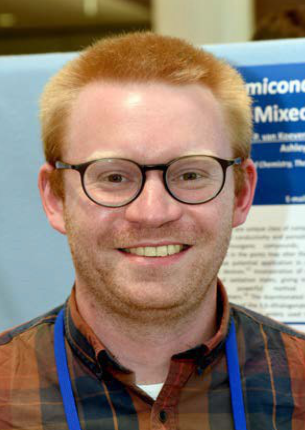
Martin van Koeverden
Martin van Koeverden is a 2024 Melbourne Postdoctoral Fellow in the School of Chemistry at the University of Melbourne. His research is focused on electroactive and porous metal-organic crystalline materials for application in energy storage and conversion devices. Martin has a diverse background in fundamental and applied research spanning academia and industry. Before joining the University of Melbourne, Martin was an R&D Scientist at CCL Secure where he developed security features for polymer banknotes, and a Postdoctoral Research Associate in the School of Chemistry at the University of Sydney. He completed his MPhil in Chemical Engineering in 2015 at the University of Melbourne, investigating metal-organic and polymer thin films for surface modification, and a PhD in Chemistry in 2021 at the University of Melbourne, focused on electrically conducting and magnet metal-organic materials.
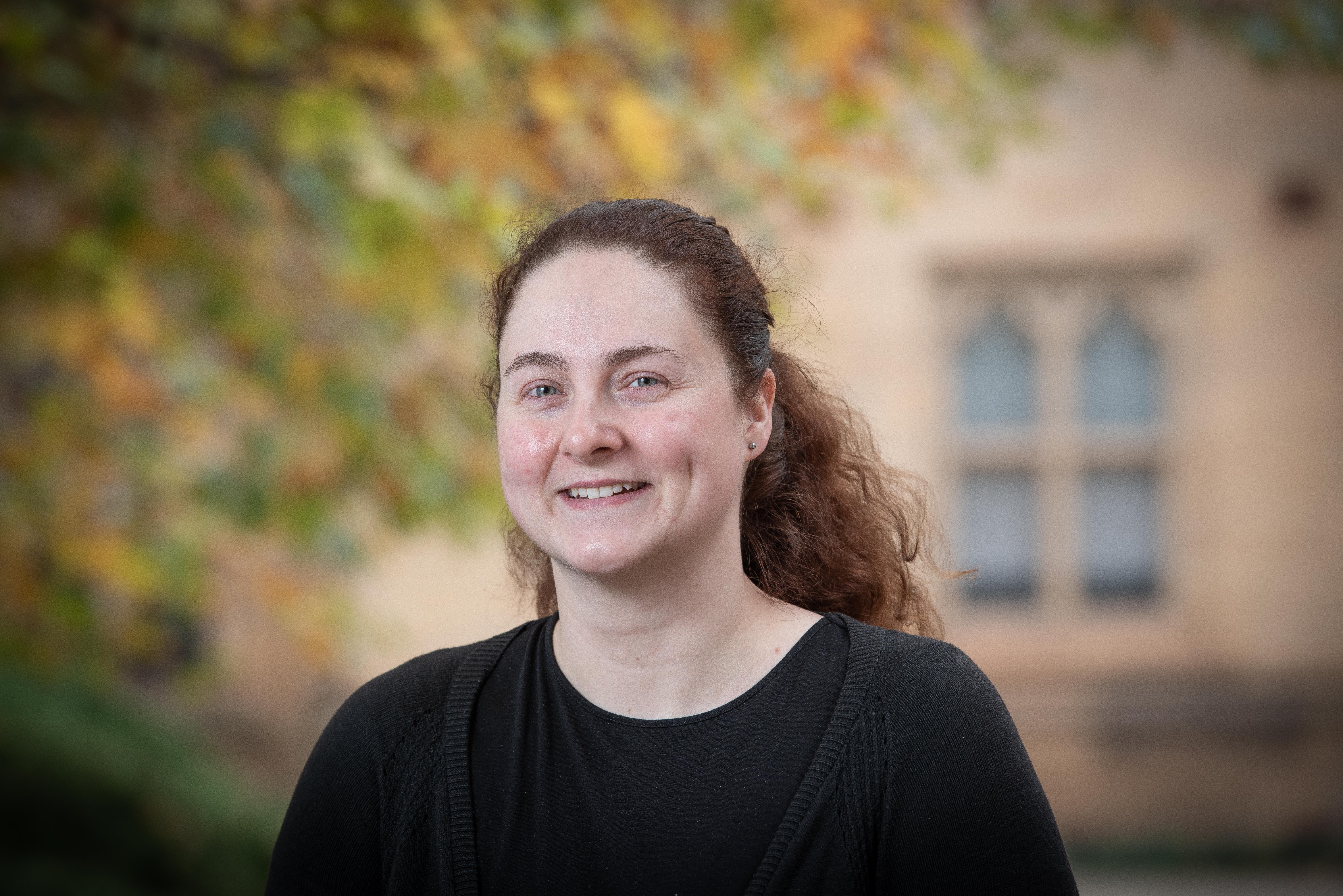
Mel Saligari
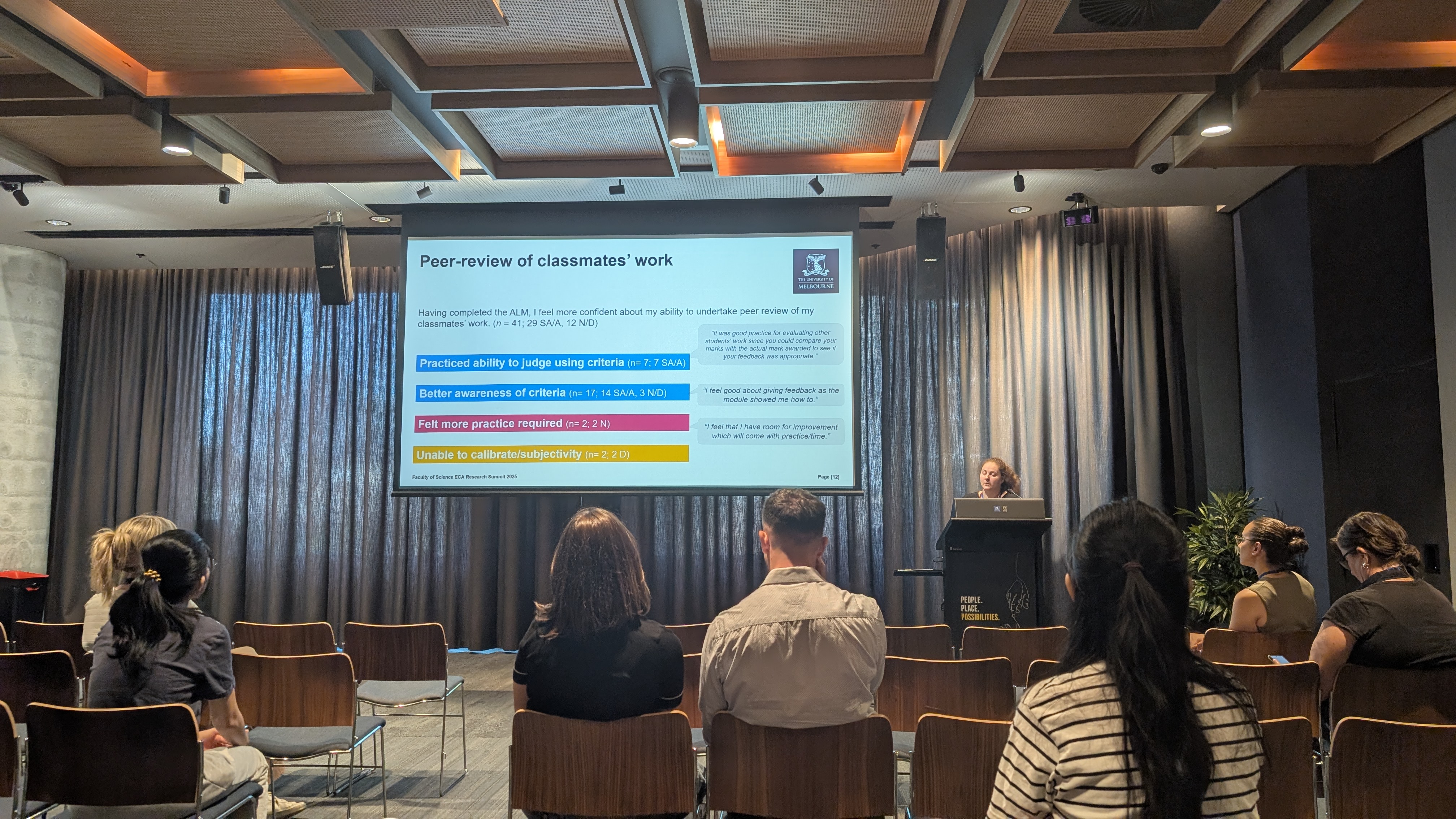
Melissa Saligari is an Education-focussed Lecturer in the School of BioSciences, where she specialises in genetics and foundational biology education. Mel completed her doctoral degree in genetics, where she utilised Drosophila melanogaster as a model to investigate how growth and development are regulated.
Mel is passionate about designing and delivering highly engaging student-focussed learning experiences that facilitate the development of self-directed graduates. A key focus of her role has been leveraging evidence-based pedagogy in combination with discipline-specific knowledge to drive assessment reform and curriculum innovation across undergraduate biology. Mel has received the School of BioSciences’ Teaching Excellence Award on three occasions (2021, 2023, 2024) and is the current Deputy Director of Teaching and Learning for the School of BioSciences.