Work Experience in 2026
2026 Dates
22 – 26 June.
Program Structure
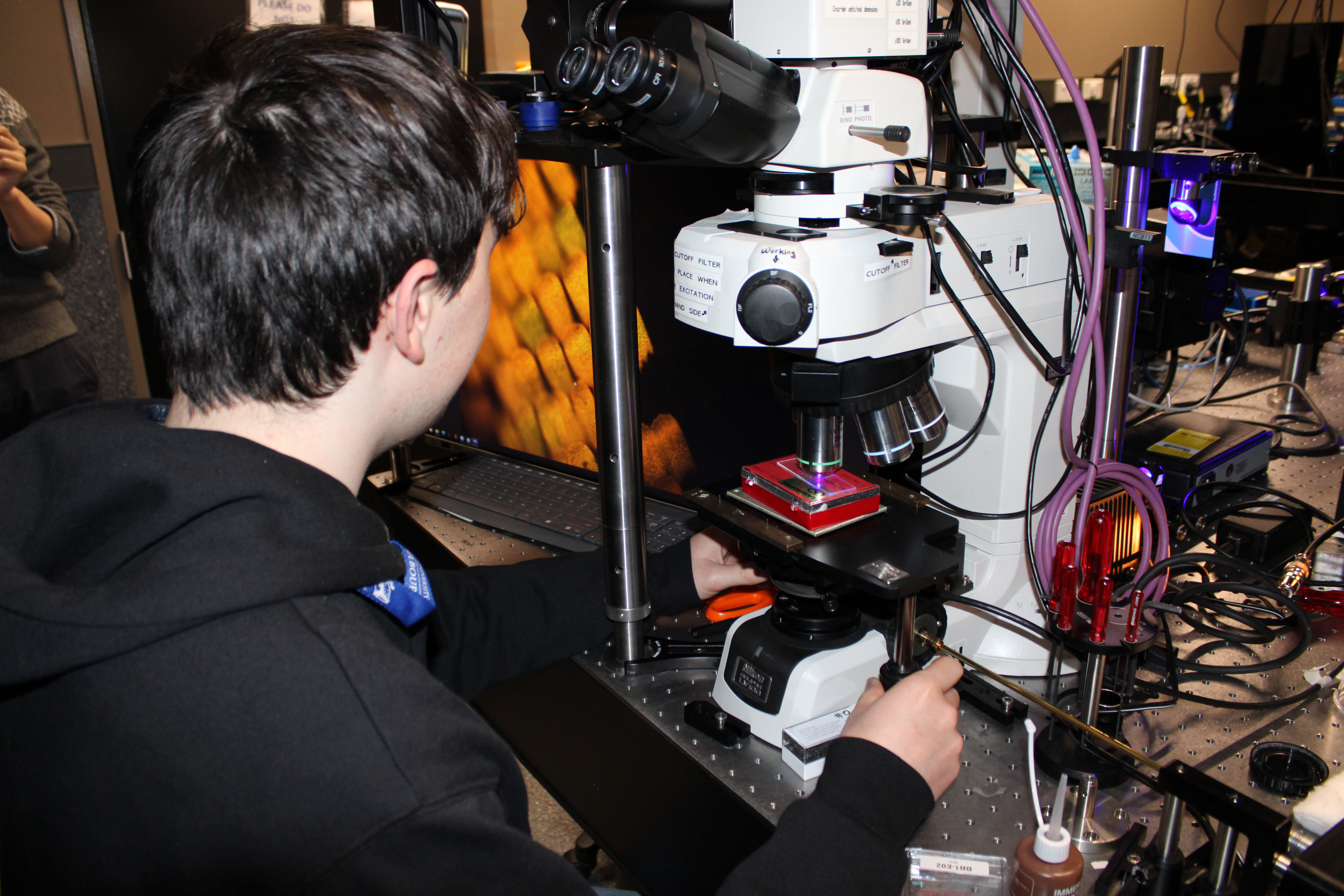
The University of Melbourne Year 10 Work Experience Program provides students with a sample of activities that are part of a career in STEM including conducting experiments, attending seminars, collaborating with others on research projects, and presenting their own findings.
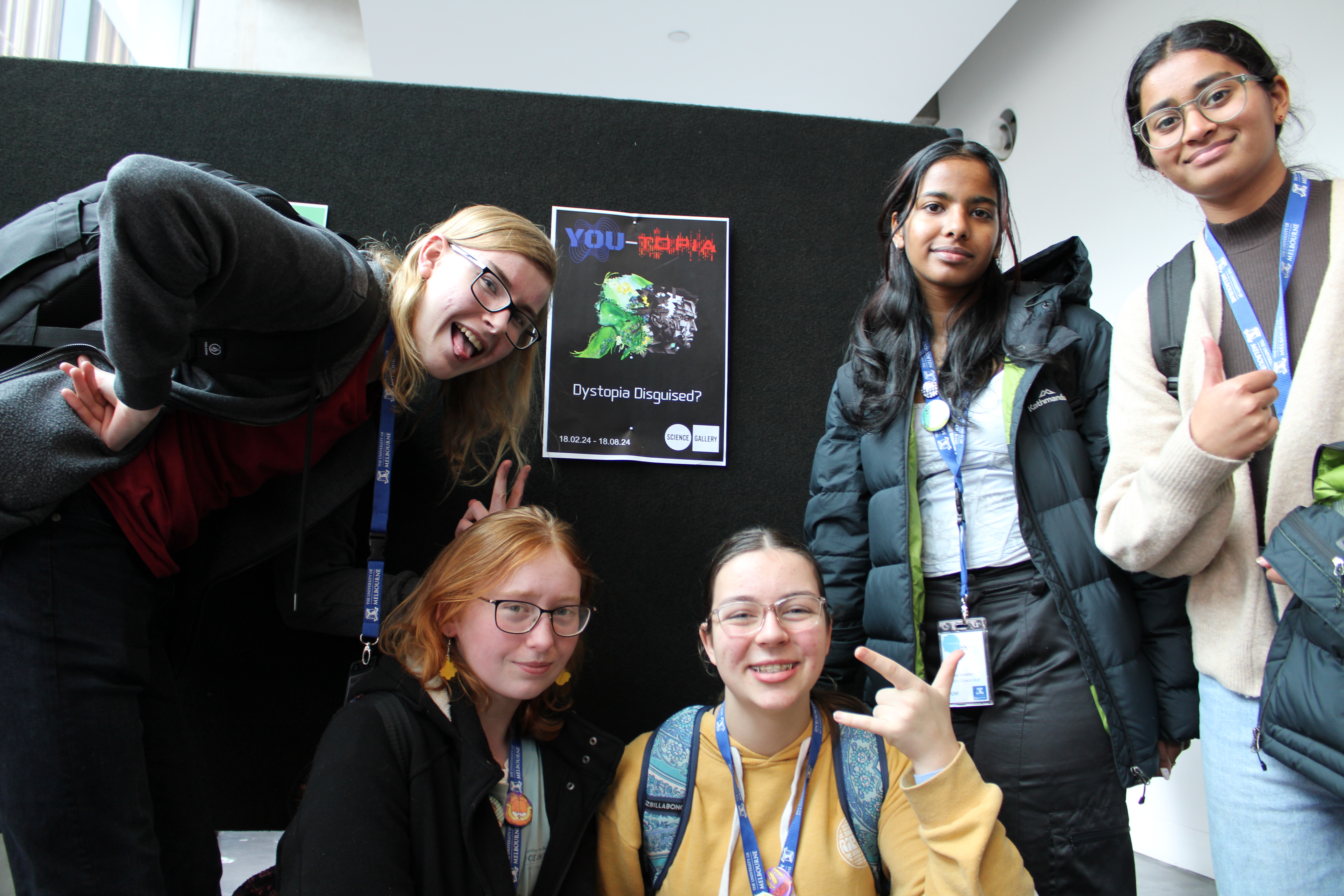
Participants discover what it is like to be a person working in STEM, meet like-minded friends and STEM role models, and also get a taste of university life.
The program is divided into a number of science discipline streams. Students must nominate their top three preferences as part of the application process. They must also name a research group or particular staff member they would like to be placed with and explain why. During the week, students will be hosted by academics and university staff working in one of their preferences, and also spend some time interacting with students from other groups.
2026 Program Streams
-
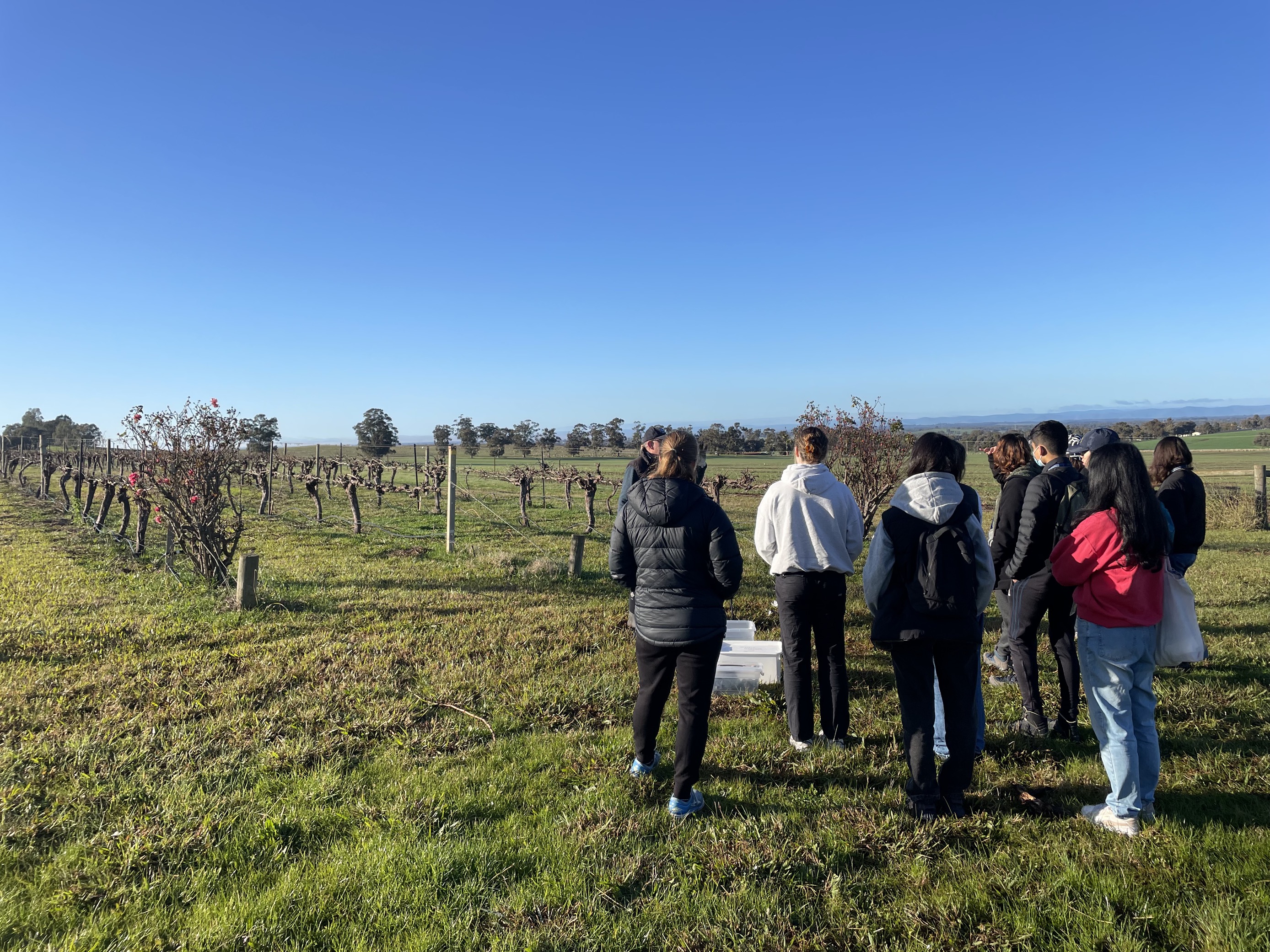
If you are keen on the environment, agriculture or food science, then this could be the experience for you! The School of Agriculture, Food and Ecosystem Sciences (SAFES) brings together a variety of innovative solutions in ecosystem processes. SAFES investigates food industries and systems, and agricultural practices and industry. This work experience opportunity covers an exciting mix of research topics. These include climate change, food security and biodiversity conservation. Sustainable forest management and the impact of invasive species are also important topics. Research also addresses environmentally and economically sustainable agricultural practices. Opportunities in this stream could include working with staff at the Parkville campus, as well as visiting Burnley, Creswick or Dookie campuses.
Research themes:
Find out more about SAFES growing research areas including:
-
Does ecology, evolution or genetics inspire you? Then check out the work experience stream in the School of BioSciences! Researchers in this school use fundamental principles in ecology, evolution and genetics to understand how life on earth works. They then apply it to solve some of the most complex challenges humanity is facing. There is a broad range of techniques and questions to explore in this stream. These include how evolution can be used to control of invasive species or how fisheries use ecology. Investigate the development of bioinspired materials to improve technologies or how animals can rapidly adapt to climate change. Get excited to interact with top researchers in these fields and be part of the process of doing science!
Research themes:
Explore research themes that are coming to life in the School of BioScienes:
-
Are you fascinated by the structure, properties or behaviour of things? Then the School of Chemistry work experience stream might be the one! Chemistry is the study of matter – everything that takes up space in the universe. Work experience in this stream could involve working in a lab investigating functional materials, biological chemistry or chemical biology. You may cover topics such as sustainability and the environment or investigate fundamental chemistry.
Research themes:
Did this blurb get a reaction out of you? Then check out the Chemistry research themes and the people behind them:
-
Do you love understanding how things work and solving problems? Are you into exploring new, emerging tech? Then take a look at the Faculty of Engineering and Information Technology (FEIT) stream.
Engineering includes the study of the natural environment, transport, machines, buildings, and even humans. It strives to improve the structures that society is established on in ways that benefit both humans and the planet.
Information Technology (IT) is a rapidly moving field that explores the way we manage and store data. The flow of information across the world has become crucial for businesses, governments, and individuals. It is expanding human society to an entirely different platform, as more of our world goes online.
Research themes:
See what ideas are under construction at FEIT:
-
Are you interested in medicine, psychology, human health and population? The Faculty of Medicine, Dentistry and Health Sciences (MDHS) is home to these areas. The research in MDHS spans the full spectrum of health and medical sciences. From fundamental biomedical discovery to translational research, MDHS looks into clinical application, public health, and global health.
Research Themes:
If you have healthy interest in this stream, examine the research across MDHS:
-
People, rocks, fossils, landscapes, climate and weather! This stream includes the study Earth’s physical and chemical properties, fossils and the origins and history of life. The School of Geography, Earth and Atmospheric Sciences (SGEAS) investigates the environmental and human effects of natural disasters. SGEAS examines the distributions of minerals and resources needed to sustain our future planet. Research also covers the dynamism of Indigenous cultures and landscapes, drivers and trajectories of climate change and the influence of human behaviour. This stream could include many diverse topics. From earthquakes and volcanoes to climate change and engineering geology. Explore the diversity of human behaviours and cultures!
Research themes:
Dig up the research in SGEAS and get blown away by these themes:
-
Are you intrigued by patterns in geometry, algebra or data? Then check out the School of Mathematics and Statistics! Regarded as the root of all sciences, mathematics and statistics is essential to industry and research. It's used across many sectors such as healthcare, education, finance, energy, and supply chain. Mathematics and statistics are also key to the growing field of data science. If you're interested in modelling, big data, machine learning, and artificial intelligence, then this might be the stream for you!
Research themes:
See what problems researchers at the School of Mathematics and Statistics are solving:
-
From the smallest subatomic particles to the entire universe, if physics is your jam, then this is the stream for you! Physics involves the study of everything in physical existence. This is the work of the School of Physics. In this stream, you may be working alongside astrophysicists investigating dark matter and new galaxies. Work experience could also include being in a lab. This could involve developing methods to enable nanoscale imaging of biology. Or you might be analysing of the inner composition of an atom. There's plenty to fascinate in physics!
Research themes:
This blurb got you buzzing? See what researchers are spinning in the School of Physics streams:
- Atomic, Molecular and Optical Physics
- Condensed Matter Physics
- Cosmology and Astroparticle Physics
- Cultural and Indigenous Astronomy
- Experimental Particle Physics
- Extragalactic Astrophysics
- High Energy Astrophysics
- Nanoscience
- Physical Bioscience
- Quantum Computing and Information
- Geothermal Energy
- Theoretical Particle Physics
-
Are you a science lover who just can't stop talking about it? Do you enjoy writing, creating content or communicating the latest cool science facts? Then check out the Science Communication work experience stream!
Science communicators are people who are passionate about science and making it accessible. Science communication can take all sorts of forms, from presentations to written content, videos and imagery, education, consultation or policy. Science communicators are important people who work in the area between research and different groups in society.
This year's Science Communication stream will be hosted by OPTIMA. In this placement, you'll have a chance to contribute their science communication through their website, newsletters and social media.
Frequently Asked Questions
-
All Year 10 Students currently studying in Australia (including homeschooled students) who will be at least 15 at the start of the program may apply.
-
The Year 10 Work Experience Program will run for 5 full-days including at least 4 days of hands-on STEM work experience.
-
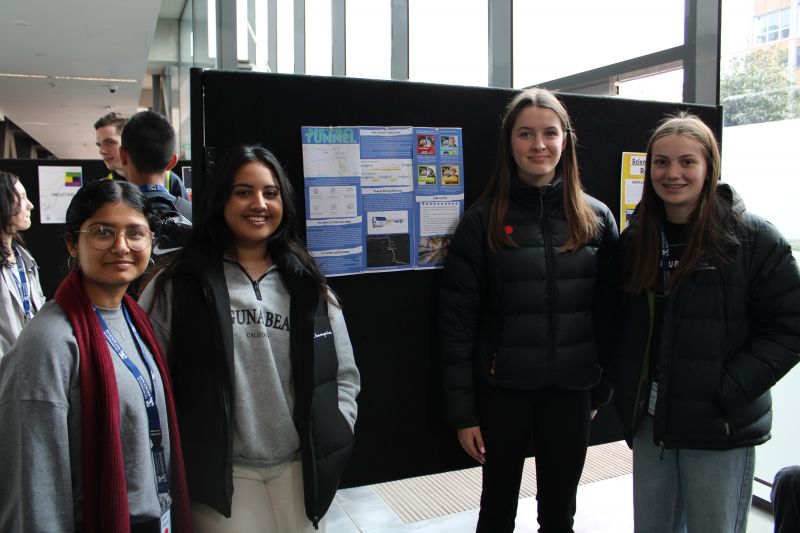
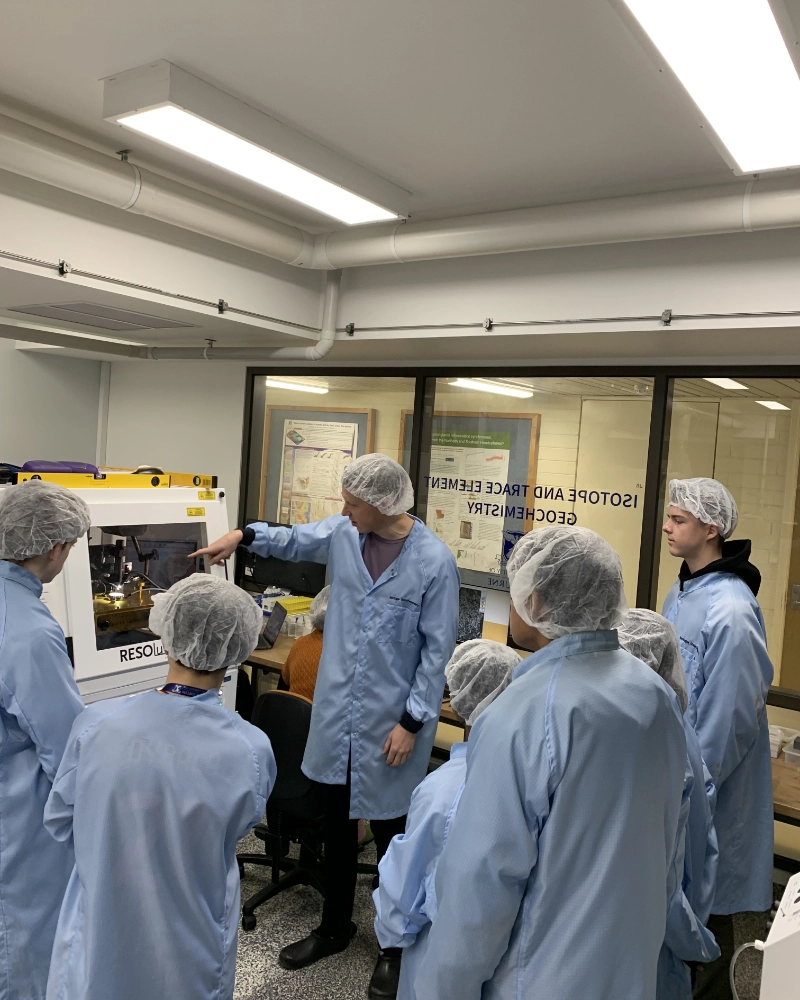
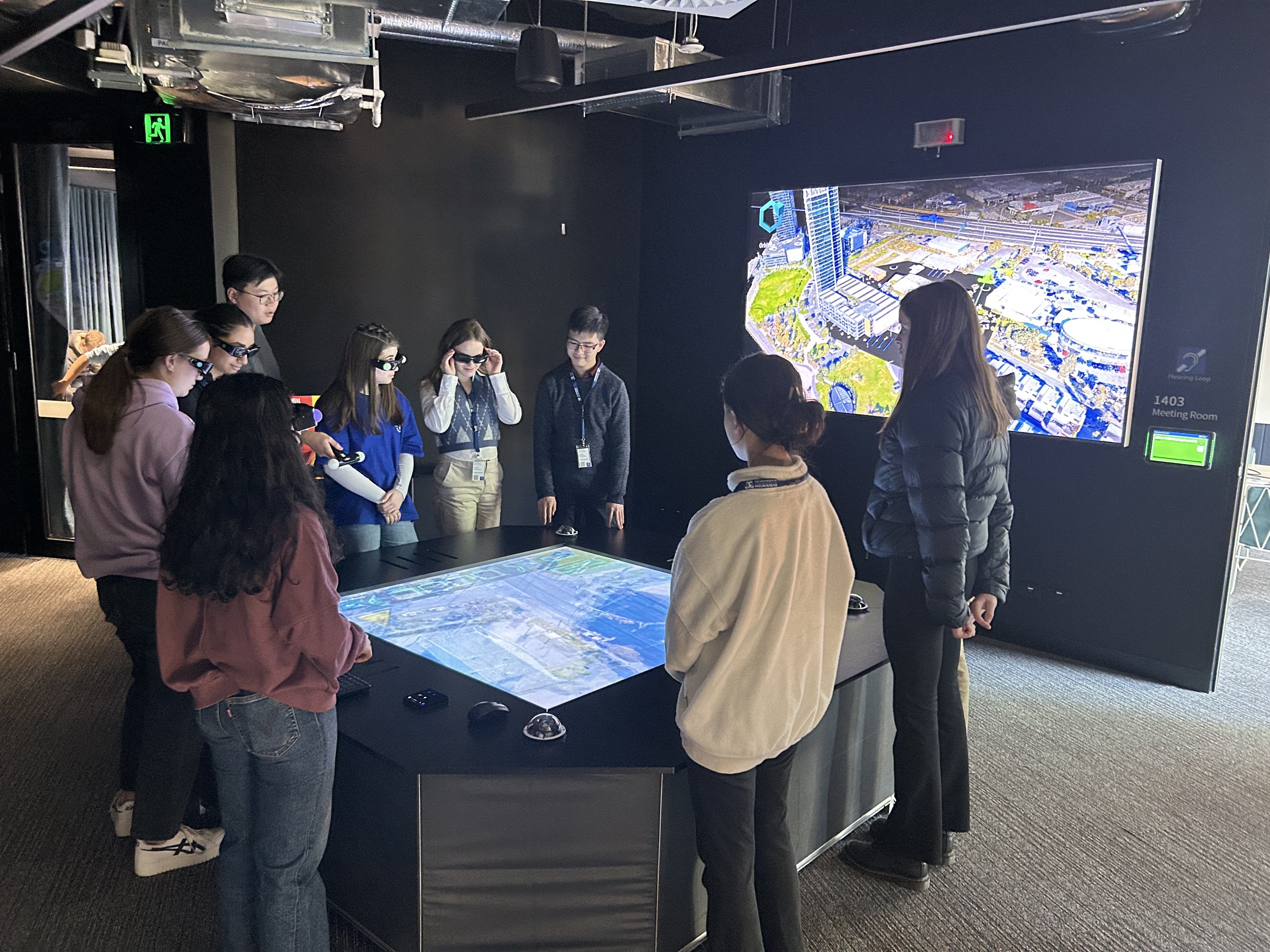
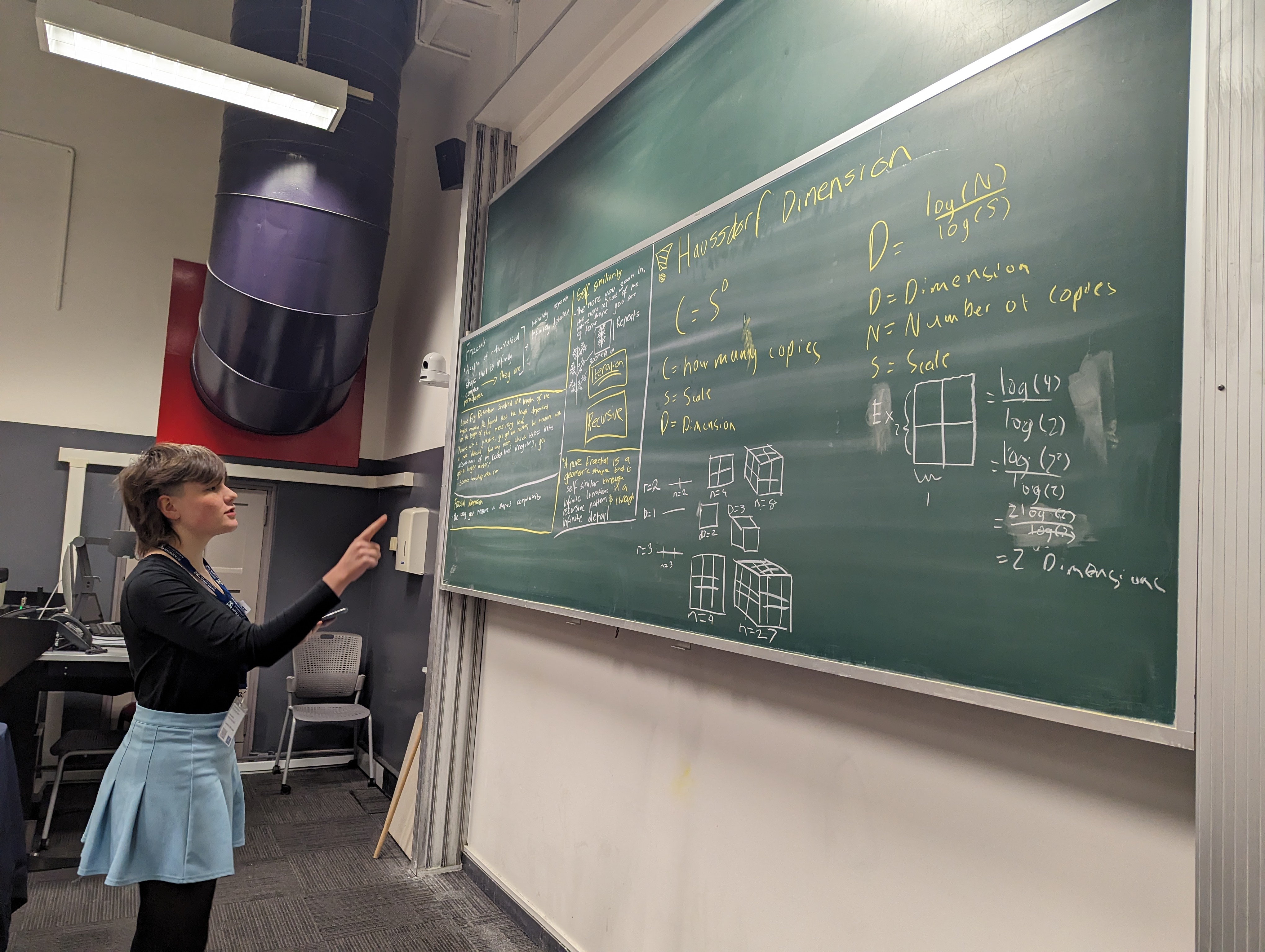
There is a huge range of activities students may undertake during their work experience including shadowing a STEM professional, conducting experiments/research, attending workshops/lectures/tutorials, and attending site visits. Students will also research a topic/question throughout the week and present their findings in a poster expo on the final day.
-
The program is free to attend and all students will be paid at the Victorian Government standard rate of $5/day. While the program is free, students may apply for financial assistance to attend the program (e.g accommodation or travel costs) through the application form.
-
This part of the application helps us understand a bit more about you! We'd like to know what part of STEM interests you most to help us place you in the stream that best matches your interests.
To find out more about the research theme in each area of the Faculty of Science, click on the links in the drop down menu of each stream above. These will take you to the webpages of the research groups in these areas. You should mention these in your application and why they interest you. You can also include the names of particular researchers, academics or staff working in STEM you would like to be placed with and why. You can find the names and research areas of such people on the Find an Expert at the University of Melbourne page.
Please note: We cannot guarantee you will be placed with these research groups or staff. Listing them in your application, however, may increase your chances of working with them. It helps us to connect you with the right people so don't forget to include them!
-
All students will be notified of their application outcome by end of Term 1 2026.
-
Unfortunately, as the program is highly competitive with around 1,000 applicants each year, we cannot accept late applications. However, we do offer other STEM programs that may be of interest which can be found here: https://science.unimelb.edu.au/engage/science-in-schools
-
If you missed a question/answer or input the wrong information, please resubmit a NEW application and we will use the most recent application under your name.
-
If you would like to change your preferences or any other information on your application EOI, please submit another EOI. The Work Experience team will refer to your most recent submission as your final submission.
-
Unfortunately, the Year 10 Work Experience Program only occurs once per year, and students must attend the dates outlined above.
How to apply for the 2026 program
Update: The 2026 program has now concluded.
Applications for the 2027 program will open at the beginning of Term 1, 2027.
We are unable to assist with applications for Work Experience placements at the University of Melbourne for the remainder of 2026.
For all other enquiries please send an email to science-workexperience@unimelb.edu.au.
Click here for information about vaccination requirements for visitors to the university.
Previous work experience highlights


Other events you might be interested in
Are you interested in studying at the University of Melbourne? Hear directly from our staff and students at one of our many in-person and online events, or find out more about events we could run in your school