

ECA Collaboration Awards
Seeking an opportunity to build national and international research collaborations and strengthen your network? The ECA Collaboration Awards are open to Early Career Academics (Level A and B) who hold an Education and Research or Research Only position in the Faculty of Science. You can receive up to $20,000 to cover the costs of travel and accommodation and general project costs for a collaboration which enables new and/or emerging scientific discipline research.
Applicants must hold a PhD. Only ONE application can be submitted per applicant per round. Applicants can only ever receive a total of one International Award and one National Award.
Meet some previous recipients
-
Jieqiong Lou
2025 Global Collaboration Award
-
Sara Pinho
2025 Global Collaboration Award
-
Adriana Zanca
2024 Global Collaboration Award
-
Zahra Islam
2024 Global Collaboration Award
Submissions are now open for travel in 2027 and will close 30 October 2026. Please apply here for the 2027 ECA Collaboration Award. Current University staff can download the 2027 Guidelines (login required).
David Syme Research Prize
The David Syme Research Prize was established following a donation from Mr David Syme in 1904 to the University of Melbourne. The annual prize rewards the best original research in Biology, Physics, Chemistry, or Geology produced* in Australia during the two years preceding the closing date for applications. Preference will be given to original research of value to Australia's industrial and commercial interests (i.e. the impact of the research on the discipline and more broadly). The David Syme Research Prize was first awarded in 1906. The Prize is awarded by nomination only consists of a medal and a cash prize, the value of which will be confirmed each award year, usually about $10,000.
2025 recipient: Sylvie Callegari
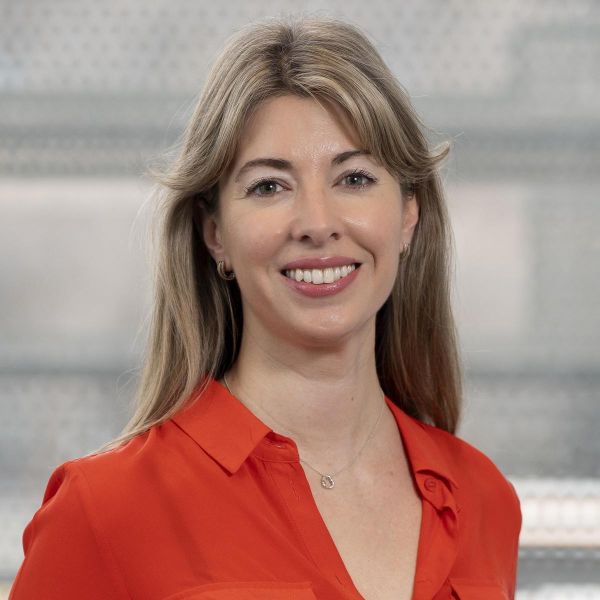
Dr Sylvie Callegari (pictured right) from the Walter and Eliza Hall Institute of Medical Research (WEHI), has been awarded the David Syme Research Prize in 2025 for her work titled Activating PINK1 to treat Parkinson's disease. Read more.
Past recipients
-
- 2020 – Fan Wang ; Marco Herold
- 2021 – Nicolas Flament
- 2022 – Jiajia Zhou
- 2023 – Amy Cain
- 2024 – Natasha Hurley-Walker
- 2025 – Sylvie Callegari
-
- 2000 – Geoff McFadden – Plasmodium research ; Mark Humphrey
- 2001 – Richard O'Hair ; Mark Graeme Humphrey
- 2002 – Calum Drummond
- 2003 – Graham Baldwin ; Bernard Luke Flynn
- 2004 – David Jackson for commercialisation of synthetic peptide technology ; Trevor Lithgow for discovery of the protein Omp85
- 2005 – Brendan Crabb – malaria research at the Walter and Eliza Hall Institute
- 2006 – Christopher Chantler ; Mark Rizzacasa
- 2007 – Stuart Wyithe
- 2008 – David C.S. Huang
- 2009 – Michael R Kearney
- 2010 – Harry Quiney
- 2011 – Robert Scholten
- 2012 – Lars Kjer-Nielsen
- 2013 – Andrea Morello
- 2014 – Spencer Williams
- 2015 – Paul Donnelly ; Dr Peter Macreadie
- 2016 – Igor Aharonovich ; Cynthia Whitchurch
- 2017 – Wai-Hong Tham
- 2018 – Luhua Li
- 2019 – Luke Connal
-
- 1980 – Le Roy Freame Henderson ; William Hugh Sawyer
- 1981 – Frank Andrew Smith ; N.A. Walker
- 1982 – Suzanne Cory; Jerry Mckee Adams
- 1983 – Jacob Nissim Israelachvili ; L.A. Bursill
- 1984 – Ronald Cooper
- 1985 – Greg Dusting
- 1986 – Roger J. Summers
- 1987 – Anthony James Underwood ; H.M. Geysen
- 1988 – Ronald Holden Vernon
- 1989 – James B. Reid
- 1993 – Philip Beart
- 1994 – Stephen Hyde ; Steven Prawer
- 1995 – Igor Bray
- 1997 – Ralph MacNally
- 1998 – Paul Mulvaney
- 1999 – Anthony Weiss
-
- 1960 – W.D. Jackson ; Brian Milton Spicer
- 1961 – Leo Michael Clarebrough ; Michael H. Loretto
- 1963 – Frank William Ernest Gibson
- 1964 – Donald Metcalf ; Arthur William Pryor ; T. Sabine ; D. Walker ; B. Hickman
- 1965 – L.R. Clark ; John Melvyn Swan
- 1966 – L. Nichol ; Guy Kendall White
- 1967 – Norman Keith Boardman ; L.F. Henderson
- 1968 – R.M. May ; T.A. O'Donnell ; J.V. Sullivan
- 1969 – R. Colton ; Alfred James "Jim" Pittard ; Alan Kenneth Head
- 1970 – James Howard Bradbury ; J.R. Egerton ; M.E. Hargreaves ; Winfred Nayler
- 1971 – Arthur James Dyer ; Bruce B. Hicks
- 1972 – Richard Limon Stanton
- 1973 – Malcolm A. S. Moore for his research work in the study of myeloid leukaemia
- 1974 – David Leslie Kepert
- 1975 – Garth William Paltridge
- 1976 – David H. Solomon
- 1977 – Ian Hamilton Holmes
- 1978 – Alan M. Bond
- 1979 – John Warwick Anderson
-
- 1940 – Edwin Sherbon Hills; Howard Knox Worner
- 1941 – Frederick Alexander Singleton
- 1942 – Everton Rowe Trethewie
- 1943 – Brian John Grieve; Victor David Hopper
- 1944 – George Baker; Francis Norman Lahey
- 1945 – John Stewart Anderson; Frank Herbert Shaw
- 1946 – H. Leighton Kesteven; Fletcher Donaldson Cruikshank
- 1947 – Avon Maxwell Clark
- 1948 – Keith Leonard Sutherland
- 1949 – Frank John Fenner
- 1950 – Curt Teichert
- 1951 – Alfred Gottschalk; Hill Wesley Worner
- 1952 – Henri Daniel Rathgeber; G. Reid
- 1953 – Douglas Frew Waterhouse; Francis Patrick Dwyer
- 1954 – Alexander McLeod Mathieson; Alexander Thomas Dick
- 1955 – Herbert George Andrewartha; L. C. Birch
- 1956 – Charles H.B. Priestley
- 1957 – Leonard Ernest Samuels
- 1958 – Jack Hobart Piddington
- 1959 – Ronald Drayton Brown; Wilbur Norman Christiansen
-
- 1920 – Frederick Chapman
- 1921 – Neil Hamilton Fairley
- 1922 – Henry George Smith
- 1923 – Frank Longstaff Apperley
- 1924 – Loftus Hills
- 1925 – James Stanley Rogers
- 1926 – Ernst Johannes Hartung
- 1927 – Harold Robert Dew; Ethel Irene McLennan
- 1928 – Oscar Werner Tiegs
- 1929 – Charles Albert Edward Fenner for his thesis, Adelaide, South Australia A Study in Human Geography
- 1930 – Reuben Thomas Patton
- 1931 – Cecil Ernest Eddy ; Samuel John King
- 1932 – Arthur William Turner
- 1933 – Ian William Wark
- 1934 – Walter George Kannaluik ; Leslie Harold Martin
- 1935 – Rupert Allan Willis
- 1936 – Donald Finlay Fergusson Thomson
- 1937 – Austin Burton Evans ; Roy Douglas Wright
- 1938 – No award
- 1939 – William Davies
-
- 1906 – Edward Henry Embley
- 1907 – Harold Launcelot Wilkinson
- 1908 – Basil Kilvington
- 1909 – Harald Ingemann Jensen
- 1910 – Henry George Chapman
- 1911 – Georgina Sweet
- 1912 – Charles Oswald; George Larcombe
- 1913 – Thomas Harvey Johnston
- 1914 – Joseph Mason Baldwin
- 1915 – Ernest Clayton Andrews, for his works on 'The Cobar Copper and Gold Field' and subsequent surveys
- 1916 – Charles Hedley
- 1917 – Henry Joseph Grayson
- 1918 – Thomas Griffith Taylor
- 1919 – Frank Leslie Stillwell