Highlight
Burnley Campus Discovery Day
Saturday 24 October 2026, 10:30 am – 2:30 pm
We invite you to our Burnley Campus Discovery Day. This year celebrates our 135th Anniversary of continuous horticultural education and we invite you to come for a day showcasing the Burnley campus, research, education sustainability and the gardens.
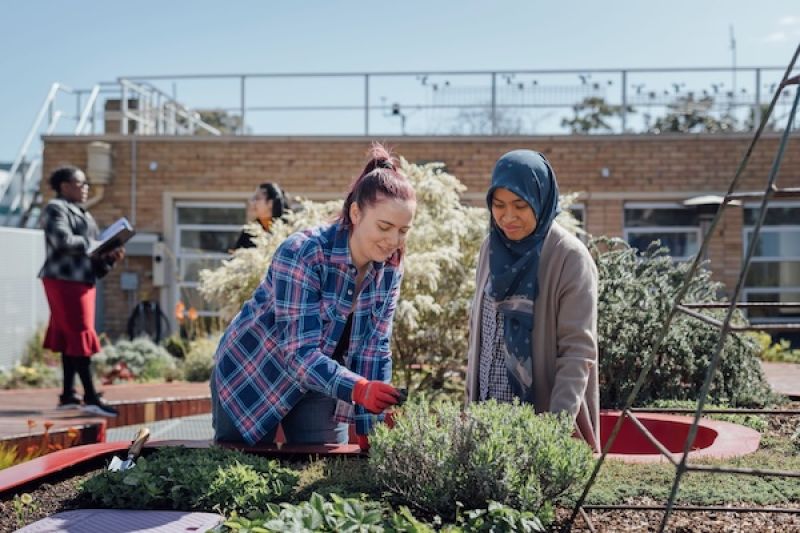
Our Burnley Campus is internationally recognised for its teaching and research, with a strong collective of academics and contributors who continue to develop education in horticultural processes to meet industry demands. The campus has an expanding profile in green infrastructure and focuses on sustainability and climate change.
The Birrarung (Yarra River) flows at the doorstep of the Burnley campus.
From the mountainous upper reaches to the heart of the modern city of Melbourne, the Birrarung has always been an integral part of cultural life and hub of biodiversity. The lower Birrarung connects the Woi Wurrung and Bunurong peoples, and has held large community gatherings of Eastern Kulin along its banks. Important plants like themeda triandra would have been present in this landscape, and been used for food, fishing nets and string. Water Ribbon could be harvested from the clean waters and the roots part of a meal shared with family. The gardens of the Burnley campus revitalise and nourish those that visit them today, much in the same way the Birrarung and surrounding Country has over millennia.
An excerpt from Story of Place by Maddison Miller
Explore the campus
-
Burnley Gardens
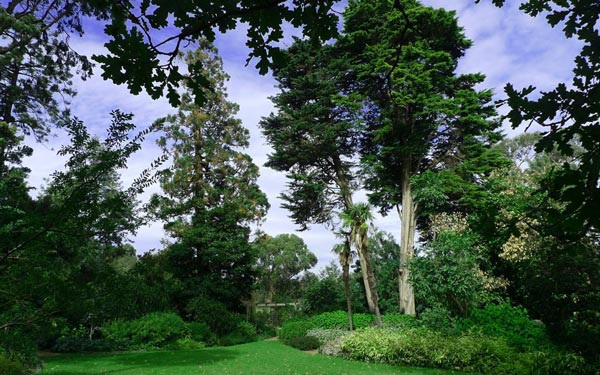
Our Burnley campus is situated within the beautiful heritage-listed Burnley Gardens, which are open to the public.
-
Burnley's Living Labs
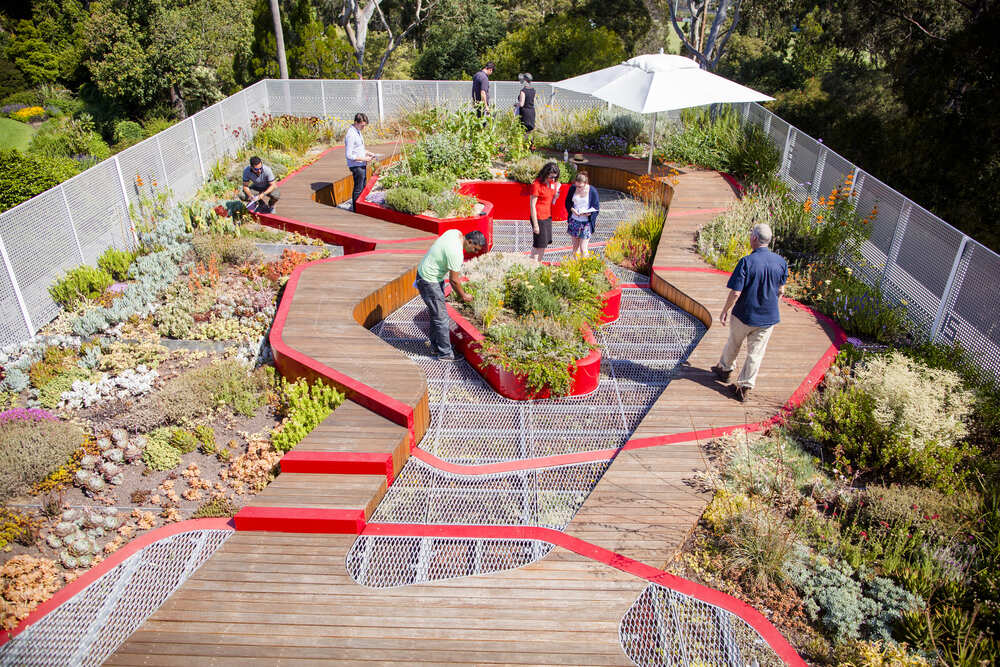
Our three living laboratories showcase green infrastructure research and test different plant species and substrates.
-
Burnley Campus Archives
The Burnley Campus Archives showcase over 135 years of horticultural education at Burnley and its establishment as an experimental garden in 1860.
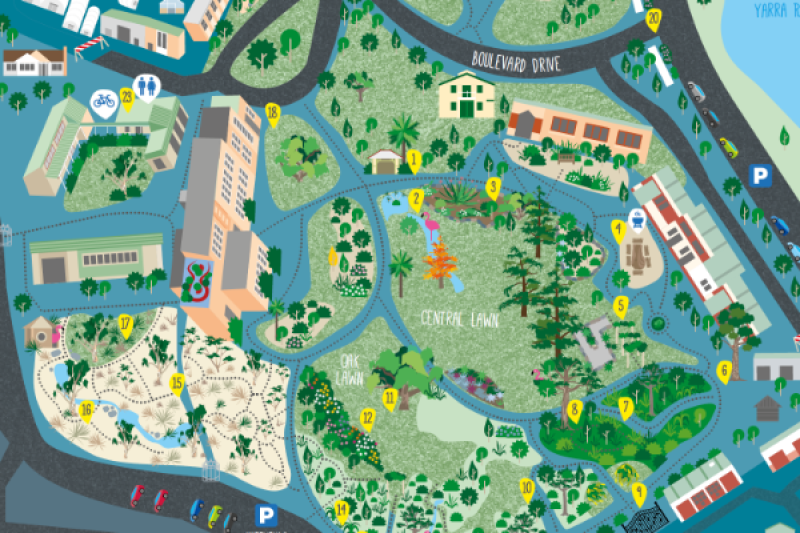
Get the map and explore the Burnley Campus
Burnley campus, a heritage-listed botanical wonderland, known for its century-old gardens and leadership in teaching and research in urban horticulture and green infrastructure.
The nine-hectares on Wurundjeri Land are open for the public to explore and enjoy.
Burnley Campus – what we do
We research plants, water and ecosystems in built and natural environments to address key issues in liveability, sustainability and climate change. We invite you to study, research and collaborate with us.
Research at Burnley
Burnley is home to green infrastructure and urban horticulture researchers who create and embed knowledge in smart design, construction and maintenance of green spaces, trees, parks, rain gardens, and green roofs and green walls in built environments to benefit people and biodiversity. Burnley is also home to urban hydrology and forest science researchers.
Teaching at Burnley
Burnley is Australia’s first school of horticulture (1891) and our teaching focuses on urban greening, green infrastructure, urban forestry, garden design, people-plant interactions, the ecology and biodiversity of cities and how to sustain flourishing urban vegetation.
Burnley in the media
Support the Burnley campus
The Burnley Campus has been a site for horticultural teaching and research since 1891 and a public green space for all to enjoy. Your gift directly supports teaching, research and outreach at the Burnley Campus and will ensure that the gardens continue to flourish and function as a living laboratory for urban greening and horticulture research.
Getting here
500 Yarra Boulevard, Richmond, Victoria 3121, Australia
Getting to Burnley
Burnley is approximately 5 km east of the Melbourne CBD.
- By bike, the Capital City Trail runs along the Yarra River next to campus, and bike parking is available behind the Student Amenities Building.
- By car, entry from Yarra Boulevard or Swan Street. Parking is available on Yarra Boulevard every day and additional parking is available off F R Smith Drive on weekends.
- By tram, take the route 70 tram from Flinders Street to stop number 18 on Swan Street.
- By train, the nearest stations are Burnley (and then tram or walk along Swan Street) or Hawthorn on the Alamein, Belgrave and Lilydale lines.