

Dean of Science
Message from the Dean
Aboriginal and Torres Strait Islander peoples are Australia’s first scientists, with deep and enduring knowledge of the land, waters, and skies, accumulated for more than 65,000 years. We are privileged to work and learn every day with Indigenous colleagues and partners.
The University of Melbourne has built its reputation for excellence in scientific education, research and outreach for about 170 years. Today, the Faculty of Science is home to around 1,500 academic and professional staff members and more than 16,000 students annually.
We excel in more than 40 scientific disciplines and deliver more than 50 courses across undergraduate, honours and graduate degrees, training creative and critical thinkers with the skills for diverse careers and emerging sectors. Each year, we publish more than 3,000 peer-reviewed papers that describe fresh approaches, new discoveries, radical insights, and novel technologies, and translate these into real-world action and solutions.
Tackling unprecedented global challenges, we partner with many other research organisations, educational institutions, industries, governments and communities around the world to inform, drive and enable positive change. Through school outreach programs, public events and media engagement, we share our knowledge and love of science with a wide audience. We explore big questions and potential answers, discuss the latest research, and empower people to help build a better world.
We recognise that excellence comes in many forms, spanning ways of thought, cultural and ethnic backgrounds, gender, and discipline. This diversity is essential to deliver a globally leading science experience. At the core of our success is our focus on an inclusive environment for all in our community.
Please join the conversation and start your Science at Melbourne journey today.
Professor Moira O'Bryan
Dean of Science
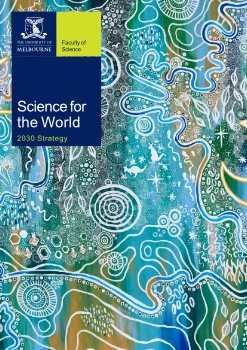
Our 2030 Strategy: Science for the World
Developed with passion and skill by diverse staff, students and stakeholders across 2024-2025, this document articulates our Faculty’s Purpose, Vision and Values and integrates our Research and Education Strategies with a suite of strategic priorities in key portfolios. Aligned with the University’s Strategy, Science for the World defines our collective strengths, opportunities and ambitions to expand our leadership and positive impact in the global knowledge economy.
Download the full strategy
Or explore our key portfolios below.
Purpose, vision, values and key portfolios
Purpose, Vision and Values
Developed by our staff and students, our Faculty’s Purpose is the ‘why’ that inspires us, our Vision is ‘what’ we aim to achieve, and our Values are the ‘how’ aligning our path with our core beliefs and behavioural standards.
Read our values
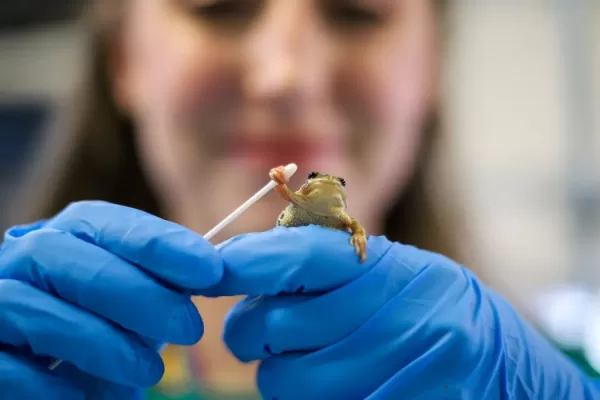
Research
The breadth and depth of our research expertise is recognised globally. With state-of-the-art facilities, interdisciplinary innovation, and international partnerships, we’re tackling the world’s big challenges.
Explore our research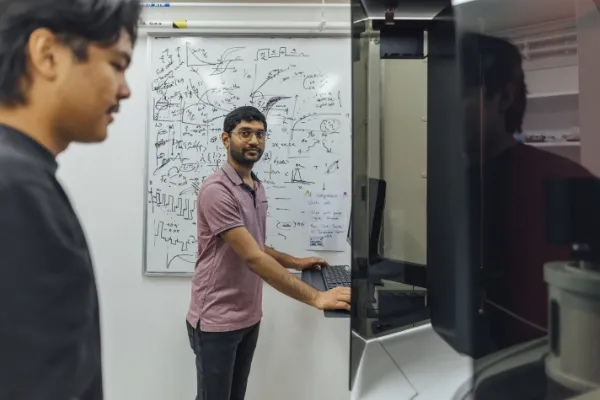
Education
We leverage our world-class academics, diverse industry partners, distinctive campuses and cutting-edge facilities to deliver transformative education that is research-connected, experiential, and relationship-rich, fostering future-ready graduates.

Diversity and inclusion
We strive to be a safe, supportive and just organisation of choice for staff and students, where everyone is included, valued, respected, and encouraged to fulfil their potential with equitable access to opportunities and networks.

Indigenous initiatives
We are creating a culturally safe and welcoming environment, increasing Indigenous participation and leadership across the Faculty, and strengthening reciprocal partnerships with communities to lead Indigenous knowledge and engagement.
Learn more about our Indigenous initiatives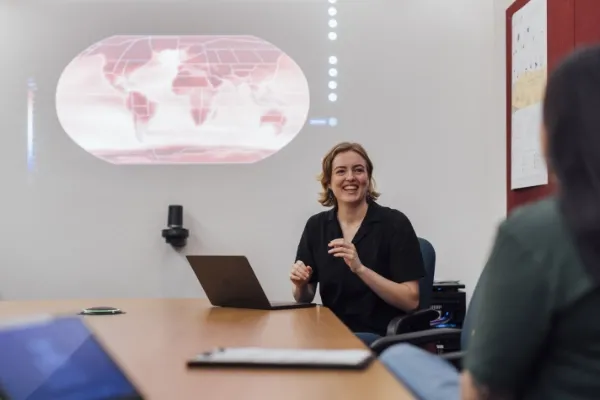
Environment and sustainability
From everyday operations to long-term impact, we focus on action for a healthy planet, including climate change understanding and adaptation, biodiversity restoration, and transition to a renewable energy future.

Future-ready infrastructure
Across our campuses, we will deliver sustainable, flexible and future-ready infrastructure for world-class research, education and engagement. Our precincts will thrive as hubs of collaboration and innovation for lasting, positive impact.
Global engagement
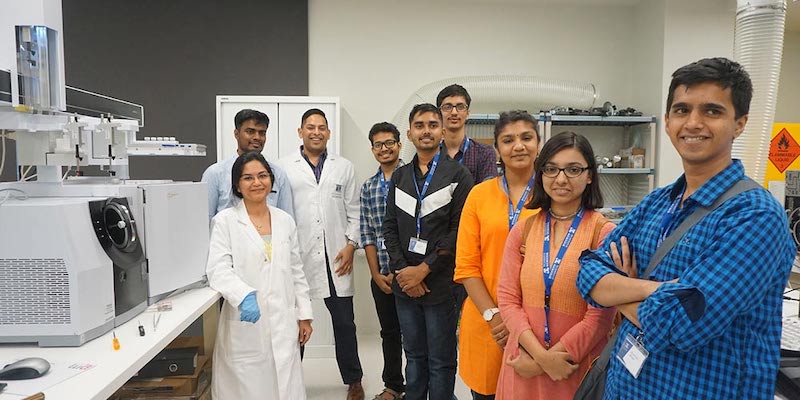
We attract outstanding students, staff and collaborators from around the world, enhance our international students’ experience, and deliver globally impactful research and education through emerging and enduring international partnerships.
Learn more about our global visionOur Schools
Defined by broad fields of science, united by our Faculty’s shared purpose, and connected by many cross-disciplinary initiatives, our seven schools are engines of excellence in research, education and outreach. Find detailed information on each school’s people and their avenues of discovery and impact below.
Our Institutes
These interdisciplinary research hubs connect experts across the University with industry, government, and communities around Australia and the globe. Leveraging the diverse skills and perspectives of members and partners, our institutes challenge current thinking and provide new solutions to local and global problems. The Faculty of Science hosts the following:
Learn more about us
-
Our history
Scientific thinking at the University dates back 160 years, and in 1903 the Faculty of Science was established. Read more about our early pioneer thinking and discoveries that have paved the way for modern research.
-
Our leadership team
The Faculty is led by the Dean and supported by the Leadership Team, including directors, heads of schools and associate deans.
-
Our campuses
We sit across five of the University’s seven campuses – Parkville, Burnley, Creswick, Dookie and Werribee. This reach provides us with different perspectives and leading facilities that benefits our teaching and research.

Always by Kirsten Clark
Always, an artwork created by artist Kirsten Clark, reflects the connection Indigenous people have always had to this country and their deep knowledge of the land, water and skies. This connection is referenced in the Faculty of Science’s ‘Acknowledgement of Country’.
Contact the Faculty
If you're an academic, a current or potential student or a member of the media or the general public, find out how to get in touch with us.