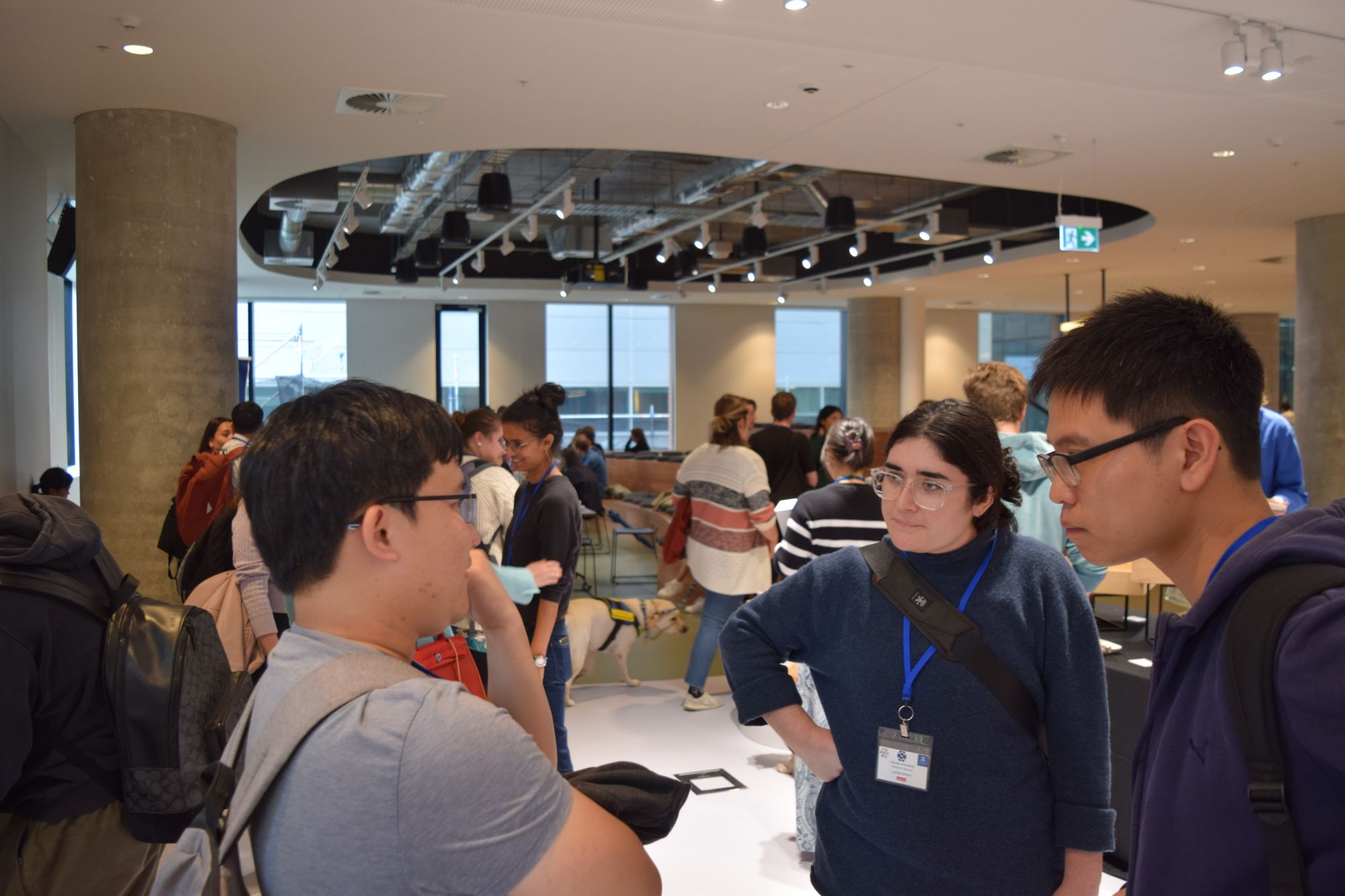
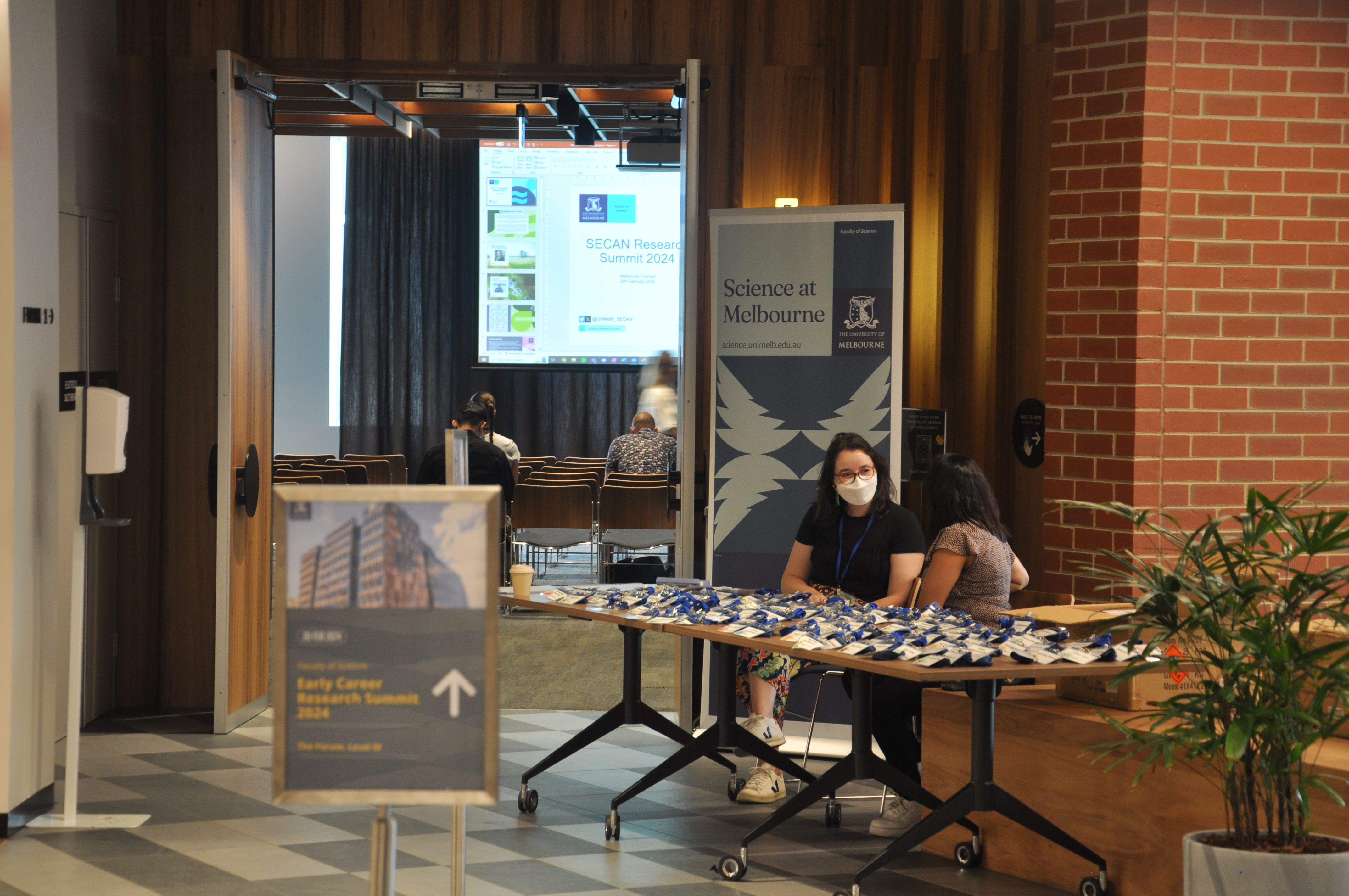
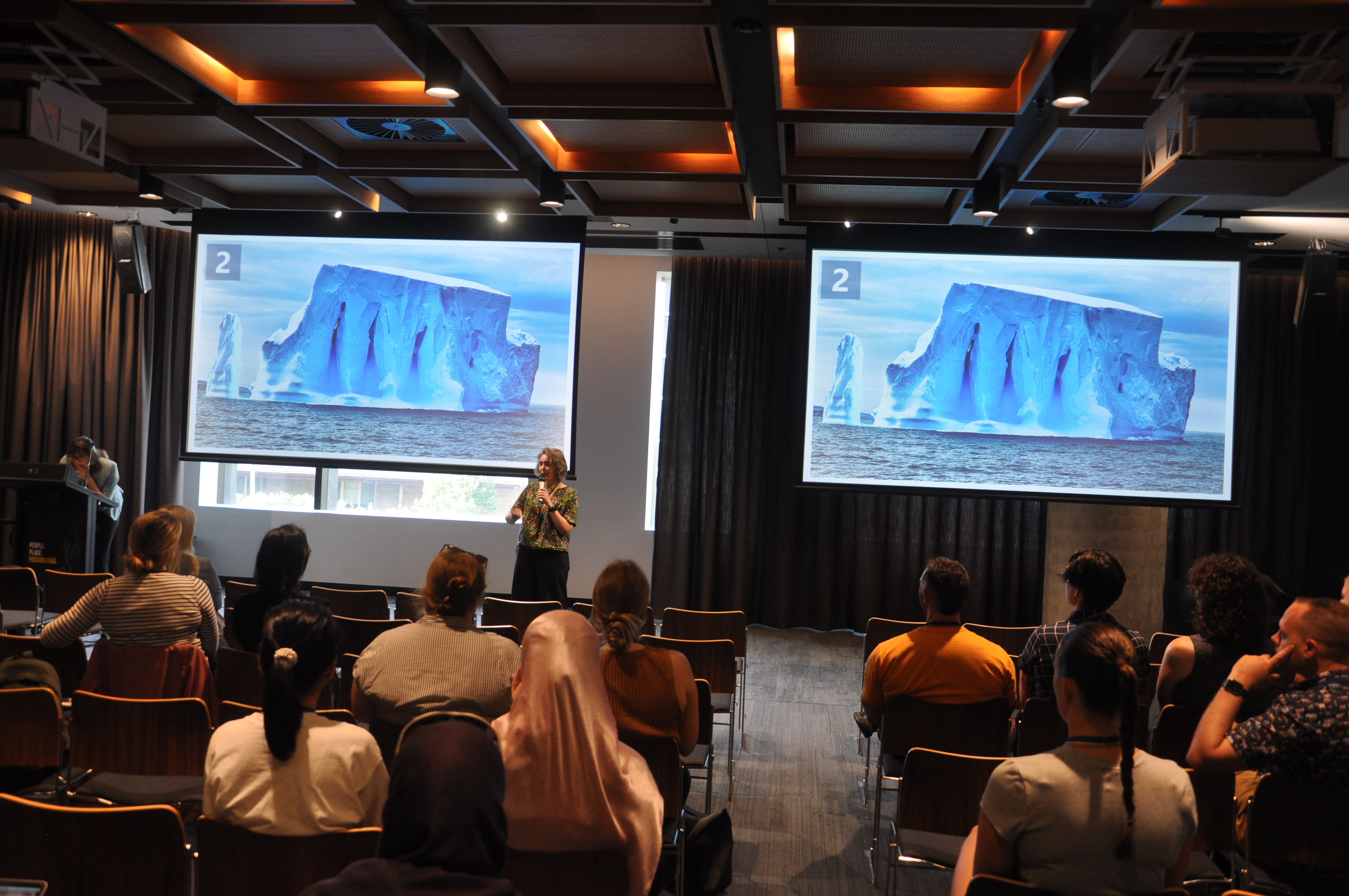
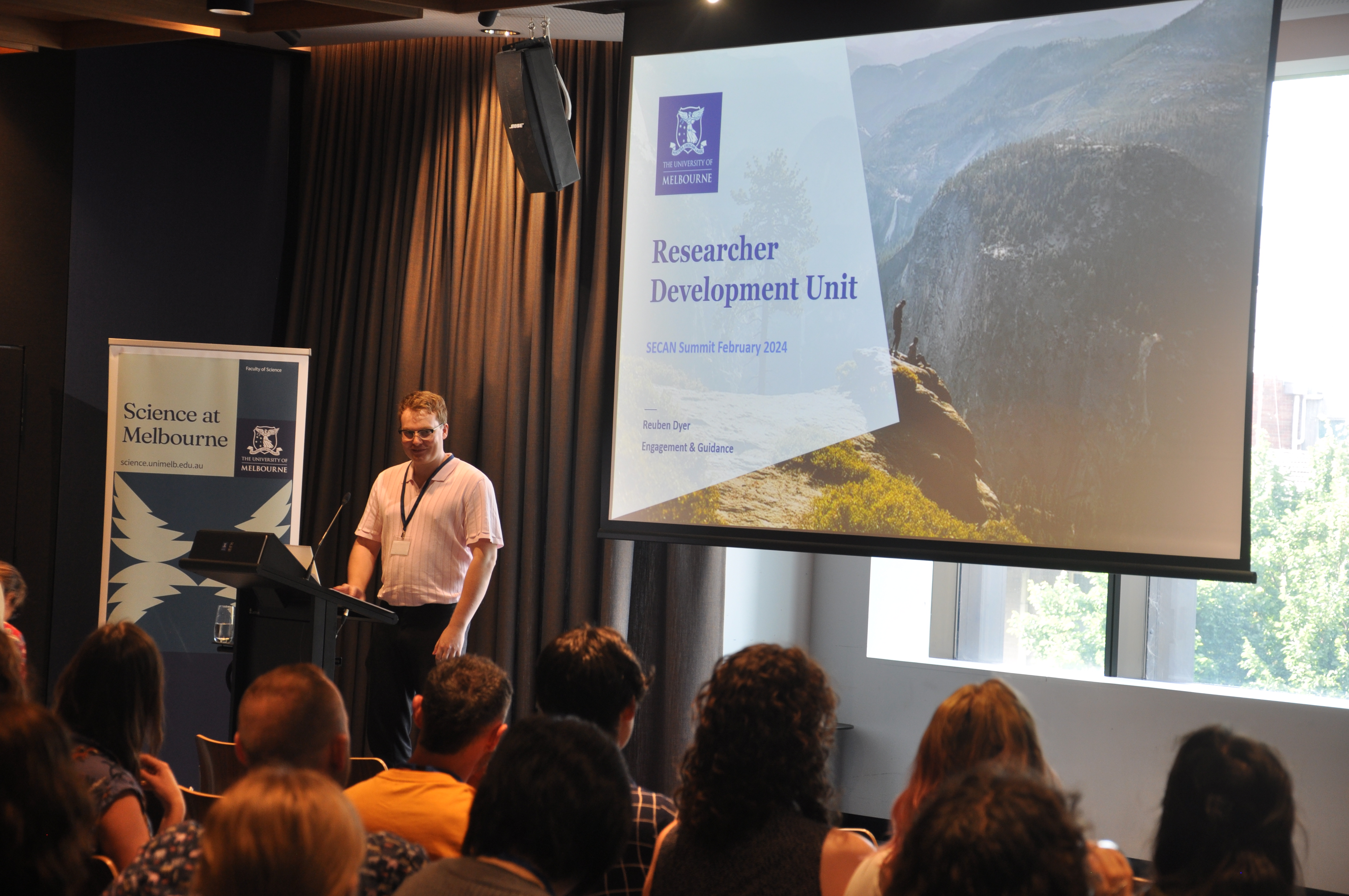
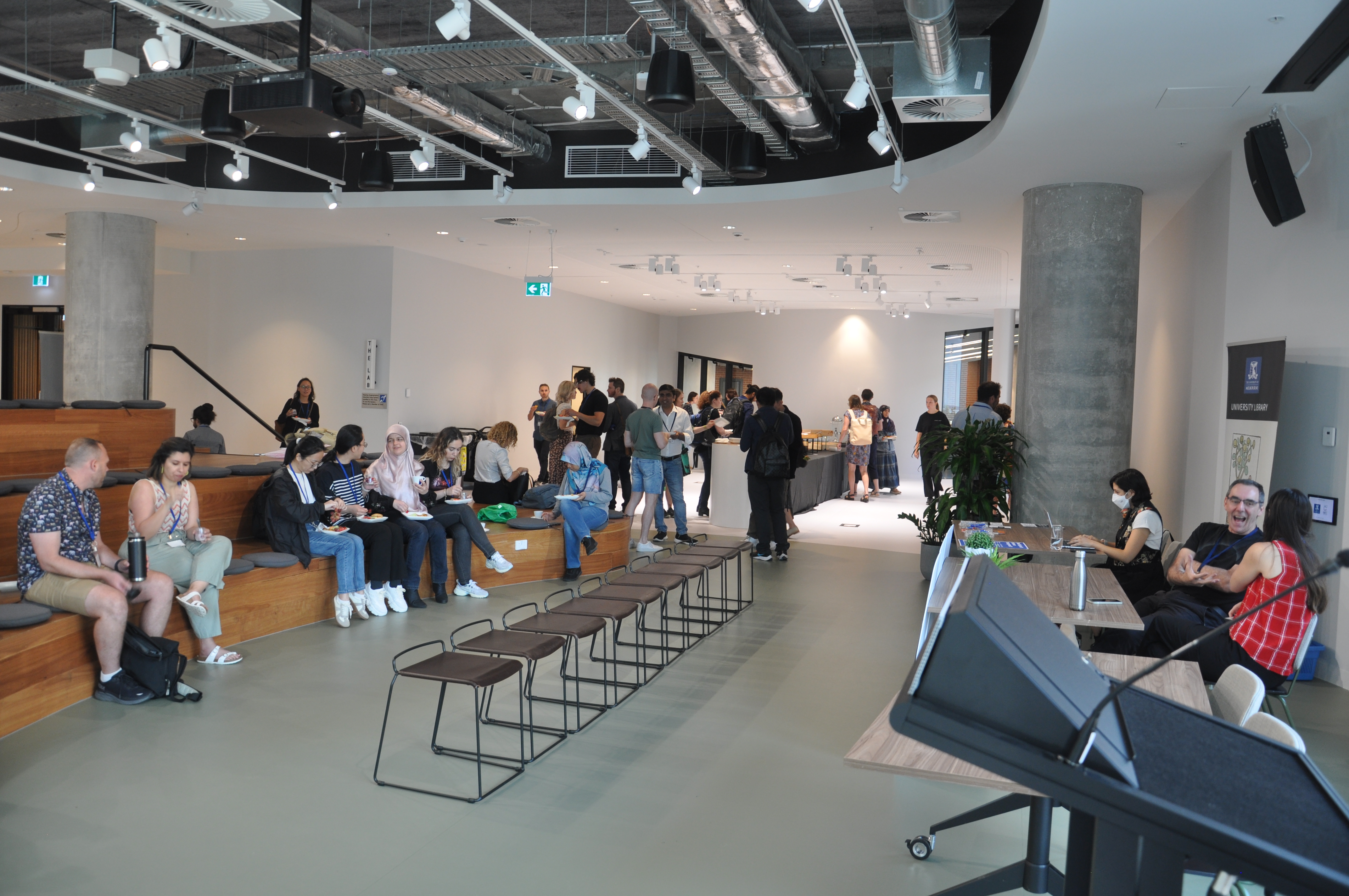
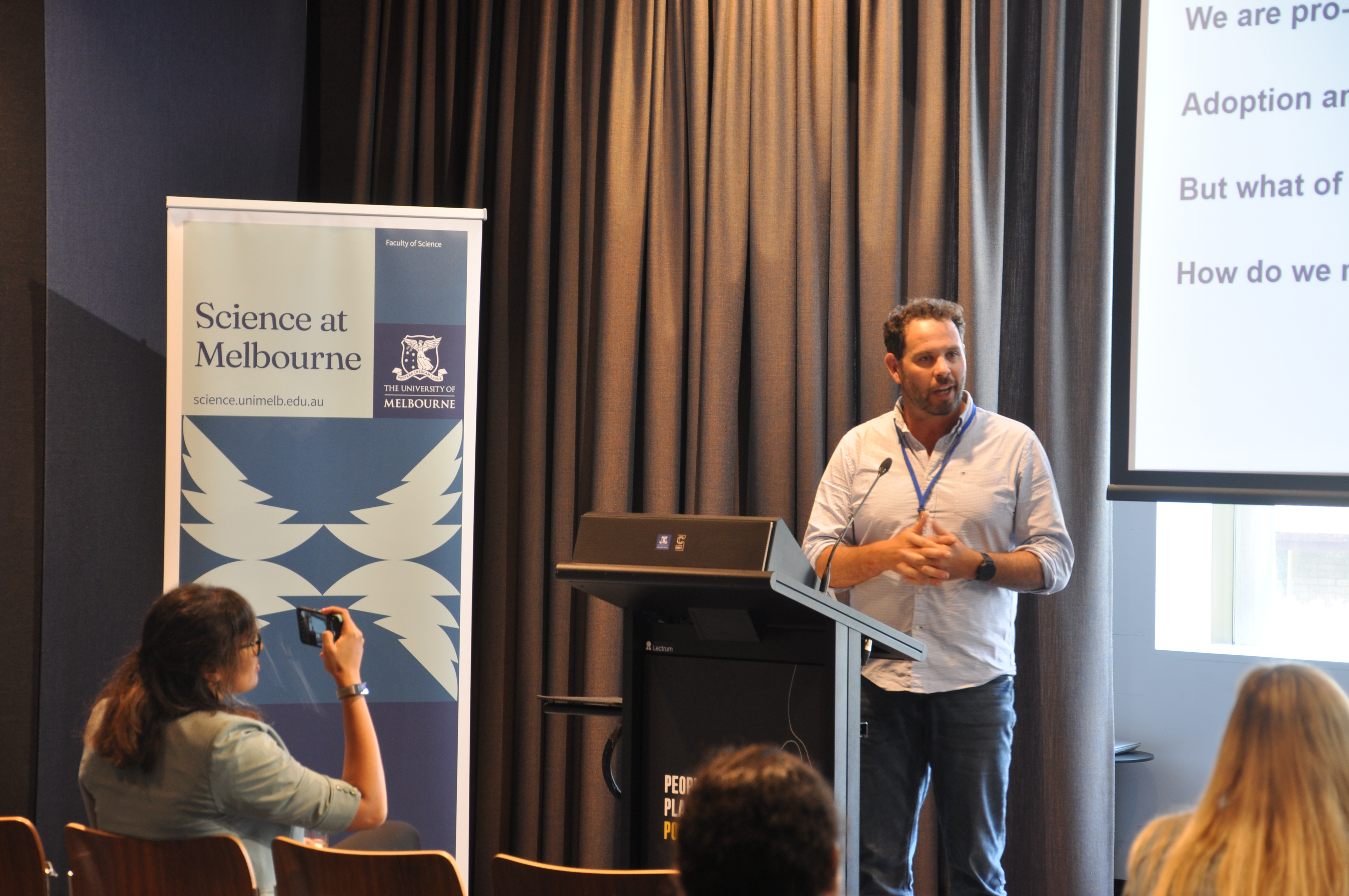
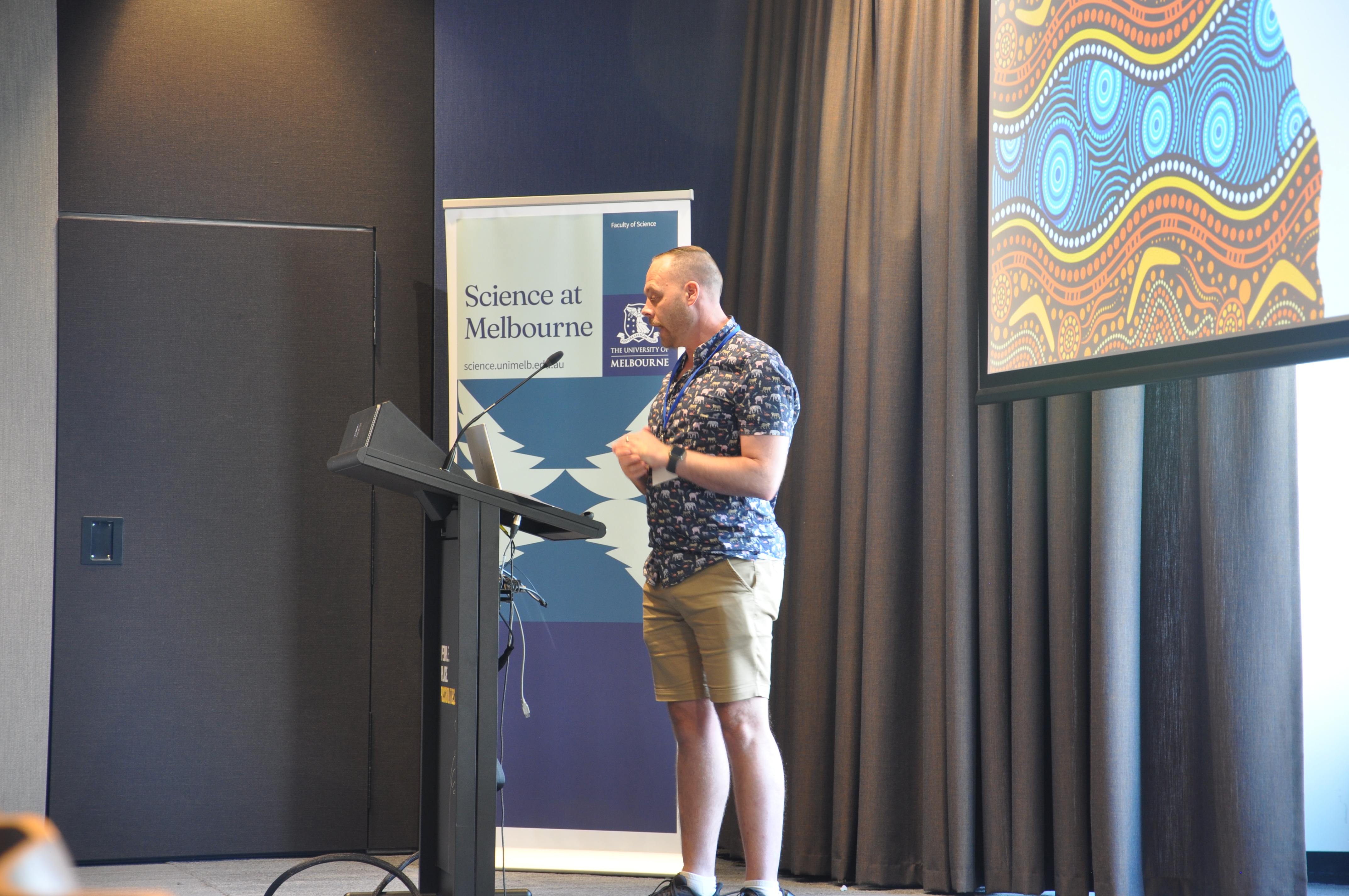
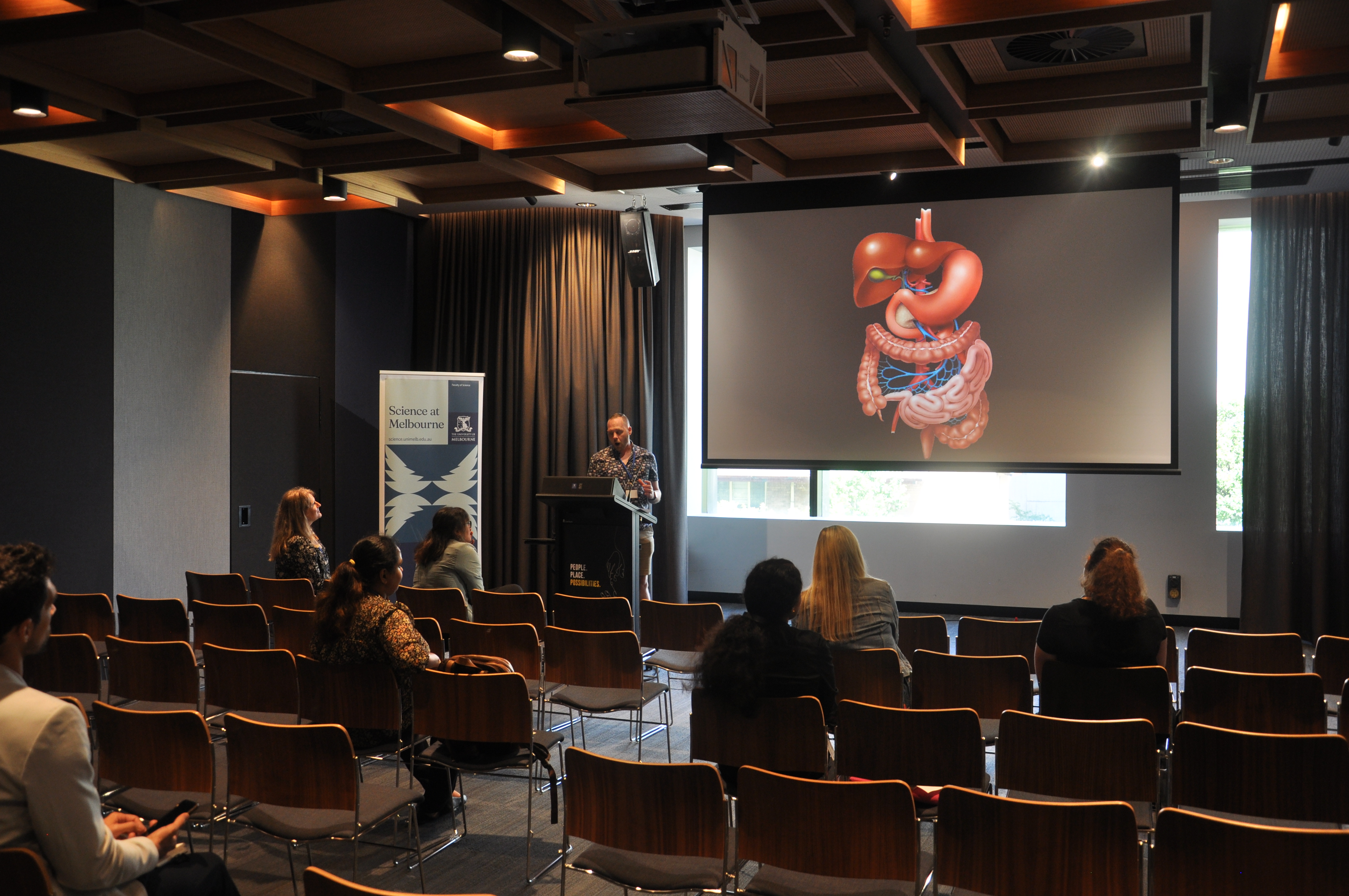
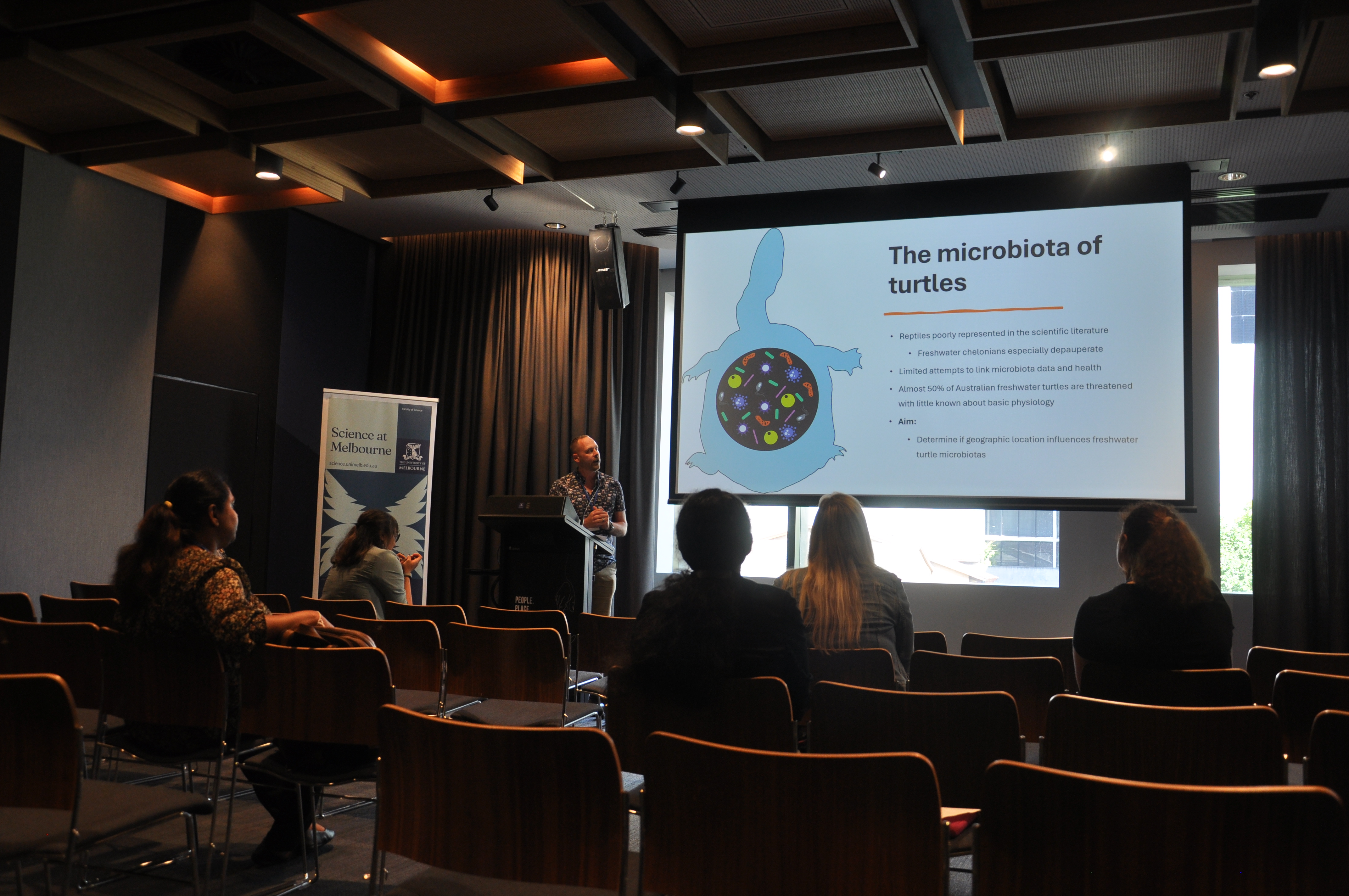
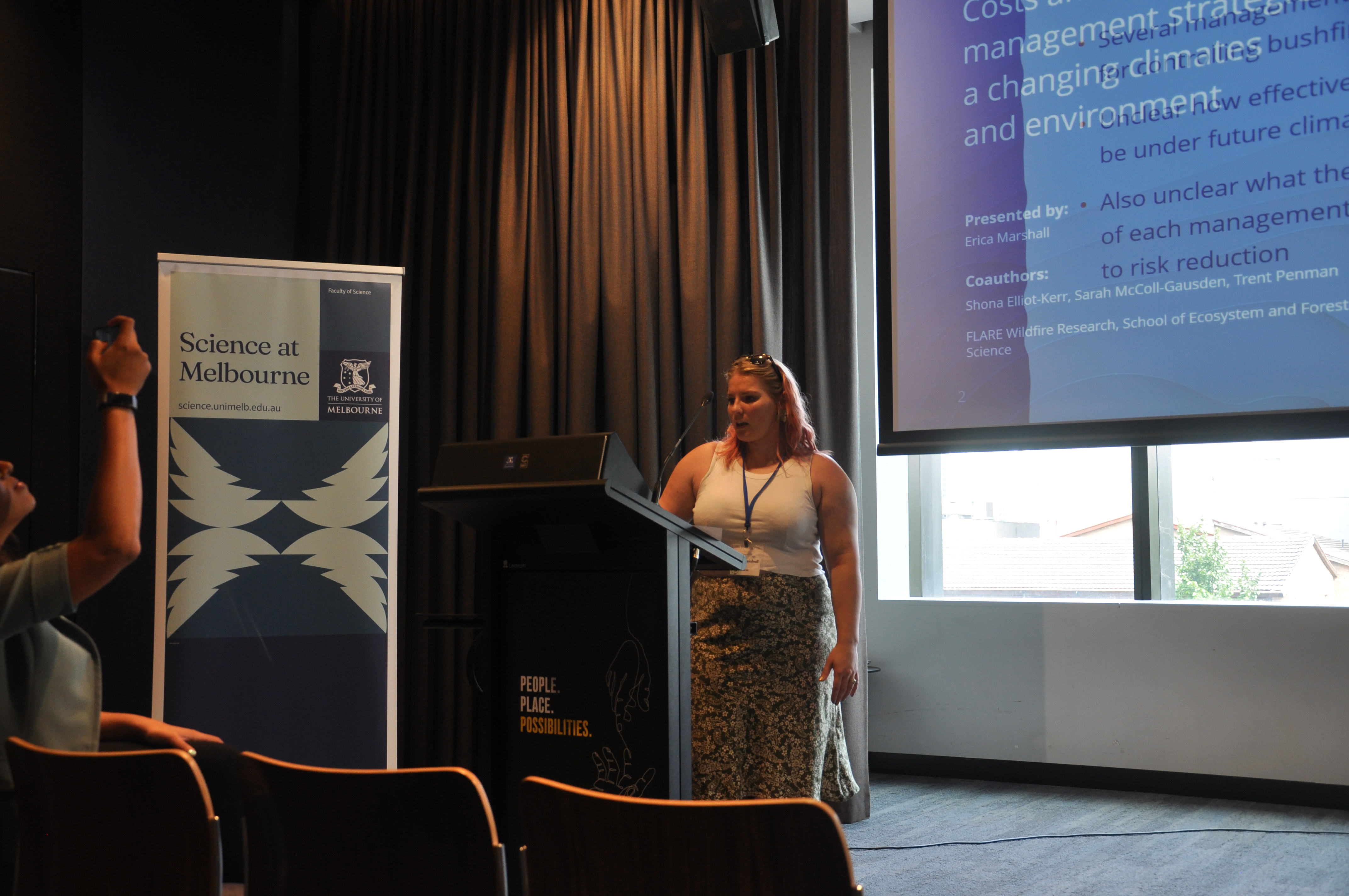
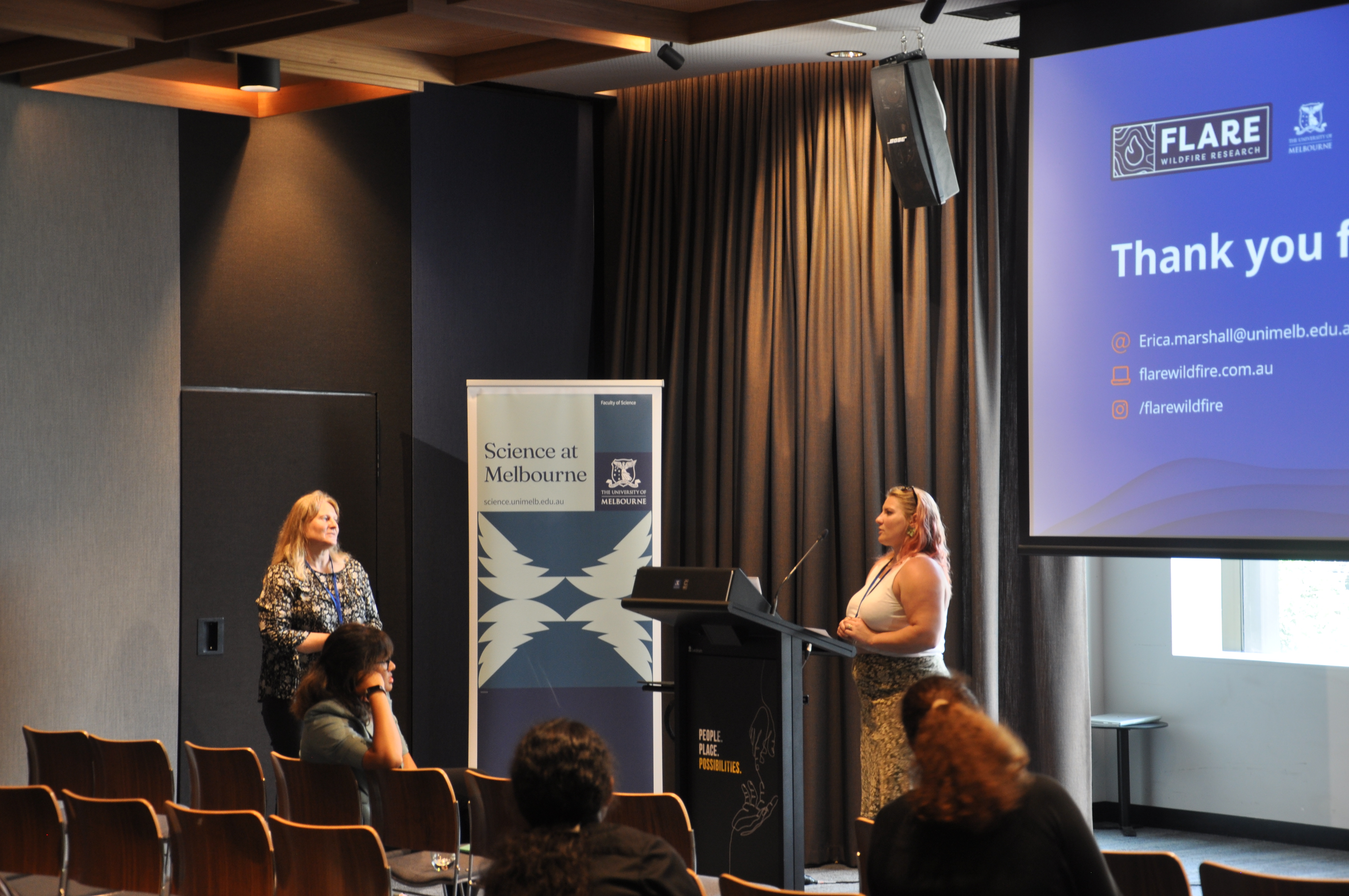
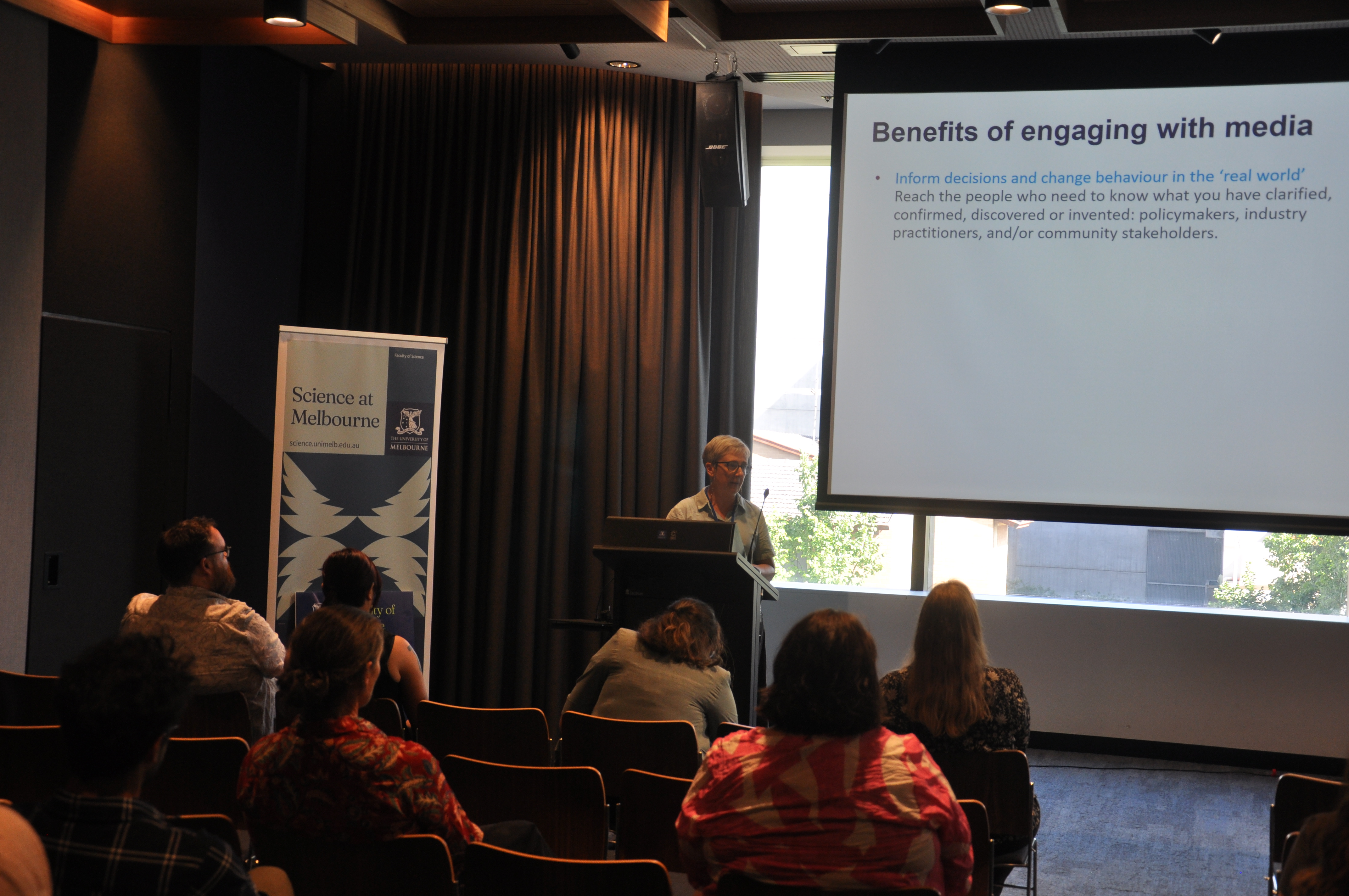
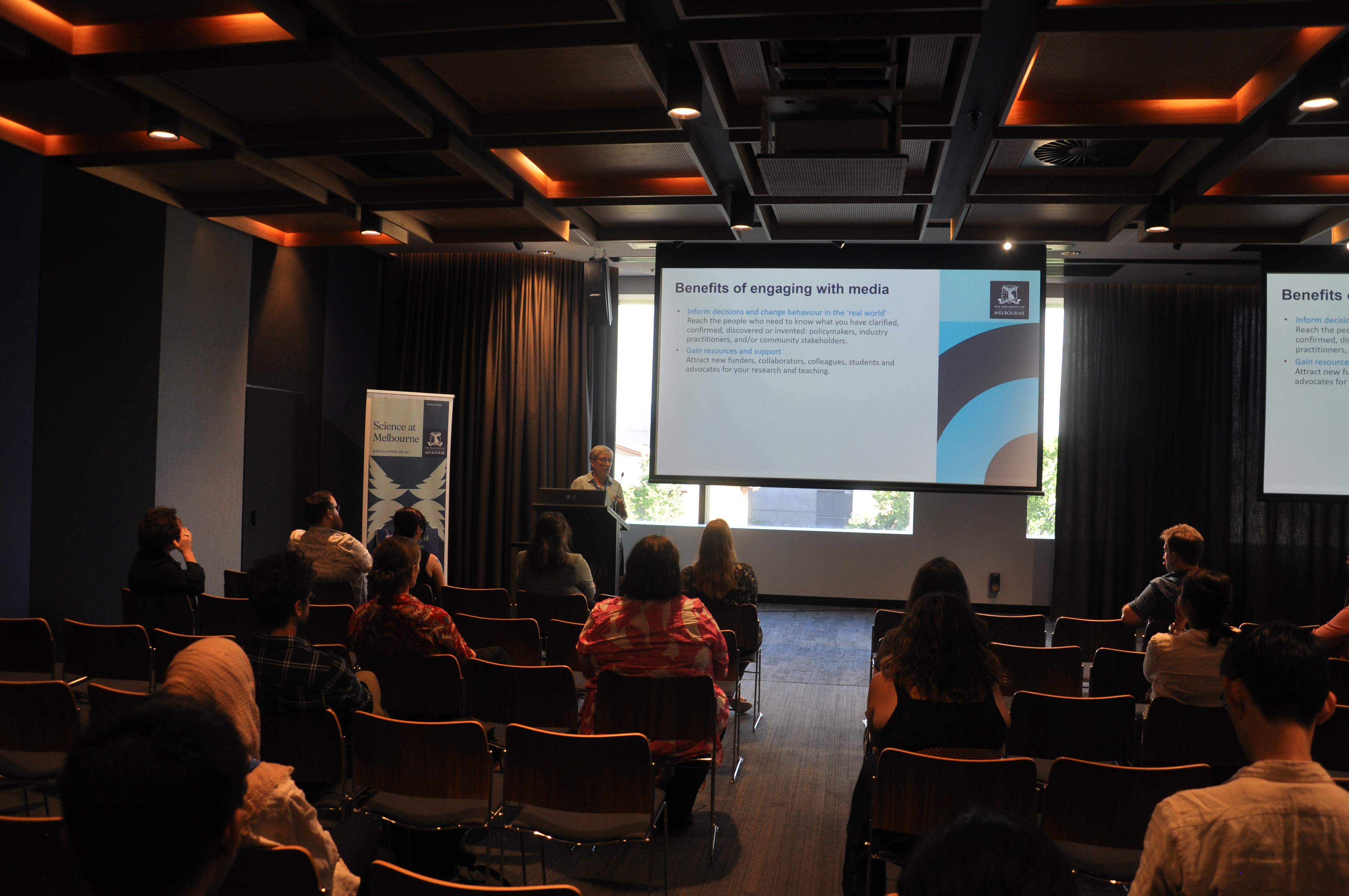
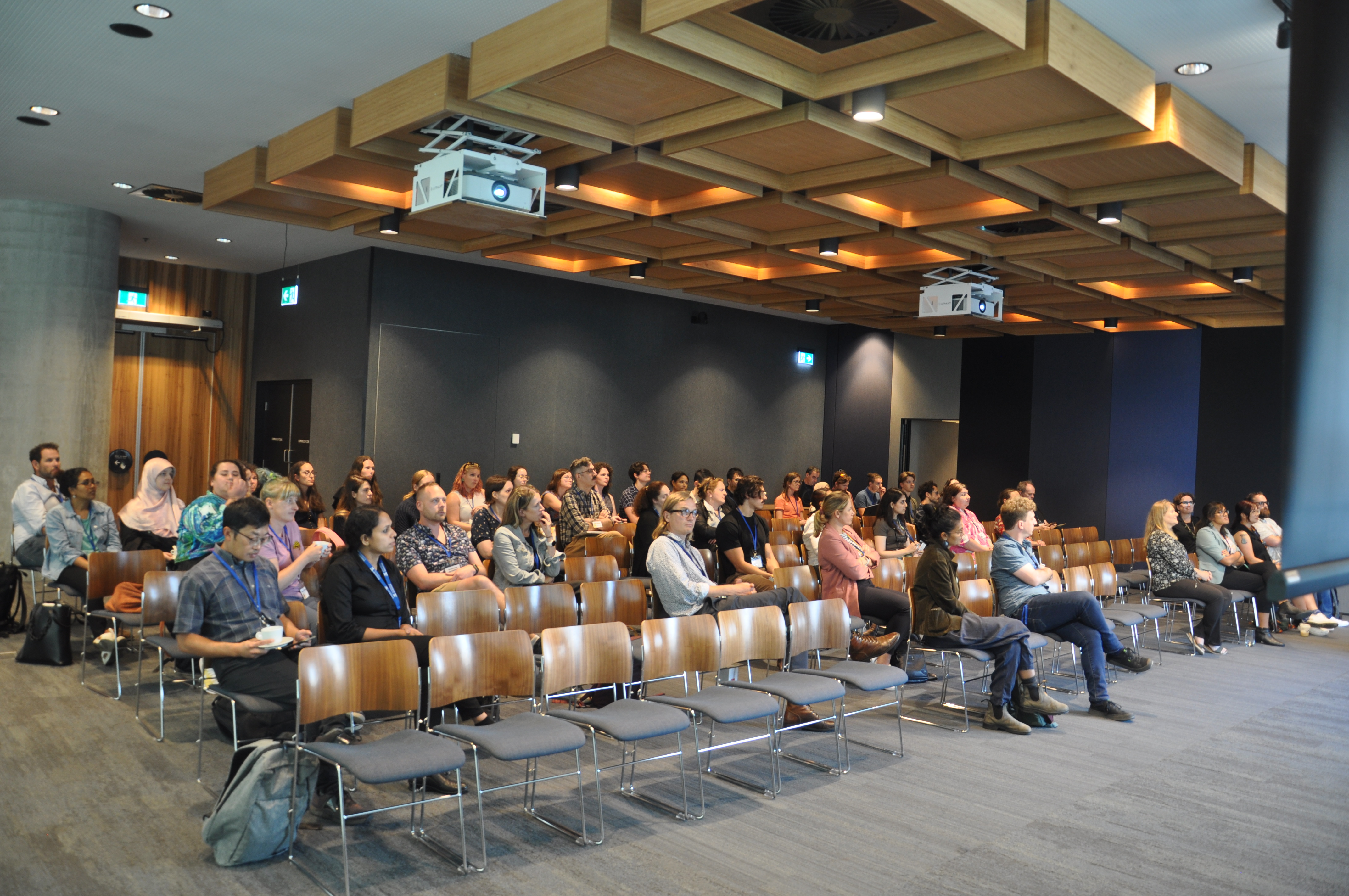
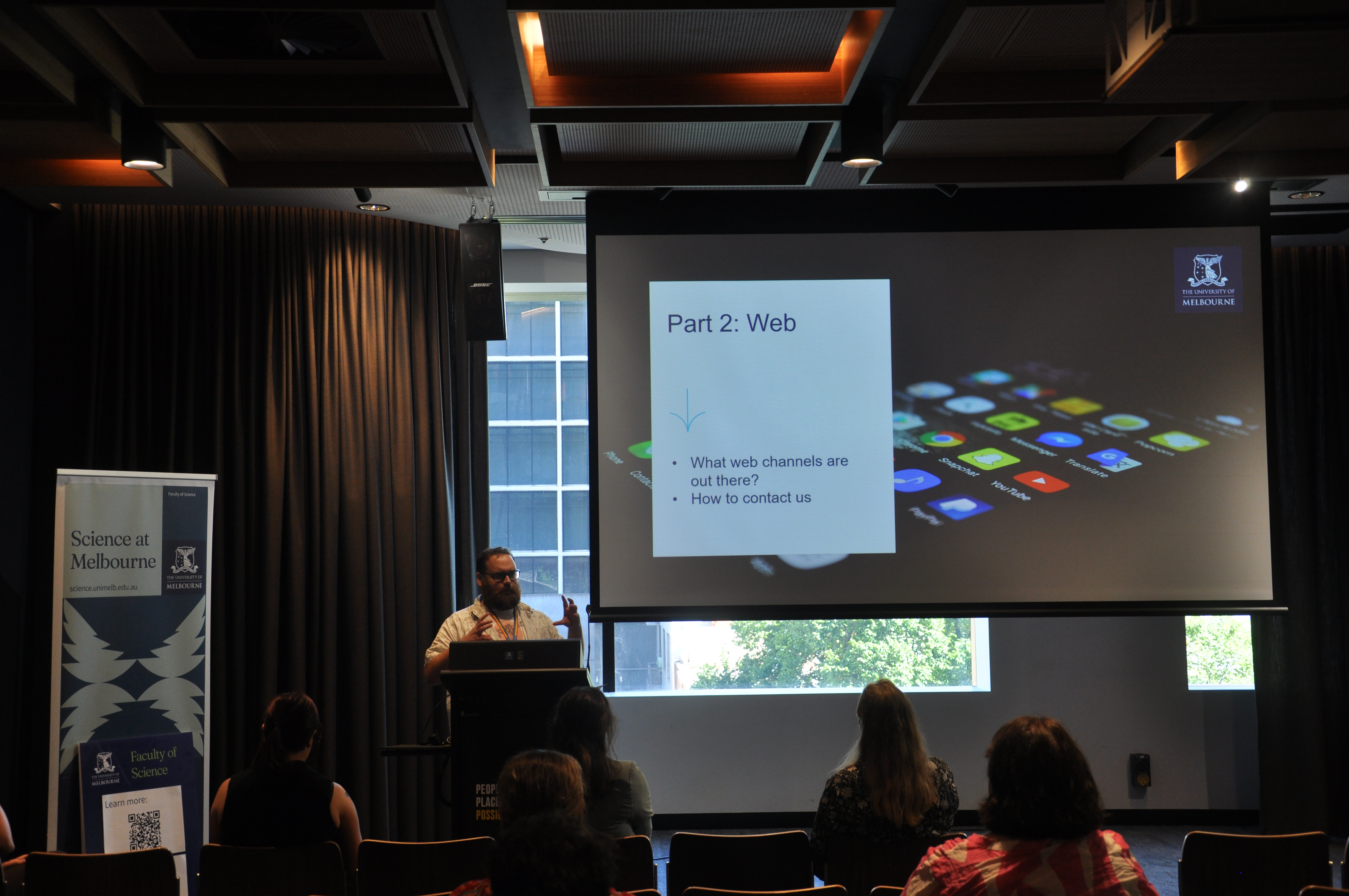
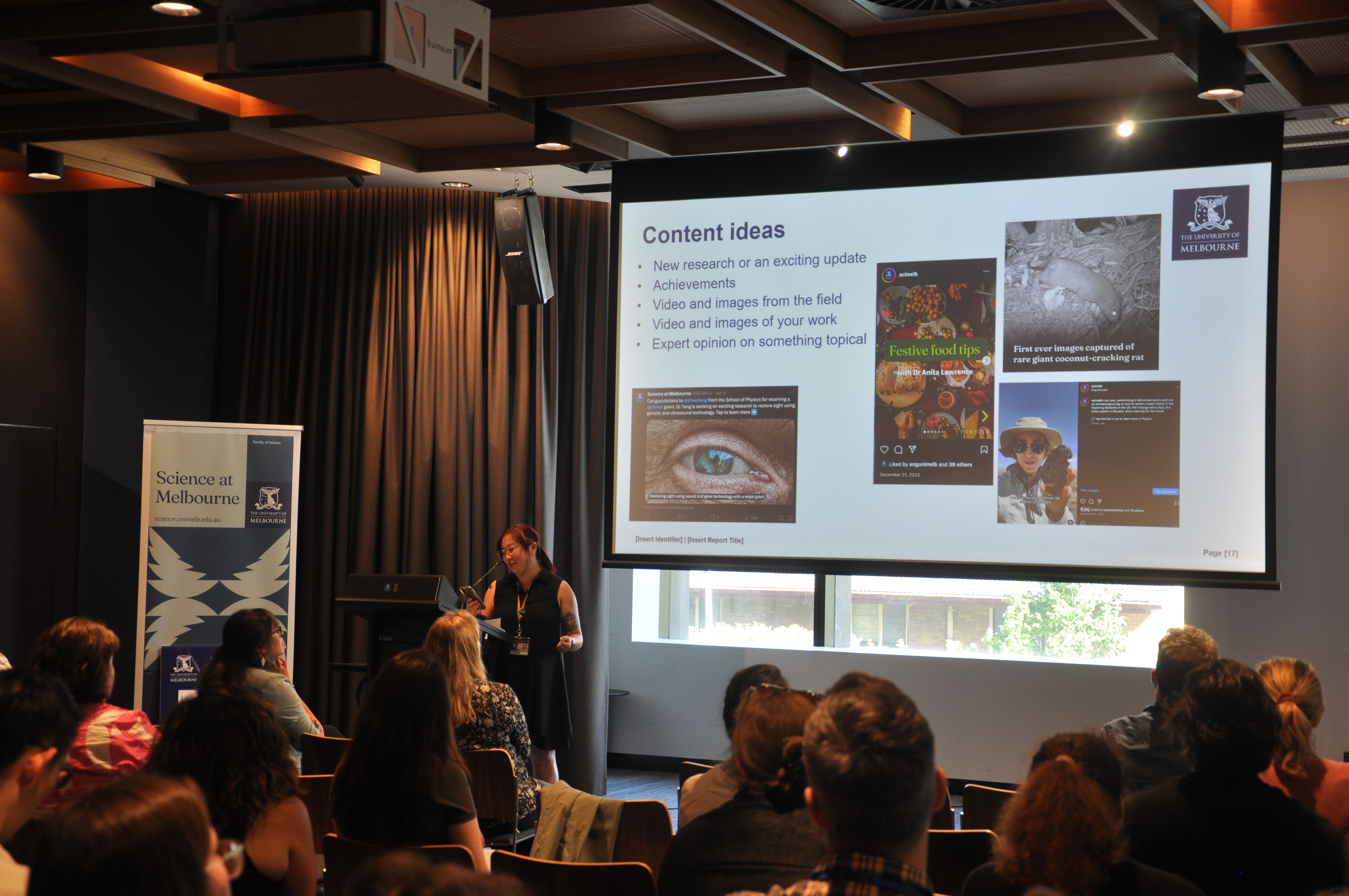
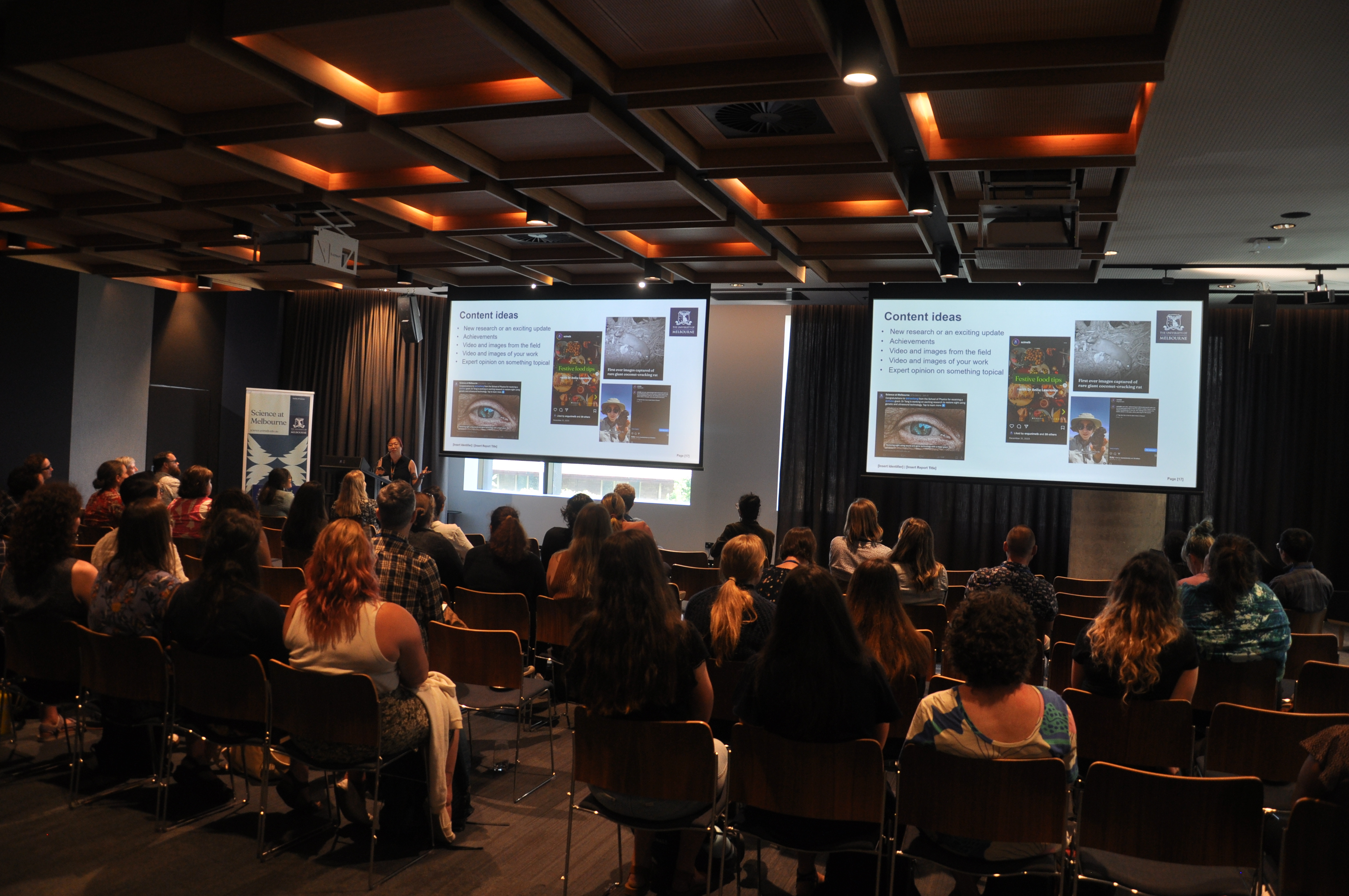
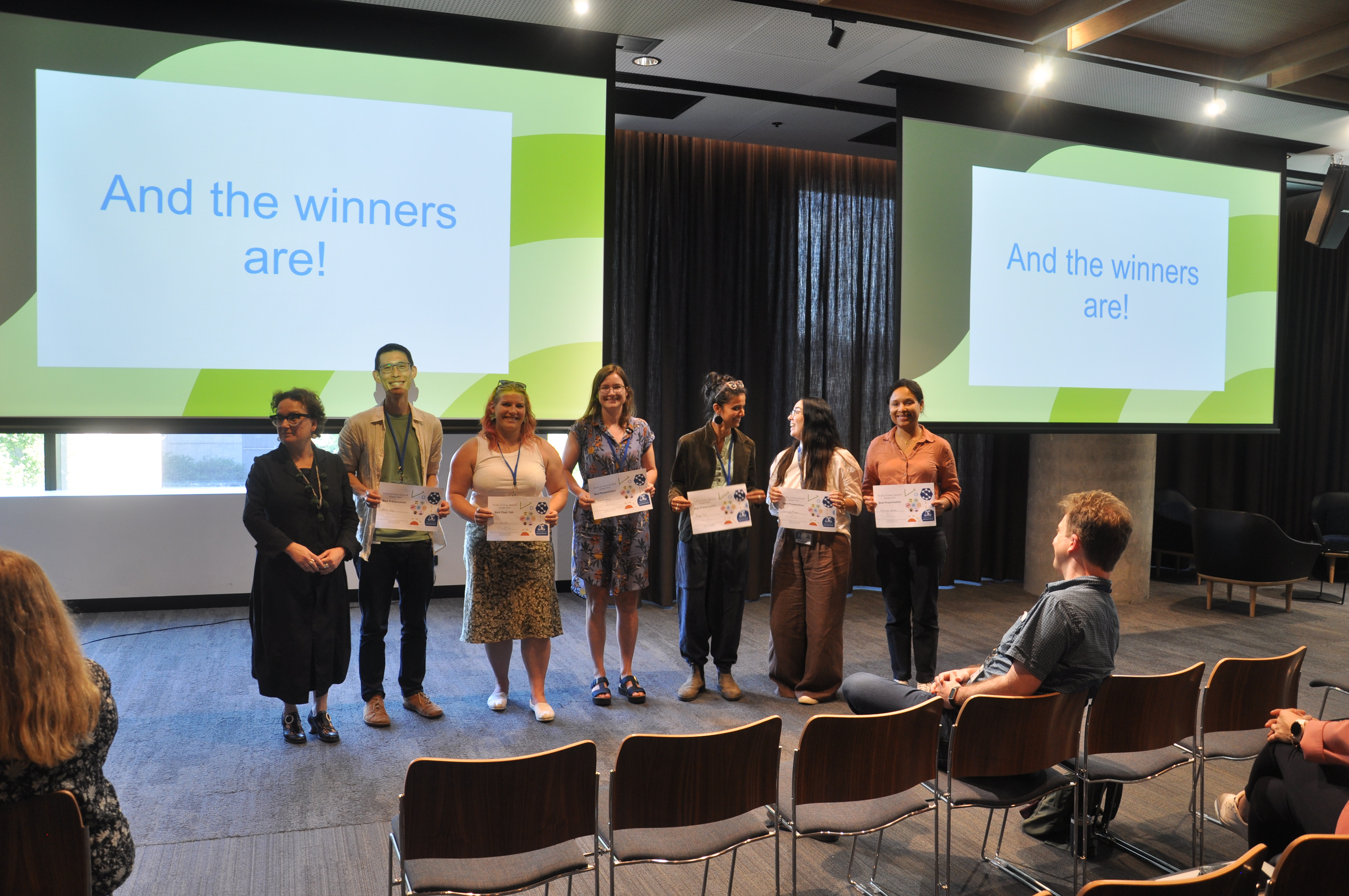
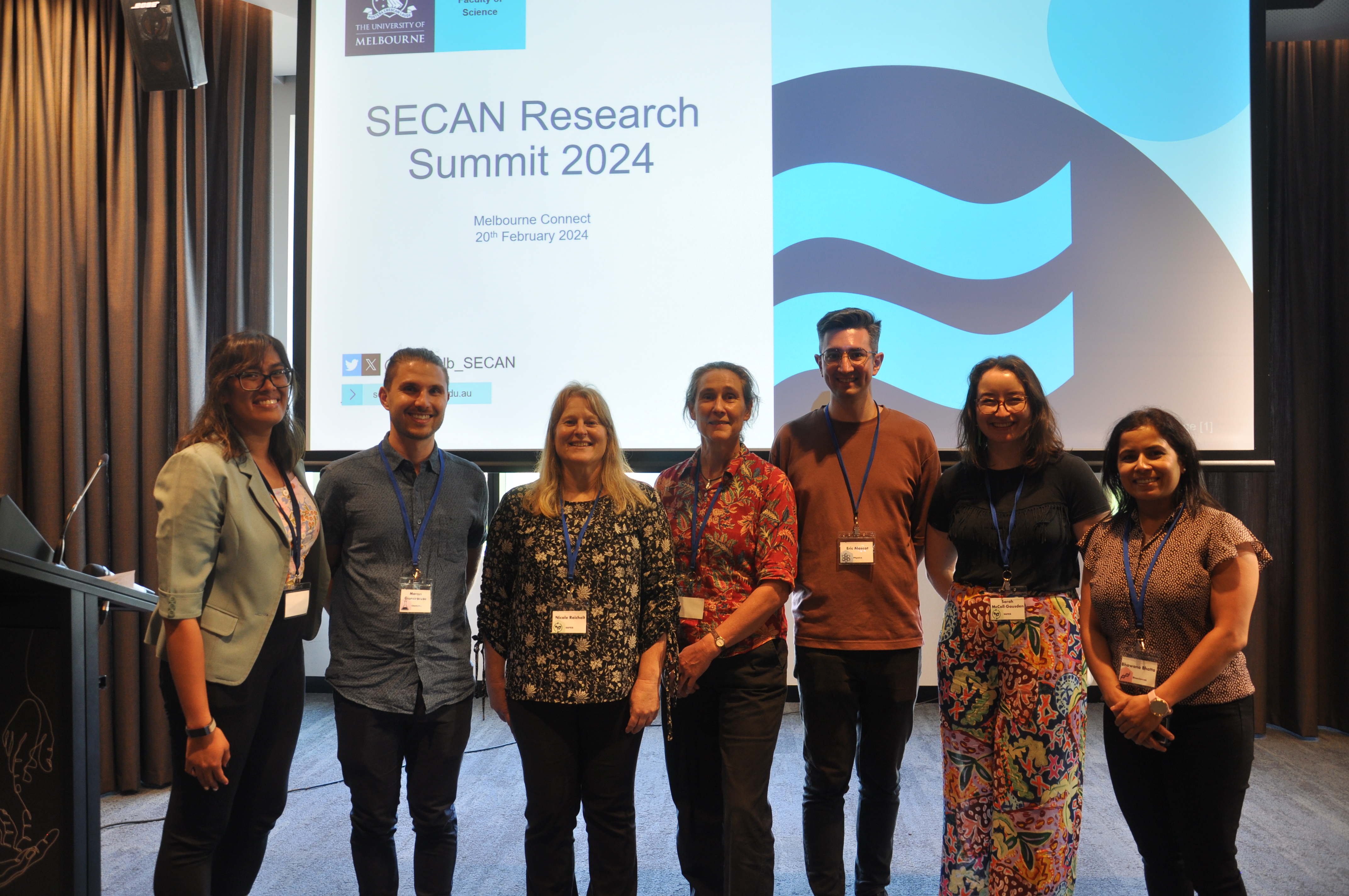
Conference photos

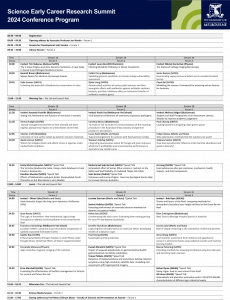
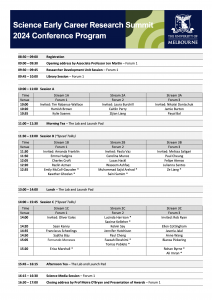
Download the Schedule
2024 special guests

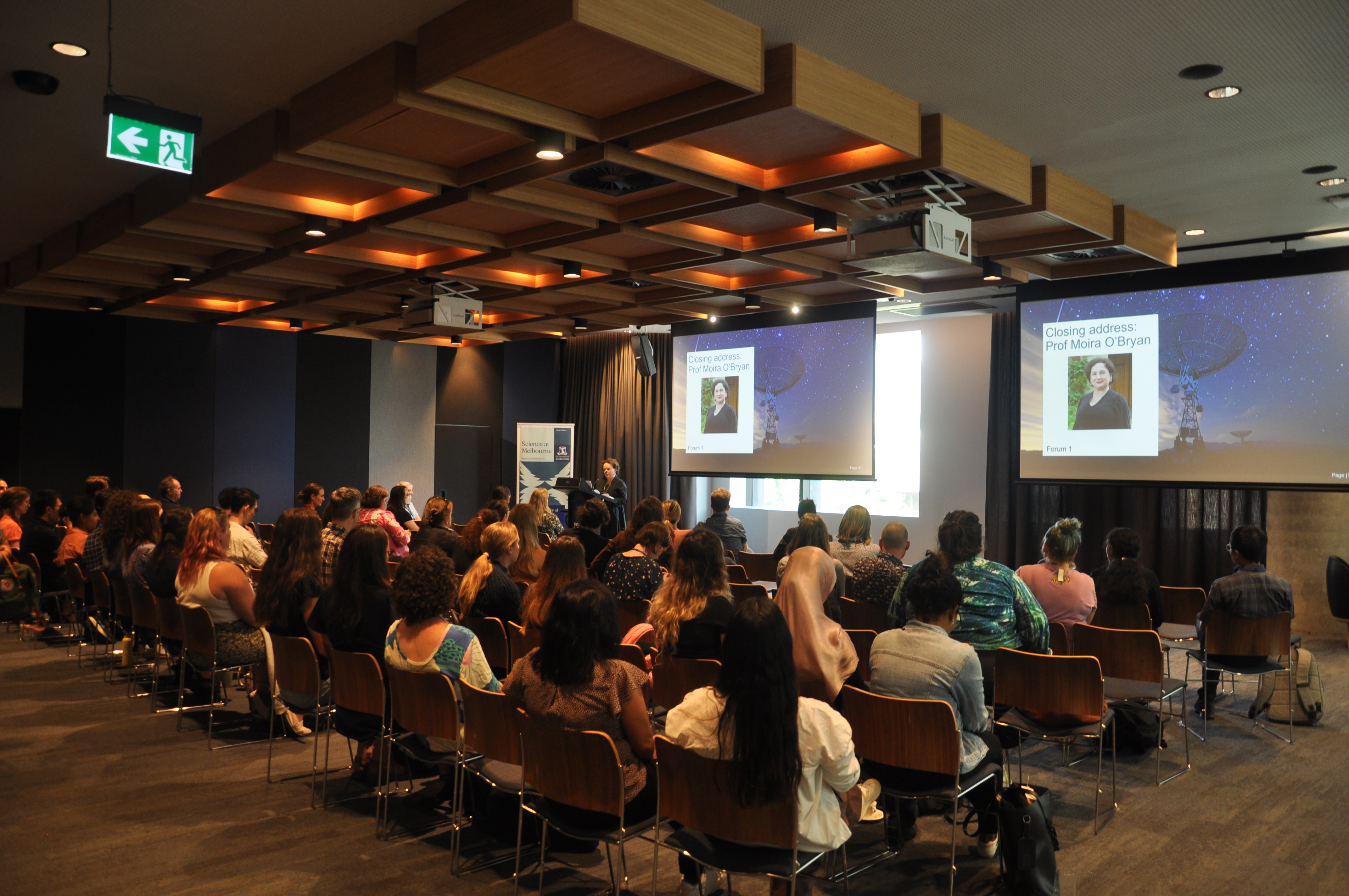
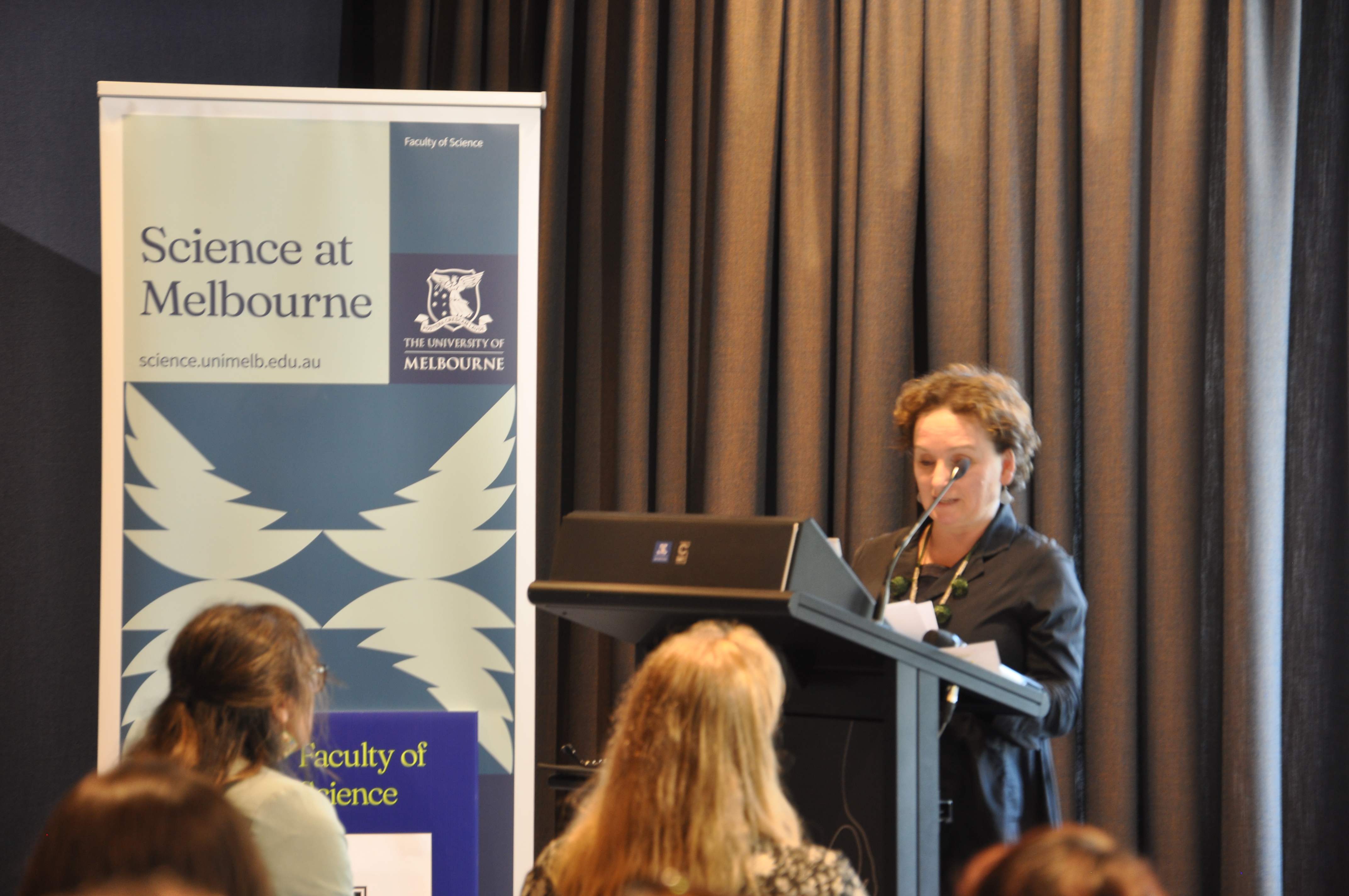
Professor Moira O’Bryan
Closing Address
Professor Moira O’Bryan is Dean of Science at the University of Melbourne. Prior to her appointment in December 2020, she was Head of the School of Biological Sciences at Monash. Professor O’Bryan is a developmental biologist and reproductive biologist. Her research is focused on the genetic causes of human male infertility, the processes by which sperm are produced, and the relationship between sperm structure and function across species. Professor O’Bryan has received research awards from the Australian Academy of Science, The Fertility Society of Australia, The Endocrine Society of Australia, and the Society for reproductive Biology. She has a passion for mentoring young academics and creating employment opportunities for the underrepresented. In 2017, in recognition of her efforts in this area, she was awarded the Monash Vice Chancellor’s Diversity and Inclusion Award.
Professor O’Bryan has actively promoted science through her position as a past national director of The Australian Society for Medical Research, and as a member of the Australian Academy of Science National Committee for Cell and Developmental Biology. She has made significant contributions to the infrastructure of Australian medical research through the establishment of The Australian Phenome Bank and the Australian Centre for Vertebrate Mutation Detection, the Monash Male Infertility Repository and the Australian Phenomics Network.

Associate Professor Helen Suter
I am a soil scientist working in the agricultural sector, investigating the impact of nitrogen management on food production and the environment. I have been interested in soil science since my undergraduate days when I studied a Bachelor of Agriculture at the University of Melbourne. After completing my PhD (in soil science) I was employed as a soils consultant in a small Melbourne based consultancy where I benefited greatly from mentoring and a diverse range of opportunities and experiencing the ‘real world’. I then spent four years at home with children (three of them now) before returning to Melbourne University as a part time researcher (Level A) working on a small research project. I am now a full time Teaching and Research academic (Associate Professor), a journey that took around 14 years, teaching soil science in the Bachelor of Agriculture, and undertaking research in Australia and overseas. I am Deputy Director of the ARC Hub for Smart Fertilisers and have led large projects in Government funded National research programs on greenhouse gas emissions and nitrogen cycling in soils. I feel privileged to be part of a large research group where I enjoy working with colleagues and students in a supportive environment on research, teaching and career development.

Associate Professor Jen Martin
Meet Dr Jen Martin, award winning science communicator, teacher and ecologist. Jen founded the University of Melbourne’s Science Communication program, was named Unsung Hero of Australian Science Communication for 2019 and recently won the David White Award for Teaching Excellence. Jen is a faculty member of the Homeward Bound program, an Australian-based global initiative that empowers women in STEM through leadership training. In 2019, as part of Homeward Bound, she and 110 other women formed the largest ever all-female expedition to Antarctica. Jen is also a co-host of 3RRR’s Sunday science show, Einstein-a-go-go and every Wednesday morning she presents the Weird Science segment on 3RRR Breakfasters.
2024 invited speakers

Dr Tim Rabanus-Wallace
Tim is an evolutionary biologist and bioinformatician with a special focus on crop plants. He has worked on late glacial climate change ecology, ancient plant DNA, genome assembly (of cereals in particular), genebank genomics (of chillies and cereals in particular), the domestication of cereals, improving agriculture, and various other things. Following his PhD at the University of Adelaide, he worked at IPK Gatersleben in Germany for five years, and is currently an ARC-DECRA fellow in the Crop Genetics and Molecular Evolution Laboratory (CropGEM) at the University of Melbourne, exploring the genetic consequences of domestication, running the lab's bioinformatics infrastructure, and contributing the voices of various elves and mages to the weekly Dungeons and Dragons session.

Dr Nikolai Dontschuk
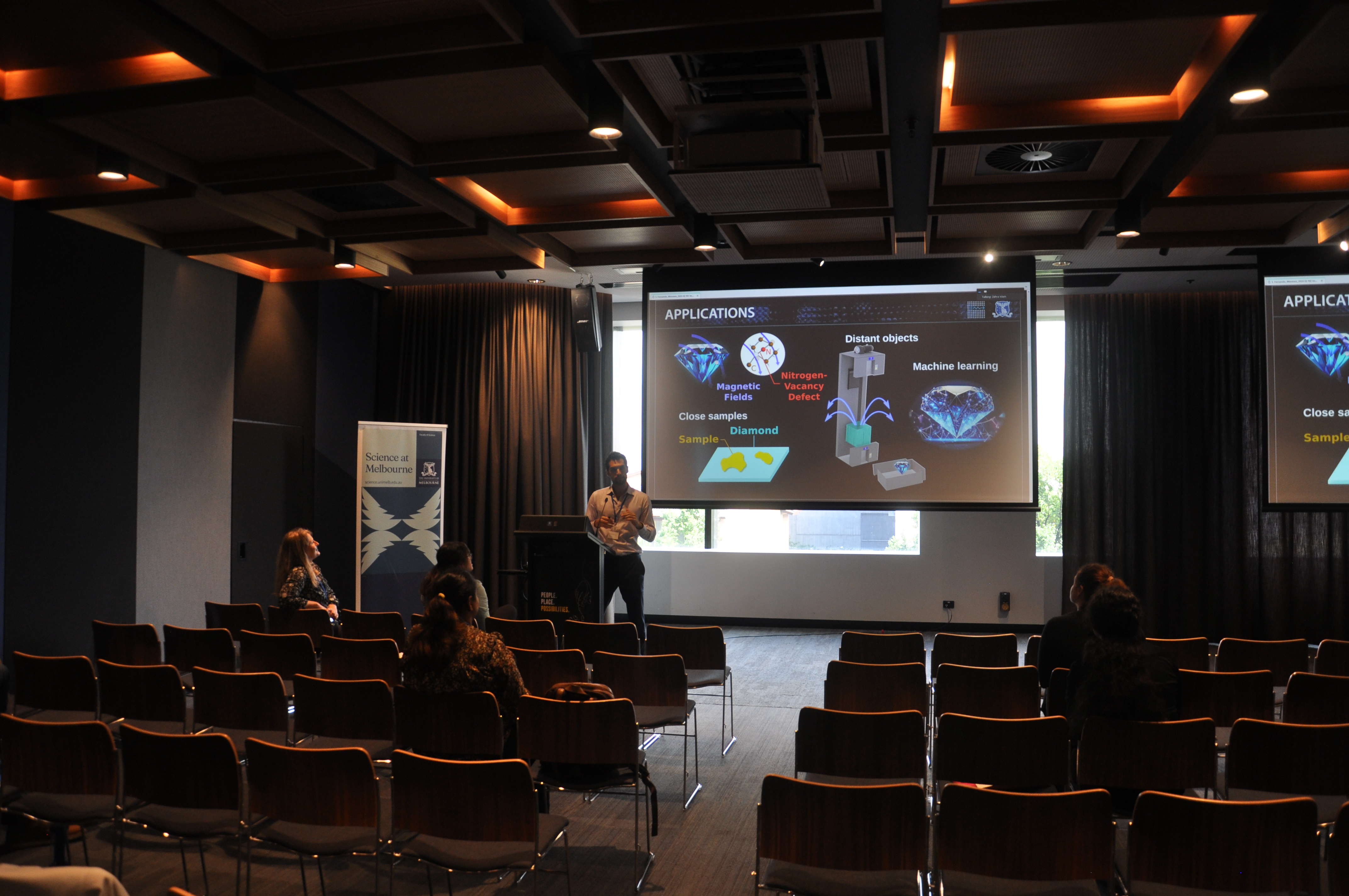
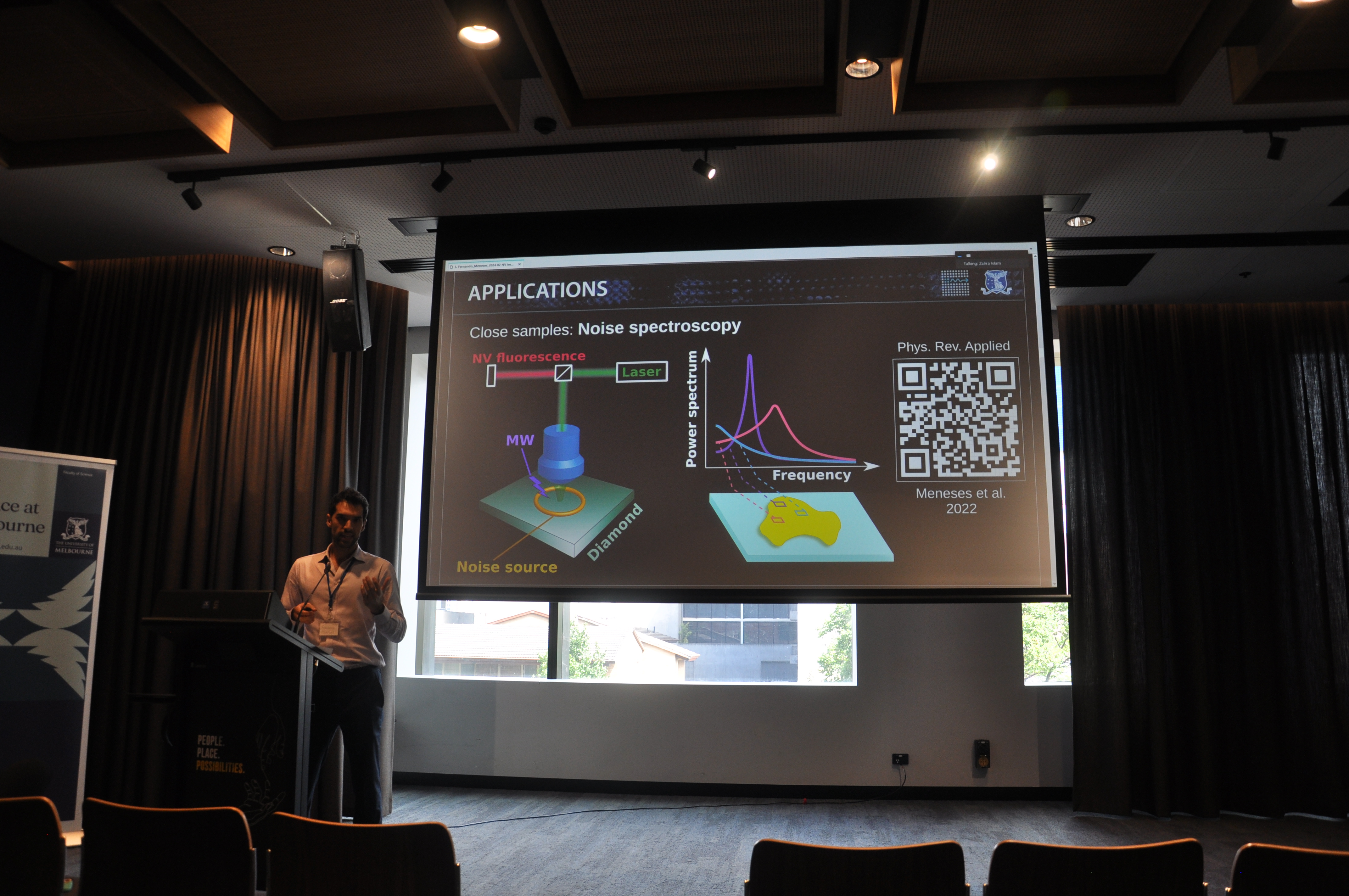
Nik is physicist with a deep interest understanding and controlling the atomic nature of material surfaces. It turns out this obscure focus is key for manipulating the near surface region to enable breakthrough applications in quantum sensing. Utilising nitrogen vacancy colour centres near the diamond surface, he's developed novel magnetic field imaging techniques to probe electrical and magnetic properties of thin materials. He is currently working at the intersection of biology, physics, academia and entrepreneurship to translate a recent invention, the diamond voltage imaging microscope, into a tool that changes what is possible with in vitro electrophysiology for neuroscience.
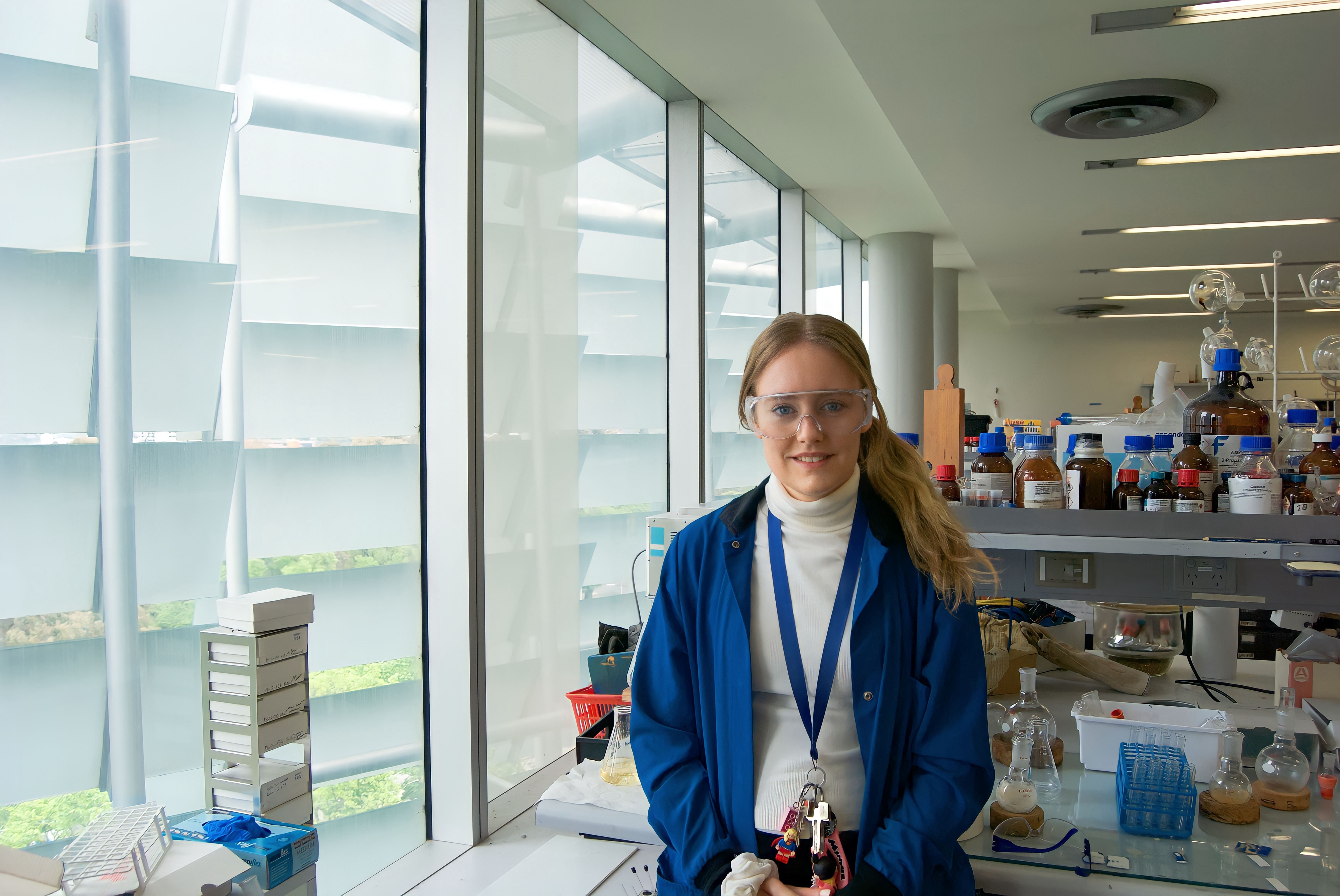
Dr Laura Burchill
I am an Elizabeth Vernon Puzey Postdoctoral Fellow working in the School of Chemistry. I am a chemical biologist exploring complex chemical networks and microbial interactions, and how these interactions influence ecological relationships, behaviour and evolution. My research background is in synthetic organic chemistry, and my current work uses chemical synthesis to uncover new metabolic pathways in the ocean. Looking ahead, my research interests lie in chemical ecology. I aspire to use my training as an organic chemist to improve our understanding of how chemistry underpins Earth’s ecosystems.

Dr Amanda Franklin
Dr Amanda Franklin is currently a Melbourne Postdoctoral Fellow in the School of BioSciences. Her research aims to link ecological function and evolution of animal colouration with visual neurophysiology of observers. Currently, Amanda is investigating how movement impacts function and perception of animal colours, and the mechanism and function of far red vision. Her approach involves using cutting edge equipment (e.g. 3D animation, high speed imaging, angle-dependent reflectance measurements) as well as incorporating techniques from diverse fields such as ecology, evolutionary biology, behavioural ecology, physiology, bioengineering and biomechanics. In addition to providing fundamental insights into ecology and evolution of animal vision and colour, Amanda is interested in identifying applied outcomes for her research.
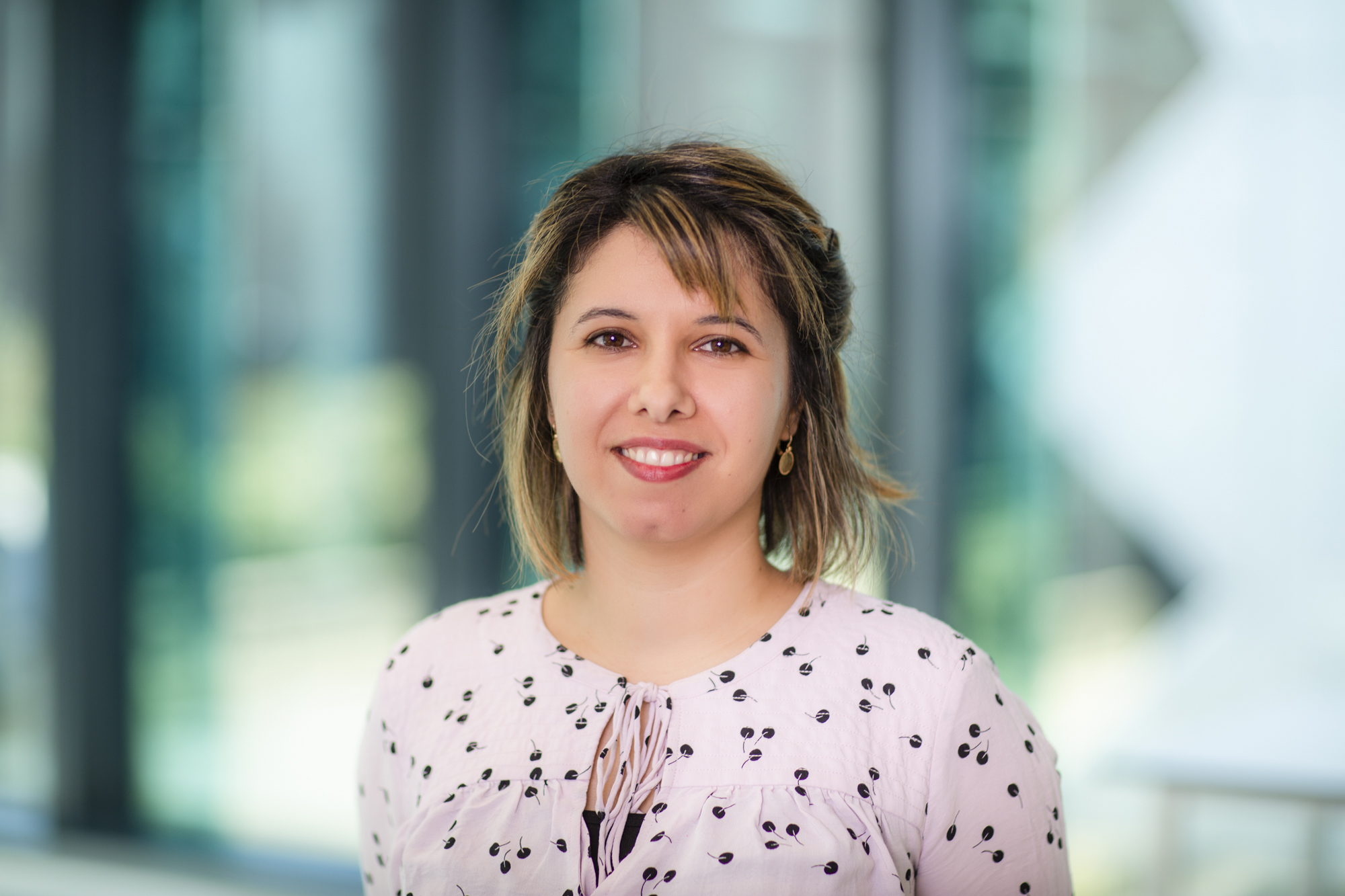
Dr Paola Vaz
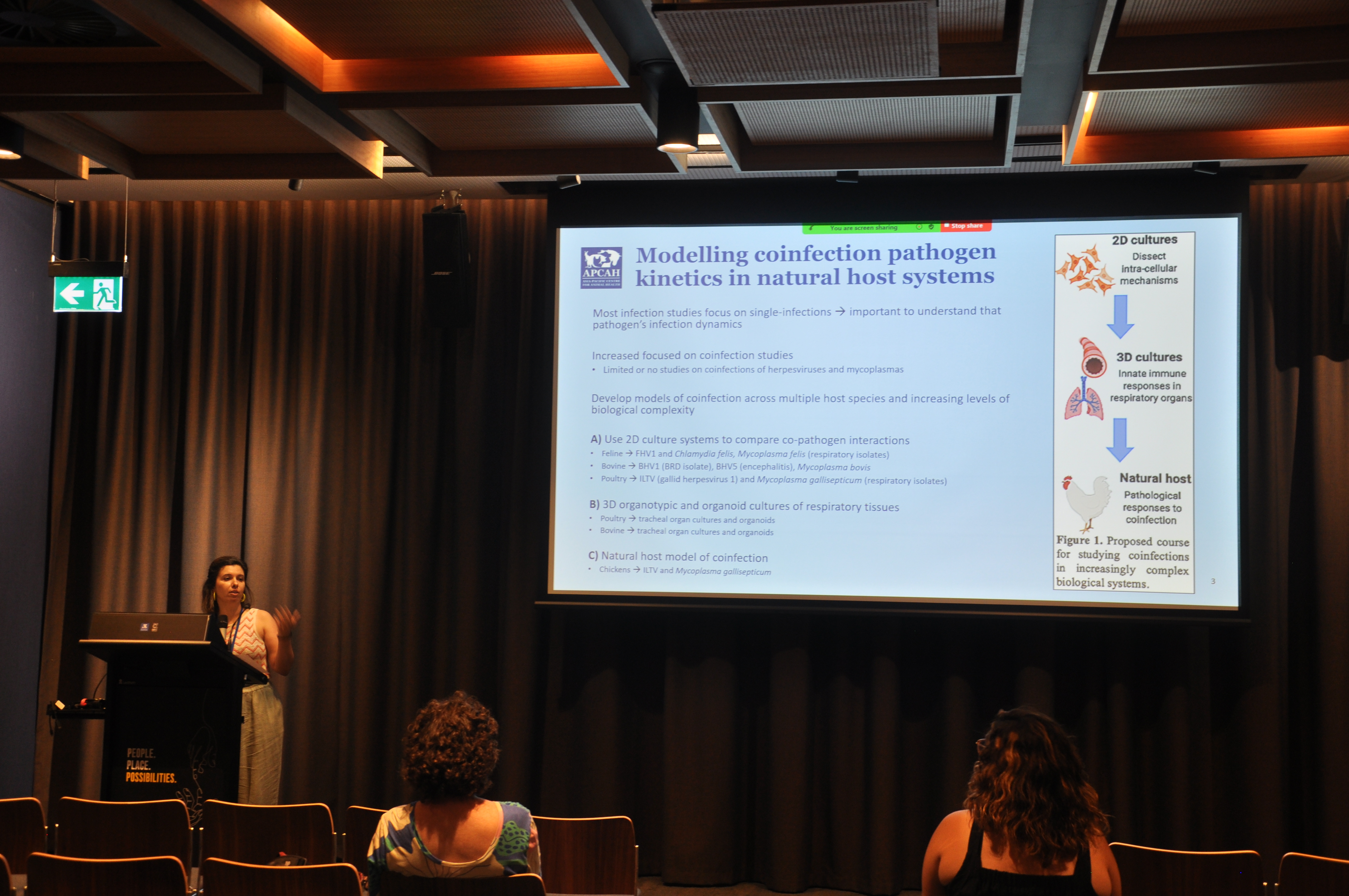
Dr Paola Vaz is a Research Fellow in the Melbourne Veterinary School, and an awardee of a Melbourne Postdoctoral Fellowship. My Phd was awarded in 2019 on the genomics, epidemiology and clinical significance of marsupial herpesviruses, and I am the current Co-chair of the Herpesvirales taxonomy sub-committee in the ICTV, but my track-record spans herpesvirus recombination and genomic diversity across diverse host species including, horses, cats, and chickens. As a CI on a Discovery Project, I am further investigating marsupial herpesvirus quasi-species populations and their influence in host jumps and adaptation to a new host species. I currently hold a Melbourne Postdoctoral Fellowship and my current research interest is investigating viral-bacterial (herpesviruses, mycoplasma and chlamydia) co-infection dynamics, with a focus on respiratory pathogens of animals, including poultry, cattle, and cats.
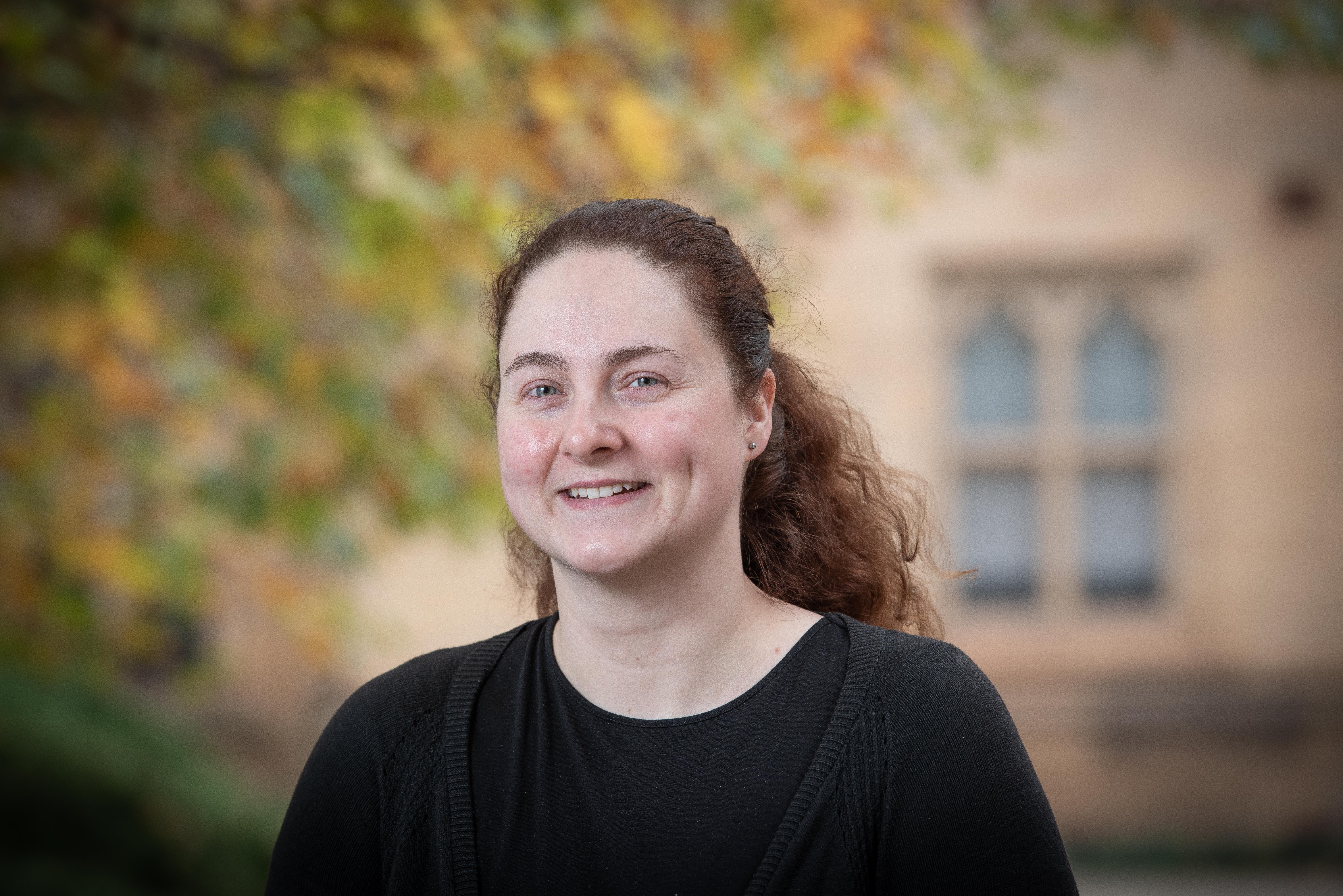
Dr Melissa Saligari
Melissa Saligari is an Education-focussed Associate Lecturer in the School of BioSciences, where she specialises in genetics and foundational biology education. Mel completed her doctoral degree in molecular genetics, where she utilised Drosophila melanogaster as a model to investigate how growth and development are regulated, before undertaking further graduate education in university teaching and educational design.
As an education-focussed academic, she is passionate about designing and delivering highly engaging student-focussed learning experiences that facilitate the development of well-rounded and self-directed graduates. A key focus of her role has been leveraging evidence-based pedagogy in combination with discipline-specific knowledge to drive assessment reform and curriculum innovation across undergraduate biology and genetics. Mel has been twice awarded the School of BioSciences’ Teaching Excellence Award (2021, 2023) and is the new Deputy Director of Teaching and Learning for the School of BioSciences.

Dr Oliver Eales
Oliver is currently a research fellow in Global Influenza Dynamics at the Melbourne School of Population and Global Health. His research focuses on the mathematical modelling of infectious disease dynamics and the design and use of pathogen surveillance systems for understanding disease transmission. In June 2024 he will be commencing a McKenzie postdoctoral fellowship in the School of Mathematics and Statistics. During his fellowship he will investigate the long-term dynamics of influenza A H3N2 and how the collection of serological data could enhance our understanding of these dynamics, and our ability to respond to them.

Dr Robert Ryan
I am an atmospheric chemistry researcher in the School of Geography, Earth and Atmospheric Sciences (SGEAS). My PhD was also here at the University of Melbourne, using solar radiation measurements to better understand air pollution in Australia. I finished my PhD in 2020 and moved to the UK to take up a postdoc in atmospheric modelling at University College London, before moving back to the University of Melbourne for a second postdoc at the end of 2022. I currently work in a large, multi-disciplinary team of researchers seeking to better understand how atmospheric aerosols influence clouds, sunlight and coral bleaching at the Great Barrier Reef.