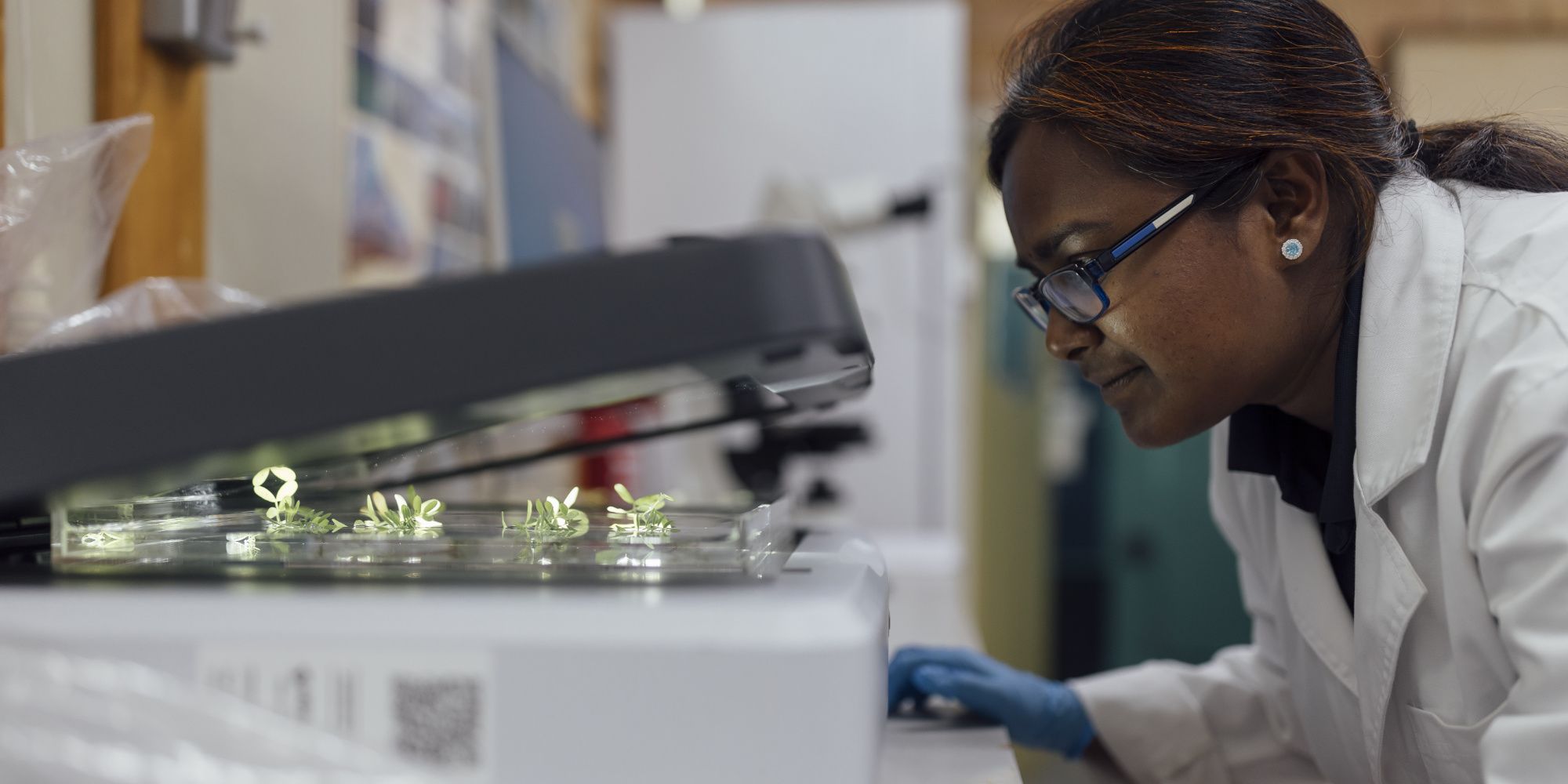
Our popular online masterclasses – held each year during the Science at Melbourne Festival – are a series of 60-minute lectures showcasing University of Melbourne scientists and their research.
Expect engaging presentations, interactive Q&A, live demonstrations and plenty of fun!
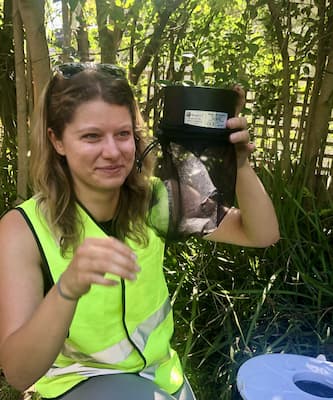
Little bites, large problems: managing mosquitos to control diseases
From locally widespread viruses like Ross River and Barmah Forest to global diseases such as dengue and malaria, discover how these insects affect communities in Australia and beyond. In this masterclass, Veronique Paris explores how mosquitoes spread disease and why they remain one of the world’s most challenging public health threats. Go behind the scenes of the lab to uncover the surprisingly hands-on methods scientists use, including feeding mosquitoes on their own arms to study their behaviour up close. Drawing on advanced genomics and field-based research, Veronique reveals innovative, sustainable approaches to mosquito control—and how science is helping curb the spread of disease.
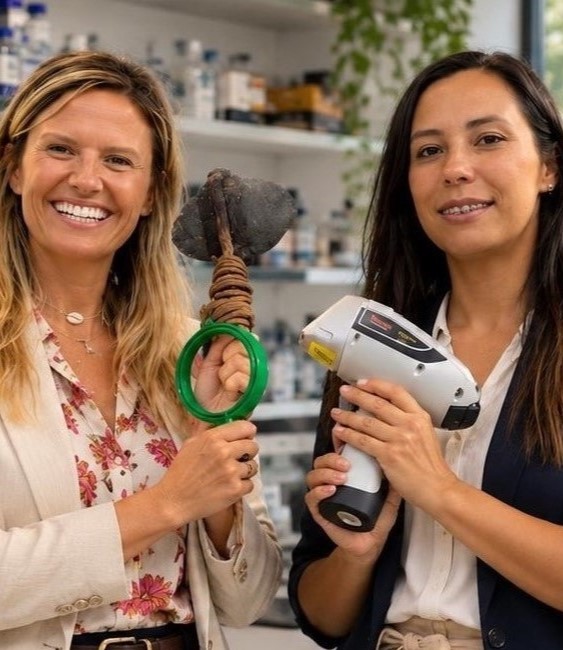
Advanced analysis of stone tools tells ancient stories
Museums, universities and other institutions have collected many cultural artefacts that belong to Indigenous communities, including stone tools – the research focus of archaeologist and geochemist Dr Michelle Richards and Microtrace Archaeology Director, Dr Elspeth Hayes. Streaming live from the Parkville campus, discover how the origins of these tools are often mysterious: how old are they and where do they come from, exactly? New, non-destructive analytical techniques can answer these questions, trace the technological developments of ancient cultures, and show how Indigenous peoples interacted with each other and with early settlers across Australia and the Pacific. This research reconnects communities with their precious cultural heritage.
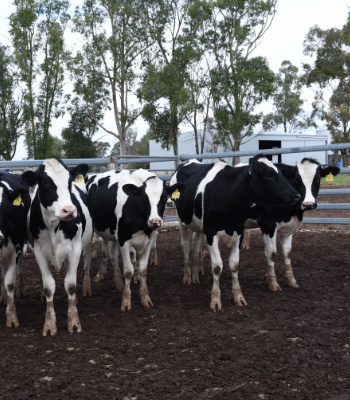
What do cow burps have to do with climate change?
Discover how University of Melbourne agricultural scientists are leading research to reduce methane emissions from livestock, which account for about 70 per cent of greenhouse gases in Australia's agricultural sector. Streaming live from our Dookie campus, learn how methane from cattle contributes significantly to Australia’s greenhouse gases—and the innovative strategies being developed to reduce it. From feed additives to smarter farming practices, explore how science is helping transform agriculture for a more sustainable future.